

24 hours of power outage… The fuel crisis pushes Cuba to accelerate renewable energy solutions

24 hours of power outage.. The fuel crisis pushes Cuba to accelerate renewable energy solutions
The energy sector in many developing countries is witnessing increasing pressure as a result of the intersection of economic crises with disruptions in fuel markets and the increasing effects ofclimate change. Renewable energy is emerging as one of the main paths that governments are taking to enhance energy security and reduce dependence on imported fuel. The importance of this transformation increases in economies that suffer from a fragile electricity system and high fuel costs, which prompts them to search for more stable local energy sources in the long term.
Cuba is a clear example of this trend, as the country faces a complex mix of challenges related to declining fuel supplies, aging electrical infrastructure, and the increasing impacts of extreme climate events. Under these circumstances, the government began accelerating solar and wind projects in an attempt to alleviate the electricity crisis and reshape the national energy mix.
Through these transformations, the article sheds light on broader dimensions that include the expansion of clean energy projects, the challenges associated with infrastructure and investments, in addition to the social impacts of the transformation in the energy sector within the country.
Renewable energy in response to the electricity crisis in Cuba
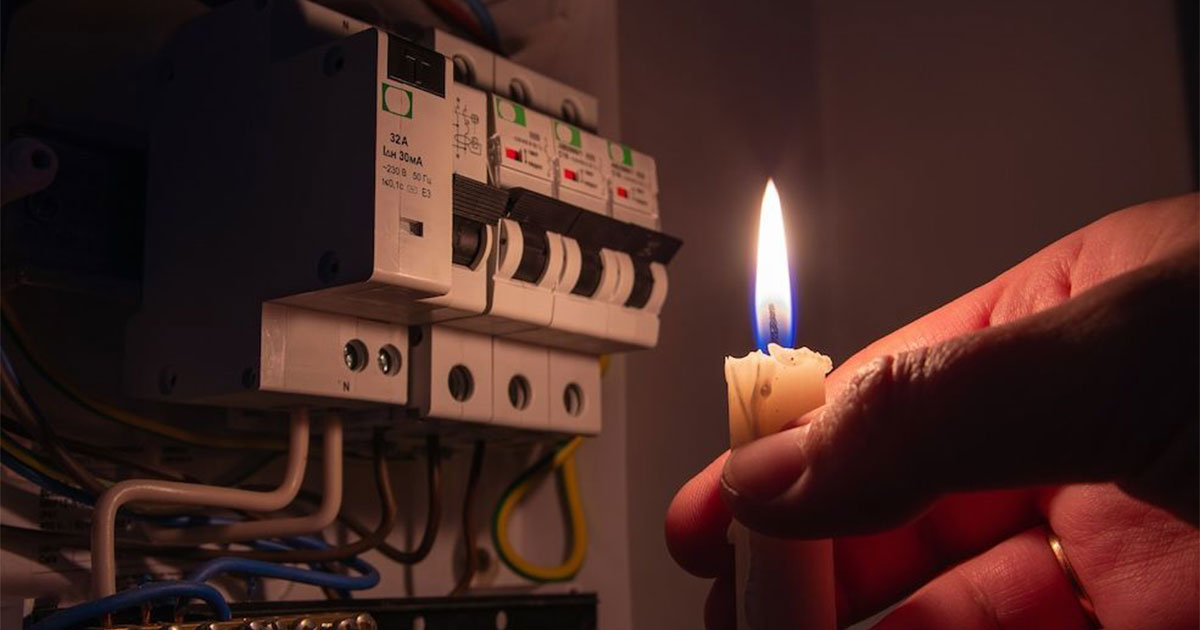
Cuba has witnessed in recent months one of the most severe energy crises in years, with power outages that in some areas extended for about 24 continuous hours. This is due to a group of intertwined factors, most notably the decline in oil supplies coming from Venezuela under the influence of American pressure and sanctions, in addition to recurring malfunctions in old power plants that form the backbone of the country’s generation system.
With the rise in the cost of fuel and the decline in the ability to import it, the Cuban government has begun to expand its reliance on renewable energy as one of the possible paths to relieve pressure on the electrical grid. The importance of this trend also increases given the fragility of the current energy system, as a large part of electricity production depends on old thermal facilities that suffer from frequent malfunctions and high operating costs.
Under these circumstances, the shift towards domestic energy sources that are less dependent on imports appears to be a step aimed at promoting some degree of stability in electrical supplies. This reality leads to consideration of how clean energy projects can expand within the country.

Expansion of solar and wind energy projects
In response to these challenges, the Cuban government has made plans to expand renewable energy projects over the coming years, with a focus on solar and wind energy. The National Strategy for Transformation in the Energy Sector indicates the goal of raising the share of renewable sources to about 26% of the total energy mix by 2035. In this context, the authorities announced plans to establish 92 solar power plants with a total capacity of about 2 gigawatts by 2028.
The year 2025 witnessed a noticeable acceleration in the implementation of these projects, as the production capacity of renewable energy increased by about 350% within one year, while the number of completed solar energy stations reached 35 stations with a capacity of approximately 750 megawatts. Wind energy projects are also being developed, including a wind farm in the Herradura region that is expected to produce about 33 megawatts through 22 turbines.
An important part of these projects comes with Chinese support and financing, in an indication of the role of international partnerships in supporting the transition towards clean energy in economies facing financial constraints. Reports indicate that some solar energy projects have been financed through resource exchange arrangements, whereby Chinese companies receive supplies of Cuban nickel – of which the country has one of the largest reserves in the world – in exchange for the supply of solar panels and related equipment, in a model that reflects the increasing interconnectedness between strategic mineral chains and clean energy technologies, but the expansion of production capacity in turn raises questions about the ability of the current infrastructure to accommodate this transformation.
The trap of dilapidated infrastructure
Despite significant progress in renewable energy projects, the complete transformation of Cuba’s energy system faces major challenges related to the infrastructure and investments required. The country’s electricity transmission network suffers from obvious obsolescence, which leads to the loss of about 16% of the electricity produced during the transmission process, according to estimates by energy experts. This indicates that expansion of generation alone will not be sufficient without a comprehensive modernization of the electrical grid.

In addition, implementing the National Energy Transformation Strategy requires investments ranging between $8 billion and $10 billion over the next decade, a large number for an economy facing severe financial pressures. The problem of storing electricity also emerges as one of the main technical challenges, as solar energy depends on daylight hours, while electricity demand peaks in the evening, which requires additional investments in battery technologies and storage systems. These technical and financial challenges would open a broader discussion about the social dimensions of this transformation within the country.
Clean energy transition and social justice
In addition to the economic challenges, the social dimension emerges as a factor influencing the spread of renewable energy within Cuba. As power outages continue, some residents have begun installing small solar panels to secure their basic electricity needs. However, these solutions remain limited in spread due to their high cost compared to local income levels.
Local estimates indicate that the price of one solar panel may reach about $130, while the average monthly income in some areas is only about 10 pounds. As a result, the ability to benefit from solar energy tends to be associated with the most financially capable classes, such as small business owners or families receiving remittances from abroad. This reality reflects an additional challenge, which is the need to ensure that this transformation reaches various social groups without deepening the economic gap.

In conclusion, Cuba’s experience reveals that the transition towards renewable energy may begin as a response to an acute energy crisis, but it gradually turns into a strategic path for rebuilding the national energy system. With the increasing volatility of fuel markets and the effects of climate change, diversification of energy sources has become an essential element in enhancing energy security and economic stability in many countries.
For its part,The Earth Guards Foundation believes that Cuba’s experience reflects the importance of integrating the transformation in the energy sector with comprehensive development policies that take into account modernizing infrastructure and ensuring equitable access to energy. The expansion of clean energy sources contributes to supporting Goal 7 of the Sustainable Development Goals (SDGs) related to clean energy and providing it at affordable prices. It is also linked to strengthening infrastructure and industrial innovation within Goal 9, in addition to supporting climate action efforts related to Goal 13.


