

Enhancing energy security: How does China face the fluctuations of global energy markets?
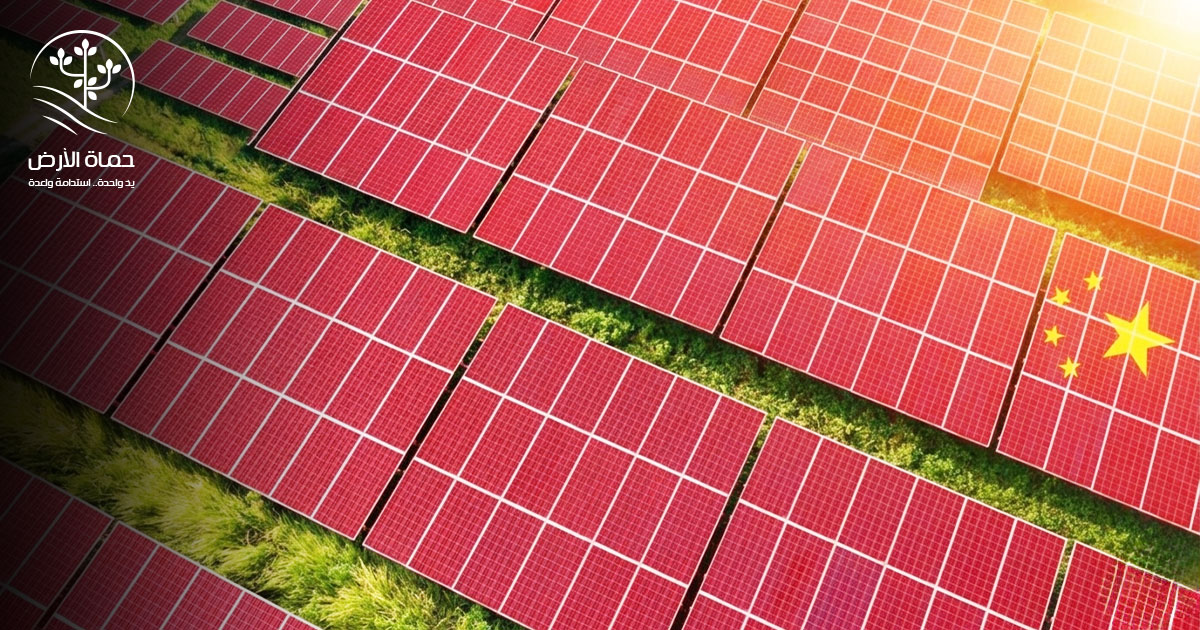

Enhancing energy security: How does China face the fluctuations of global energy markets?
Global energy markets are witnessing a state of increasing volatility in light of escalatinggeopolitical tensions, which has been directly reflected in the stability of supplies and the cost of energy in many economies. In this context, the concept of energy security has emerged as one of the main axes in economic policies, especially with the increasing reliance on cross-border supply chains affected by regional crises.
Enhancing energy security is closely linked to the goals of sustainable development, as it contributes to supporting economic stability and ensuring continuity of production, in addition to its role in accelerating the transition towards less emitting energy sources. As pressure continues on global markets, major countries are moving to re-evaluate their energy systems, which is clearly evident in China’s recent moves.
Energy security between economic stability and risk reduction
Enhancing energy security represents a strategic priority in Chinese economic policies, especially in light of the fluctuations resulting from tensions in the Middle East. It reflects the trend towards accelerating the development of a more diversified energy system in an effort to reduce dependence on external sources that may be affected by disturbances.
It is estimated that China’s imports through the Strait of Hormuz represent about 5% of its total consumption, which gives it a degree of flexibility compared to some other economies. The diversity of energy sources also contributes to reducing the impact of price fluctuations, thus supporting the stability of industrial and production activities. In this context, it is clear that energy security is no longer linked only to securing supplies, but rather extends to managing economic risks associated with market fluctuations.

The energy mix is a tool to ensure stability and support environmental transformation
China’s trend towards enhancing energy security reflects the adoption of a balanced model that combines traditional energy sources with renewable energy sources. Coal makes up more than half of the country’s energy mix, making it an essential element in supporting supply stability, especially during periods of volatility.
Meanwhile, China continues to expand in solar and wind power, along with investment in hydroelectric and nuclear power. It has also begun implementing huge projects, including the construction of hydroelectric dams and solar energy projects in high-altitude areas, which reflects a trend towards diversifying energy sources.
This combination also reflects a progressive understanding of the energy transition file, where supply stability in the short term is combined with support for the transition towards a low-carbon economy in the long term.
Energy at the heart of geopolitical transformations
Energy security policiesare directly linked to geopolitical transformations, especially with the continuing tensions in major energy production regions, which is reflected in the stability of global supplies and their paths. These circumstances push major countries to reduce reliance on sources exposed to risks, thus enhancing their ability to make more independent economic decisions in the face of fluctuations.
In this context, the importance of diversifying energy sources and expanding international partnerships emerges as one of the risk management tools, as countries seek to build supply networks that are more flexible and less affected by regional crises. Some economies are also moving to enhance their storage capabilities and develop energy infrastructure, to support the continuity of supplies in times of turmoil.
The Chinese move also reflects a growing awareness of the importance of building an energy system capable of adapting to transformations in the international environment, especially in light of the relative dependence on sensitive sea lanes such as the Strait of Hormuz, despite its limited percentage in total consumption. This trend also contributes to reshaping the global energy map, as countries tend to strengthen their internal capabilities and expand their investments in alternative sources, thus reducing the impact of geopolitical tensions on their economies.
This transformation also strengthens the link between energy and the balance of economic power, as the ability to secure and diversify supplies has become an influential factor in determining the position of countries within the international system. This indicates that energy is no longer just an economic resource, but has become a strategic element in formulating foreign policies and international balances.
This trend paves the way for a new phase in which energy becomes a pivotal element in the balance of economic and political power, reflecting a broader shift in the nature of the relationship between the global economy and strategic resources.
Sustainability framework for reshaping energy policies
Enhancing energy security represents one of the basic pillars of achieving Sustainable Development Goals (SDGs), as it contributes to supporting climate action through the expansion of clean energy sources, in addition to enhancing economic growth by reducing supply fluctuations. This trend is also linked to the seventh goal on clean energy, as investment in renewable energy sources reflects a step towards reducing dependence on traditional fuels.
At the same time, there is the challenge of striking a balance between continued reliance on coal and ensuring long-term emissions reductions. In this context, it is clear that sustainability has become part of strategic decisions related to energy, reflecting a shift in economic policy priorities.

In conclusion, Chinese moves towards strengtheningenergy security – in order to face the fluctuations in global energy markets – reflect a shift in how to deal with the challenges associated with global supplies, as the economic, geopolitical and environmental dimensions overlap within an integrated framework. This trend indicates the importance of building more flexible energy systems capable of adapting to crises.
In this context,The Earth Guards Foundation believes that strengthening the integration between energy security and sustainability represents a necessary path to achieving an effective balance between economic growth and environmental protection, in a way that supports the achievement of Sustainable Development Goals (SDGs) in the long term. As transformations in the global energy landscape continue, this model tends to consolidate the role of integrated policies in supporting market stability and promoting a more sustainable future.


