

Concerns about radiation leakage and its effects on the environment and human health
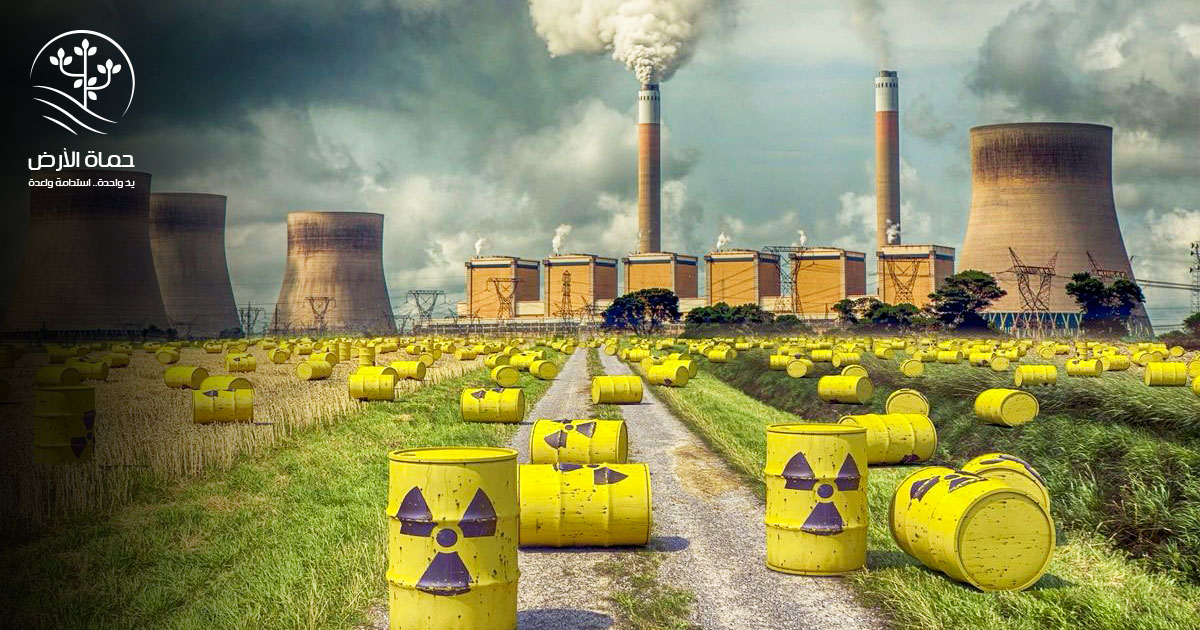

Concerns of radiation leakage and its effects on the environment and human health
Global fears are increasing about the possibility of radioactive leakage as tensions escalate in some regions of the world. It has recently been warned of the danger of targetingnuclear plants, as such operations carry irreparable consequences, which reflects the extent of international concern about the transformation of conflicts into complex environmental crises.
In this context, talk about nuclear risks now includes the repercussions of conflicts and wars if they come close to facilities containing radioactive materials. As these risks increase, the question arises about the extent of the international community’s ability to protect these facilities in light of the escalating conflicts.
Why does targeting nuclear facilities pose a great danger?
The danger of nuclear facilities is related to the nature of the materials they contain, as these facilities rely on precise systems to maintain the stability of nuclear reactions and prevent the leakage of radiation into the surrounding environment. Any defect in these systems, whether as a result of direct targeting or indirect damage, may lead to the release of radioactive materials that can spread in the air and water, causing significant environmental damage that hinders the achievement of the environmental axis of sustainable development.
The danger is not limited to direct strikes only, as military operations occurring in the vicinity of these facilities may affect the supporting infrastructure, such as electricity or cooling systems, which may lead to disturbances in the operation of the reactor. In such cases, the possibility of radioactive leakage exists even without the facility being completely destroyed, which increases the sensitivity of these sites in times of conflict.

Radioactive leakage is an indirect danger of war
Recent developments reflect a shift in the nature of risks associated with war, extending to include long-term environmental threats. If a nuclear facility is damaged, this may lead to radioactive leakage, the effects of which may extend to large areas beyond the borders of the country in which the facility is located, highlighting the challenges facing achieving environmental sustainability in light of conflicts and their effects extending across borders.
This means that modern conflicts may carry with them cross-border risks, as neighboring countries could be affected by the repercussions of a nuclear accident to which they were not a party. Moreover, these risks do not stop at the limits of time, as the impact of radioactive contamination can continue for decades, which poses additional challenges to recovery and reconstruction efforts after the end of conflicts.
Potential repercussions on the environment and health
If a radioactive leak occurs, the effects may be widespread, as water sources and soil can be contaminated, which negatively affects agriculture and food production. Radioactive materials may also travel through the air, increasing the possibility of residents being exposed to dangerous levels of radiation.
Potential health risks include increased rates of serious diseases, such as cancer, in addition to long-term effects on future generations. Environmental pollution may also lead to economic turmoil, especially in sectors related to agriculture and fishing, which exacerbates the repercussions of humanitarian crises in conflict areas, stands in the way of achieving good health, well-being and sustainability of natural resources, and affects the quality of life for current and future generations.

Calls for calm and avoid escalation around nuclear facilities
In light of these risks, international calls are increasing to avoid any operations targeting nuclear facilities or located near them, while emphasizing the importance of containing escalation and directing efforts towards political and diplomatic solutions as the most effective way to avoid a potential disaster.
These calls reflect a growing awareness of the danger of harming the nuclear infrastructure, as these nuclear facilities have become sensitive elements whose targeting may lead to repercussions that go beyond the borders of the conflict itself. In this context, the role of international organizations in strengthening the frameworks and rules that contribute to protecting these facilities during wars, in a way that reduces potential environmental and humanitarian risks, is also highlighted.
In this regard, these developments highlight the close relationship between wars and environmental sustainability, astheradiation leakagecan undermine efforts to protect the environment and achieve sustainable development. Pollution resulting from nuclear accidents extends its impact into the future and does not stop at the present, threatening natural resources and the health of future generations, which necessarily negatively affects efforts to achieve sustainable development.
In this context, it becomes necessary to strengthen international efforts to protect nuclear facilities and ensure that they do not become weak points in times of conflict.The Earth Guards Foundation believes that achieving sustainability requires integrating considerations of protecting the environment and vital infrastructure into security policies, ensuring the reduction of risks associated with wars and the preservation of environmental balance in the long term.


