

Egypt is moving steadily towards the localization of the pharmaceutical industry

Egypt is moving steadily towards the localization of the pharmaceutical industry
Within the framework of the state’s strategy to enhance pharmaceutical security, the Egyptian government has intensified its efforts in the field of localizing the pharmaceutical industry, as it is one of the pillars of societal and economic stability, and one of the main keys to building a system more capable of protecting people in times of crises and global fluctuations.
This vision is based on a dual goal: securing local needs for medicines and vital preparations, and opening new export horizons that contribute to supporting the national economy, within the framework of an integrated vision based on supporting local manufacturing, providing a stimulating regulatory and legislative structure, in addition to encouraging international partnerships and technology transfer, which has made Egypt classified today among the most prominent countries seeking to be a regional center for the pharmaceutical industry in the Middle East and Africa.
From this standpoint,Earth Guardsin this article sheds light on the Egyptian efforts to localize the pharmaceutical industry, reviews the paths that the country has followed to enhance self-sufficiency, and discusses how Egypt seeks to localize the pharmaceutical industry, and how it can transform into a regional center for drug production in light of the increasing global challenges in the health sector; So keep reading.
A strong organizational structure that leads the localization process
The localization of the pharmaceutical industry in Egypt is based on the adoption of many policies and projects that support this trend. Therefore, recent years have witnessed the establishment of many projects, most notably the establishment of “Egyptian Medicines Authority” in 2019; To be the body responsible for regulating and monitoring the quality and effectiveness of medical preparations, supplies and raw materials, the authority has licensed 31 new factories so far, in addition to localizing 180 antibiotic preparations in various pharmaceutical concentrations and forms, in a step that reflects seriousness in reducing the pharmaceutical gap.
These measures are part of building an integrated pharmaceutical production base that enhances the country’s ability to produce medicines locally and reduce dependence on imports, in preparation for expansion in export markets. According to what was published byCabinet Media Center, the World Health Organization expressed its pride in Egypt’s reaching the third level of maturity in regulating medicines and vaccines. This brings it to the forefront of the African continent, which was also confirmed by the African Centers for Disease Control, considering that the pharmaceutical industry in Egypt represents an integrated model in the local production of medicine.
Egyptian Medicine City
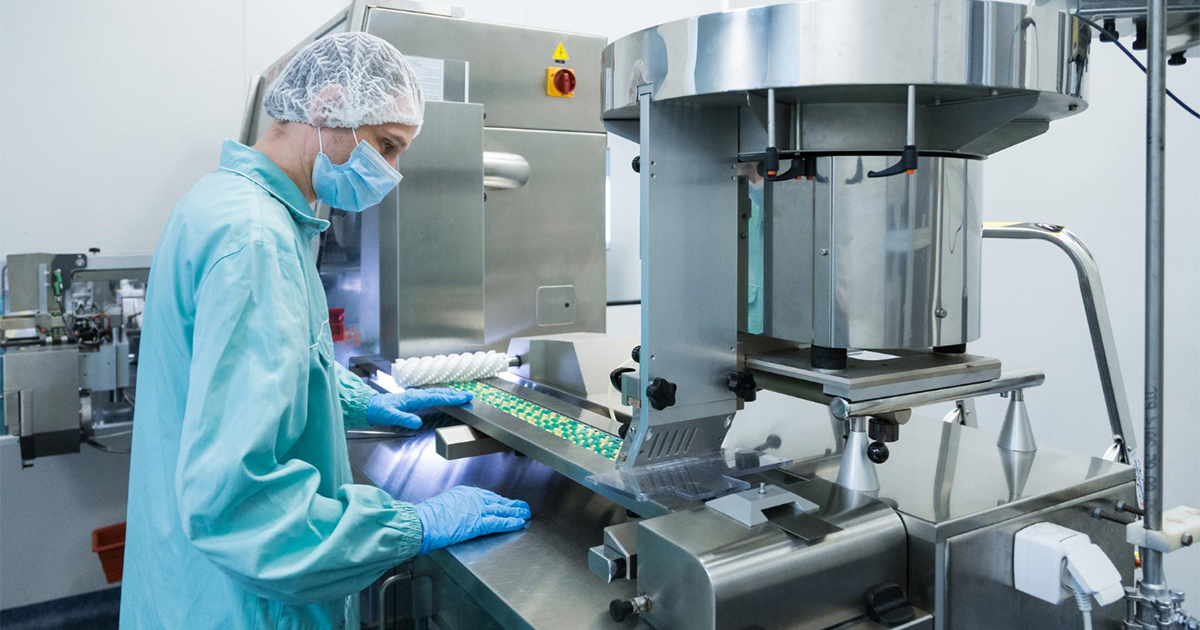
The Egyptian Pharmaceutical City “Geptopharma”, which opened in 2021, represents an actual model of the state’s ability to achieveLocalization of the pharmaceutical industry; It is the largest pharmaceutical city in the Middle East in terms of capabilities and technology. The Egyptian Pharmaceutical City currently produces more than 100 million pharmaceutical packages annually, and aims to reach 200 million packages this year 2025. It also contributes to bridging the gap between local consumption and production, and works to manufacture medicines that were heavily imported, such as oncology drugs and biological preparations.
Its role in export is enhanced by the fact that it has begun shipping its products abroad with a value of about $3 million, which is an encouraging indicator of its ability to compete globally, and this contributes to achieving Goal (3) of the Sustainable Development Goals (SDGs), which calls for achieving comprehensive health coverage, including access to basic, safe and effective medicines at an affordable cost.
Partnerships and investments in the pharmaceutical industry
In order to support the pharmaceutical industry, the country signed several agreements with major international pharmaceutical companies, such as Abbott and Sanofi; To localize the pharmaceutical industry and transfer technology to the Egyptian interior, investments were also strengthened by major companies such as “EPICO”, whose exports represent 25% of Egypt’s total pharmaceutical exports, and through its new “EPICO 3” factory, it seeks to produce biosimilars with investments exceeding $100 million.
These partnerships are consistent with the state’s approach to building a pharmaceutical industry based on knowledge and technology, which is also evident in the support of the Vaxera complex for the production of veterinary and human vaccines with a capacity of 700 million doses annually. Which provides a huge manufacturing base capable of export expansion.
A prominent example is the AstraZeneca Egypt factory, which has a manufacturing capacity of 900 million tablets annually through four production lines, with new investments worth $50 million. Which enhances the stability of international partnerships in the Egyptian market.
Development of local production and increase in exports
Based on these partnerships and investments, production indicators witnessed a remarkable development, as the number of pharmaceutical and raw materials factories in Egypt reached 179 factories, and the self-sufficiency rate in medicines reached about 91.3%, of which 93% were produced by private sector companies, and this is practical evidence of the success of the state’s efforts in empowering the local sector and achieving pharmaceutical security.
It is worth noting that the state provides a strategic stock of raw materials sufficient for up to three months, with great success in overcoming the crisis of drug shortages by a rate ranging between 97 and 98%. Which highlights the feasibility of a rapid and proactive intervention system in managing the pharmaceutical market.
As for exports, Egypt’s pharmaceutical exports increased by 65.6% over five years, reaching $447.1 million in 2024, compared to $270 million in 2019. The export map also expanded to include 147 countries, led by Saudi Arabia, Germany and Spain, which enhances the opportunities for future growth of this strategic sector.
Fitch Solutions forecasts indicate that Egypt’s pharmaceutical exports will continue to grow by 39% by 2029 to reach $466.5 million, which reinforces the strategic direction towards exporting surplus production.
Localization of active substances and vaccines
In parallel with finished preparations, the state paid special attention to the localization of the manufacture of active and inactive materials; 129 active ingredients were produced locally, costing the state about $633.7 million annually in imports. Negotiations have also begun to localize 30 inactive substances, representing about 60% of Egypt’s imports of these substances.
The sector also witnessed success in producing the first batch of the insulin drug “Glargine” locally in December 2024, and localizing most of the Corona treatment preparations. Which contributed to reducing the annual import bill by about $182 million. These successes are a living example of the country’s ability to localize biomanufacturing, which paves the way for further progress in this field.
In light of the above,Guardians of the Earth believes that the achievements achieved over the past few years confirm that Egypt is moving steadily towards the localization of the pharmaceutical industry, not only to achieve self-sufficiency, but to lead this industry regionally, in a way that serves the citizen, enhances the capacity of the national economy, and consolidates the concept of sustainable health development.


