

High energy prices are pushing Europeans towards solar energy to reduce their electricity bills
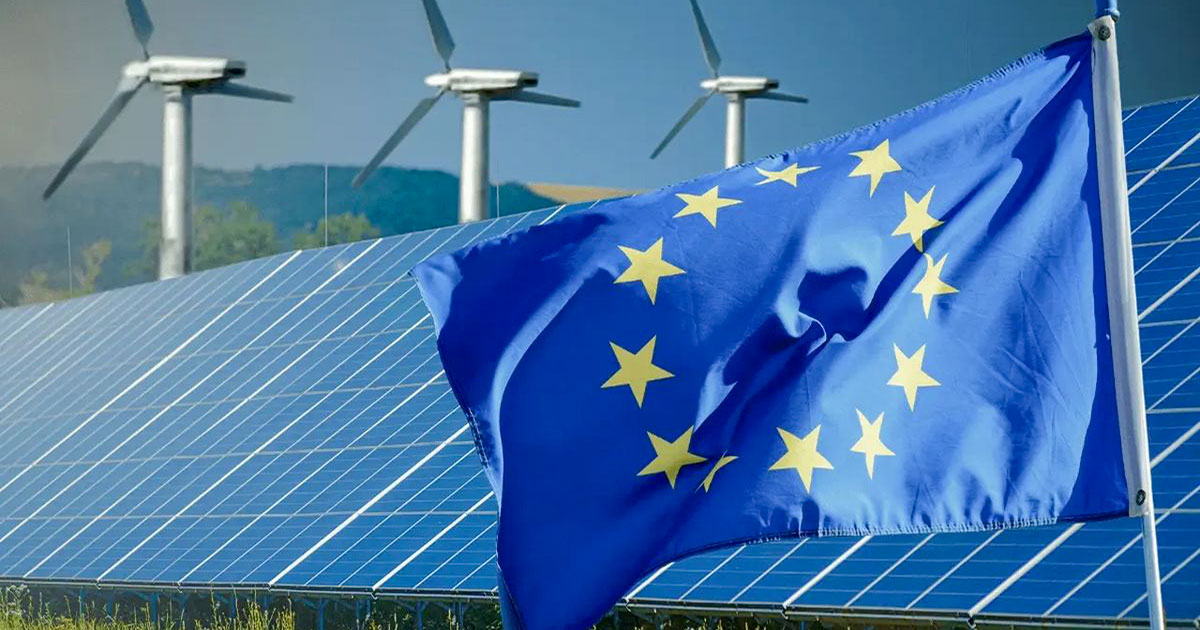

High energy prices push Europeans towards solar energy to reduce electricity bills
Europe is witnessing a noticeable escalation in the energy crisis in light of geopolitical tensions and rising oil and gas prices, which has been directly reflected in the electricity costs borne by families and companies. With increasing economic pressures, the need to search for more stable and less expensive alternatives has become urgent, especially in light of the fluctuations in global energy markets.
In this context, these developments intersect withSustainable Development Goals (SDGs), especially with regard to clean energy (Goal 7) and climate action (Goal 13), as the shift towards renewable energy sources enhances the sustainability of energy systems and reduces dependence on fossil fuels.
In this sense, this article reviews the impact of the energy crisis on consumers in Europe, and the role ofsolar energy as a rising alternative, in addition to the transformations taking place in the energy market.
The energy crisis puts pressure on European families and raises costs
Recent geopolitical developments have causedoil and gas pricesto rise sharply, increasing electricity costs in Europe. This has been reflected in household budgets, which face higher energy bills, in addition to the pressures on companies as a result of higher operating costs.
This situation reflects the extent of European dependence on energy imports, especially oil and gas, which makes the markets vulnerable to external fluctuations. This rise in prices also accelerated the search for alternative solutions that reduce exposure to these shocks.

Solar energy is an alternative witnessing an increase in demand
In light of these challenges, European families are turning tosolar energy as one of the most prominent solutions to reduce electricity bills and promote energy independence. These systems provide an alternative source of energy that can be relied upon in the long term, which makes them an attractive option in light of high prices, and then the seventh goal of the Sustainable Development Goals (SDGs) is achieved: clean and affordable energy.
The demand for home solar energy systems has witnessed a noticeable increase since the beginning of the crisis, with some companies recording a doubling of demand, while the sales of other companies have increased significantly in recent months. This trend reflects consumers’ desire to reduce dependence on traditional energy sources and reduce the impact of price fluctuations on their budgets.
Behavioral shift towards energy independence
The shift to solar energy is not only an economic response, but also reflects a change in consumer behavior, who are seeking greater independence. This includes relying on self-energy sources and reducing connectivity to traditional energy networks. This transformation comes in light of a growing awareness of the importance of diversifying energy sources, especially in times of crises, as this contributes to enhancing stability and reducing the risks associated with relying on a single source.
Integrated systems that support solar energy efficiency
The solar energy market is witnessing remarkable development with the increasing demand for integrated systems, which are not limited to solar panels only, as they also include energy storage batteries and electric vehicle charging systems. These solutions allow consumers to store energy and use it at later times, which enhances the efficiency of use. This development also contributes to improving the user experience, and makes solar energy more flexible and able to meet daily needs, which supports its wider spread.

Solar energy and enhancing energy resilience in Europe
The expansion of the use of solar energy contributes to enhancing the flexibility of energy systems in Europe, as it reduces dependence on fossil fuel imports and supports achieving a greater degree of energy independence. This also enhances the ability of countries to confront crises, by providing alternative energy sources.
This trend reflects a shift in energy policies, where the focus is no longer limited to saving energy, but also includes achieving sustainability and enhancing energy security in the long term.

Current developments also indicate that the shift towards solar energy may extend into a structural change in the energy market rather than just a temporary response to the crisis. A number of experts believe that the current crises contribute to accelerating this transformation, which was already underway, but is now taking on a faster pace.
This also reflects a re-evaluation of the value of renewable energy sources, which have become an economic option in addition to being an environmental option, which enhances the chances of this trend continuing in the coming years.
Ultimately, the energy crisis in Europe reflects a shift in consumer behavior and energy policies, with solar energy becoming a practical option for reducing costs and promoting energy independence. This trend highlights the importance of accelerating the transition towards renewable energy sources, in a way that supports achieving a balance between economic stability and environmental sustainability.
In this context,The Earth Guards Foundation believes that enhancing reliance on clean energy represents an essential step towards building more flexible and sustainable energy systems, which contributes to facing future challenges and achieving Sustainable Development Goals (SDGs).


