

Social Solidarity Ministry redraws economic empowerment map through development initiatives and partnerships
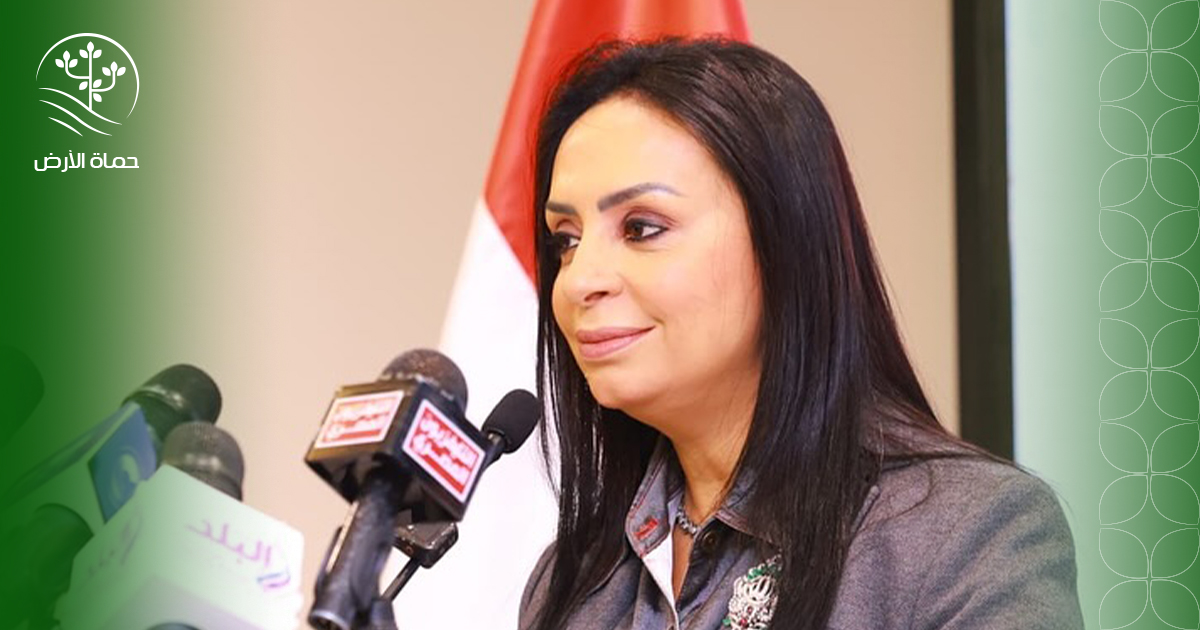

Through development initiatives and partnerships… social solidarity redraws the map of economic empowerment
Egypt continues its efforts in the field of economic empowerment, and supports its path towards achieving theSustainable Development Goals (SDGs), especially those related to reducing poverty, empowering women, promoting decent work, and expanding opportunities for comprehensive economic growth.
Through multiple programs based on social justice and improving the quality of life, the Ministry, led by Dr. Maya Morsi, works to develop human capital, provide social safety nets and achieve economic empowerment, through innovative financial tools that transform support into a real investment in people.
Within the framework of this integrated approach, a series of qualitative activities and national efforts have emerged in recent daysWhich combines economic empowerment, support for heritage crafts, and honoring institutional competencies, which we highlight in the following lines: So keep reading.
Efforts to support local development
This week, Dr. Maya Morsi, “Minister of Social Solidarity,” opened the Al Khair Island exhibition, which presents a living model of how to employ the social economy to support local development.
This is based on the fact that the Al Khair Island Exhibition opens its doors to 60 male and female exhibitors working on handicrafts that represent part of the cultural memory and Egyptian heritage, starting from inlaid accessories, macramé and leather, all the way to glass and copper products of artistic value.
This initiative contributes to promoting Sustainable Development Goals (SDGs), especially those related to supportingSmall projects and providing decent job opportunities. The Ministry also dedicates through this model the principle of economic and social empowerment. In an effort to build a protection system based on comprehensive economic empowerment, not short-term aid.

Egyptian Olympic champions
In a context that reflects the Ministry’s commitment to the goals of equality and non-discrimination, the Minister’s congratulations to the Egyptian Special Olympics champions after they won the “3×3 Unified Basketball World Cup” championship, thus highlighting the developmental role of sport in empowering women and girls.
This sporting achievement also supports efforts to achieve the sustainable development goal related to good health and well-being, and also highlights the pivotal role of families in building self-confidence in girls, so that they become shining models of the ability toCompeting globally, in harmony with the vision of the national agenda “Egypt Vision 2030”, the axes of which the Ministry of Social Solidarity is working to achieve under the leadership of Dr. Maya Morsi.
Strengthening governance and raising work efficiencyInstitutional
In the context of raising the efficiency of institutions, Dr. Maya Morsi works to support institutional development; Therefore, it honored the employees of the vacant estates, real estate, and legal affairs sectors at Nasser Social Bank, in appreciation of their distinguished efforts that resulted in important financial gains.
This well-deserved honor comes after the success of these two sectors in selling real estate assets transferred to the bank for a value exceeding half a billion pounds, as well as removing encroachments on other properties representing a value exceeding one billion pounds. This supports the sustainability of the bank’s resources and enhances its role in financingSocial.
This honor also comes within a monthly evaluation mechanism that the Ministry intends to circulate, with the aim of establishing standards of governance and transparency, and raising the efficiency of institutional performance, which are principles that are consistent with the Sustainable Development Goals (SDGs) related to building strong and effective institutions, such as Goal No. (16) Peace, Justice, and Strong Institutions.

From an analytical perspective,The Earth Guards Foundation believes that the recent efforts of Dr. Maya Morsi – from supporting handicrafts, economic empowerment, and supporting girls in the field of sports – reflect a gradual model towards building a solidarity system more capable of facing economic and social challenges.
Therefore,The Foundation recommends the necessity of doubling investments in social financing tools and supporting women.and girls, and integrating them into economic empowerment efforts and efforts to achieve Sustainable Development Goals (SDGs); In order to build a more sustainable life for current and future generations.


