

Egypt faces rumors of the Hanta virus.. How does epidemiological surveillance promote good health?
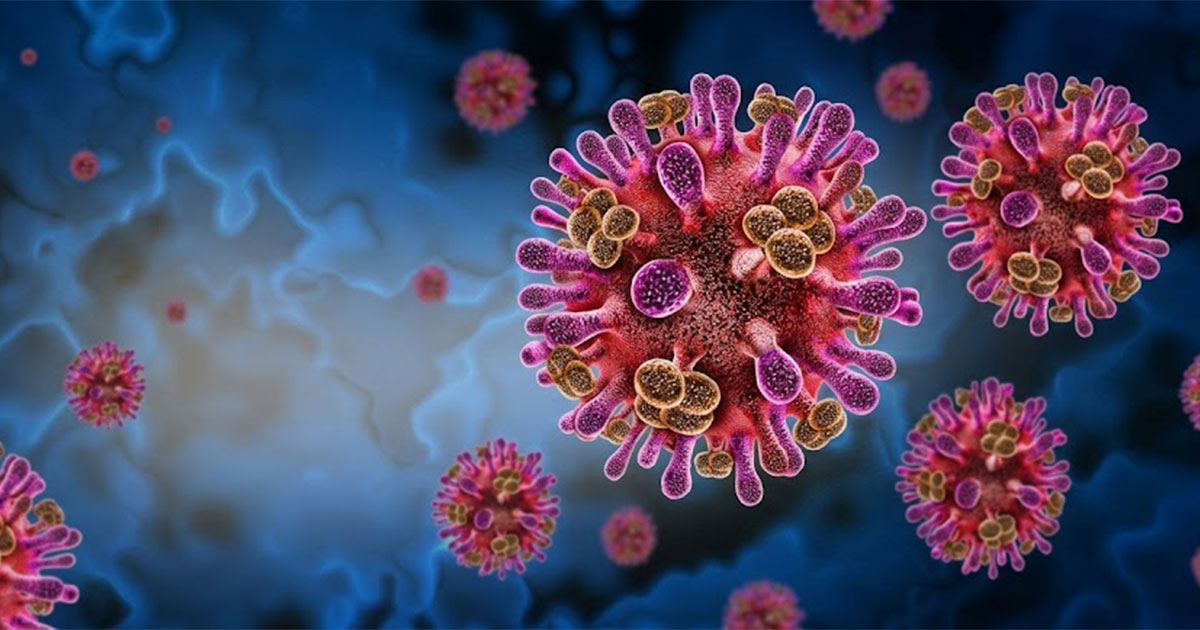

Egypt faces rumors of the Hantavirus.. How does epidemiological surveillance promote good health?
While the world was busy in the past hours tracking news of the Hanta virus outbreak on a limited global scale, Egypt presented a practical model in proactive health crisis management, in line with the third goal of the 17 Sustainable Development Goals (SDGs): good health and well-being.
This is because an accident occurred on board a cruise ship in the Atlantic Ocean, causing the Egyptian health system to move according to an approach based on rapid response and institutional coordination, which reflects the health system’s readiness to deal with cross-border threats, especially in light of a world in which epidemics and health crises are moving at a faster pace than ever before.
The preventive measures came in accordance with a flexible health response capable of early containment, protecting citizens, and maintaining the stability of travel and tourism without violating public safety standards.
The truth about the Hanta virus and the situation in Egypt
Hanta virus is a relatively rare virus, but it raises global health concern. Because of its danger and its ability to cause severe complications that may lead to death! This virus is transmitted to humans – mostly – through contact with infected rodents or their droppings, urine, and saliva.
The nature of the disease varies according to the geographical region. In the Americas, it causes an acute respiratory syndrome that affects the heart and lungs, while in Europe and Asia it is associated with hemorrhagic fever that mainly affects the kidneys and blood vessels.
Although there is no antiviral treatment or approved vaccine yet, early medical intervention and supportive care represent the most important factor in improving chances of survival and reducing complications.
HenceThe World Health Organization confirms that prevention depends primarily on reducing contact with rodents, maintaining general hygiene, and following safe procedures when cleaning closed or polluted places.
The World Health Organization also stresses the importance of early detection of cases, strengthening health surveillance systems, and applying infection control procedures within medical facilities. To limit any possible spread of the disease.

Egyptian Health Sustainable Vision
Therefore, the Ministry of Health and Population followed with great interest the issue related to the Hanta virus, and what was raised about recording limited cases linked to a cruise ship outside Egypt. This is what made the Ministry of Health confirm – according to the results of epidemiological surveillance – in an official statement that the health situation inside the Arab Republic of Egypt is completely stable and safe, and that there are no confirmed cases of infection with the virus inside the country.
In the same context, the Ministry of Health and Population confirmed that the Egyptian epidemiological surveillance system operates with high efficiency around the clock, at all ports of entry, ports and airports, and in permanent coordination with the World Health Organization and the relevant international authorities. In order to ensure rapid and effective dealing with any developments in accordance with the latest scientific and preventive standards.
Concerning this, Dr. Hossam Abdel Ghaffar, the official spokesman for the Ministry of Health and Population, explained that the virus is transmitted mainly from rodents to humans, and that the speed of its spread is different from the speed of the spread of the Corona virus, which spreads through droplets. Calling on citizens to follow prevention measures and rely on official sources to avoid being led by rumours.
On the other hand, Dr. Mohamed Awad Taj El-Din, “Advisor to the President of the Republic for Health Affairs,” explained that the virus is old and known since the 1950s, and that the Egyptian response is based on the principle of transparency, as was evident in the Corona pandemic crisis.

Promoting good health is a strategic goal
The role of Egyptian Health in managing the global incident related to the Hanta virus was represented in three main axes:
Border Vigilance: The epidemiological surveillance system works efficiently around the clock at all airports, ports, and land ports; To ensure that no cross-border epidemic threats do not infiltrate.
Transparency and flow of information: The state adopted the approach of complete frankness with citizens, which is an essential pillar in building sustainable health systems, as rumors were surrounded by accurate scientific data issued by central laboratories and the preventive medicine sector.
Environmental Health Security: In this context, the Preventive Medicine Sector launched guidance guides for citizens on safe cleaning practices and rodent control, which contributes to reducing the burden of infectious diseases.
From the above, it appears that the current Egyptian experience in dealing with what has been raised about the Hanta virus establishes a strong surveillance system, community awareness, and transparent crisis management. While the world continues to monitor the Hanta virus, Egypt remains committed to its development path, putting the safety of the citizen above all else, ensuring the sustainability of the health gains achieved in recent years.
TheEarth Defenders Foundation confirms that the speed of Egyptian action and the clarity of official messages reflect the extent of Egypt’s interest in the Sustainable Development Goals (SDGs), most notably the third goal: good health.


