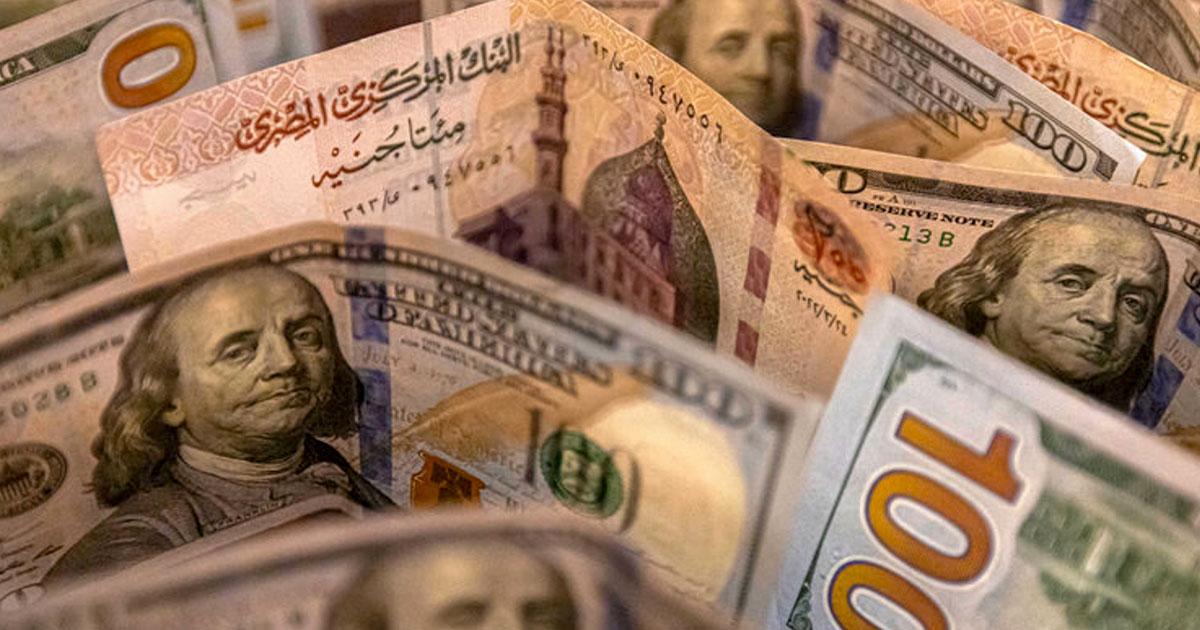
Egypt’s foreign exchange reserves rise to a record level that enhances sustainable development
The increase in foreign exchange reserves represents one of the most prominent indicators that reflects the ability of any economy to enhance financial stability and raise the efficiency of countries in the face of global changes, and also provides an initial reading of the extent to which the economy’s position has improved at the external level. Therefore, announcing any increase in cash reserves is of great importance among decision makers, investors and economic analysts.
This is because when countries face economic crises or disturbances in global markets, foreign exchange reserves are one of the first indicators that attention turns to; Because the size of these reserves reflects the state’s ability to meet its needs for foreign currencies, finance imports, and fulfillmentWith its external obligations, it also gives the national central bank space to maintain market stability when it is exposed to pressure.
From this angle, the data of the Central Bank of Egypt was announced, revealing that the net foreign exchange reserve had risen to approximately $56.3 billion by the end of July 2026, which is the highest level recorded in the reserve in the country’s history, with an increase of approximately $1.23 billion compared to the month of June.
This is what we highlight in this article, exploring the impact of this in supporting economic growth indicators, and the extent of its connection to efforts to achieve sustainable development according to its social, economic and environmental dimensions. So keep reading.
In this official statement issued by the Central Bank of EgyptThe reported monetary rise appeared to be diverse; It consists of the basic international currencies, which are:
US Dollar
The single European currency “Euro”
British Pound
Japanese Yen
Chinese Yuan
The increase was driven by an improvement in reserve components. Foreign currency balances increased significantly, supported by external financial flows, including financing payments from the European Union, in addition to Egypt’s success in issuing “panda” bonds. Consequently, this enhanced the liquidity of foreign currencies and expanded sources of financing.
As well as the rise in global gold prices in…Increasing the total value of the reserve, bringing the value of gold among its components to towards 17 billion dollars, while unofficial reserves continued to record high levels, reflecting the diversity of assets on which the foreign reserve is based.
The Egyptian economy is growing
This development – that is, the increase in foreign exchange reserves – comes in conjunction with a continuous improvement in foreign exchange sources. Egyptian exports have witnessed gradual growth since 2025, in parallel with an increase in tourism revenues and remittances from Egyptians working abroad, which are sources that represent basic pillars for enhancing the economy’s ability to provide foreign currencies in a more sustainable manner.
And in another indicatorReflecting the extent of the improvement in the external position of the economy, net foreign assets increased to about 27.96 billion dollars during June 2026, driven by an increase in foreign assets at the Central Bank and commercial banks, which enhances the ability of the banking sector to meet its external obligations and supports the stability of the financial system.
From this standpoint, the increase in foreign exchange reserves has a significant impact on economic indicators. It provides the state with a wider space to finance its needs for strategic goods and production inputs, reduces the risks of exchange market fluctuations, and also enhances the confidence of international institutions and investors in the economy’s ability to confront global changes.
From the perspective of the seventeen Sustainable Development Goals (SDGs), the increase in foreign exchange reserves is directly linked to the eighth goal related to economic growth.Decent work, and the ninth goal of building a more competitive economic and industrial structure, in addition to its contribution to supporting the seventeenth goal, which emphasizes the importance of international partnerships and mobilizing financial resources to achieve development.
However, the real importance resulting from the rise in foreign exchange reserves lies in the extent to which the economy is prepared to maintain this momentum through sustainable productive resources. Any resources that are not dependent on exceptional flows or temporary financing; The higher the contribution of exports, tourism, foreign direct investment, and value-added industries to reserve formation, the more The economy’s immunity to external fluctuations increased, the cost of borrowing decreased, and its ability to finance development expanded.
Accordingly, what you see The Earth Guards Foundation is that preservingThe increase in foreign exchange reserves should be seen as the result of an integrated economic path that enhances production and competitiveness, and not as an independent goal, in order to consolidate financial stability and achieve Sustainable Development Goals (SDGs) in the long term.