

Central Bank Prepares to Launch “My Identity” App for Digital Banking Transactions
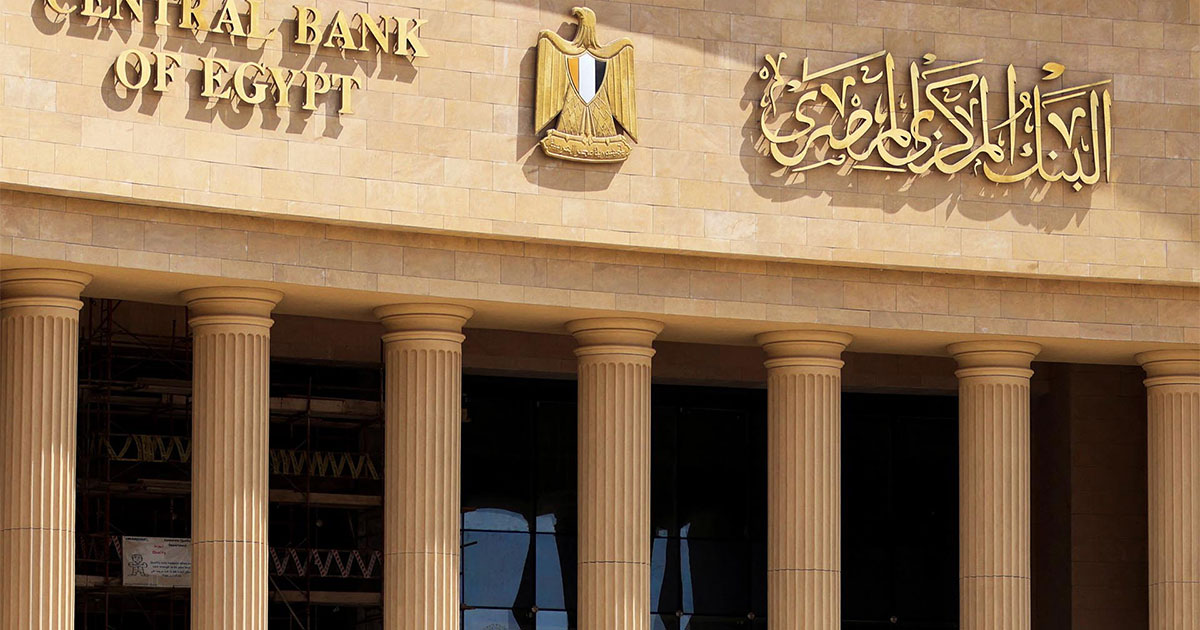
The Central Bank is preparing to launch the My ID application to complete banking transactions electronically
Within the framework of the government’s endeavor to build a digital Egypt and reach an Egyptian society that deals digitally in all aspects of life, it is working to develop and develop the technological infrastructure, develop digital services in government agencies, and add other new services.
This will help improve the performance of ministries and other government agencies, raise the quality and efficiency of services by improving the work environment, provide support for the decision-making process and find solutions to issues of concern to society in a way that contributes to achieving comprehensive sustainable development. The Central Bank of Egypt, in turn, is making efforts to strengthen the digital identity infrastructure in the Egyptian market, as it prepares to launch the My Identity application.
My Identity application developing financial sector services.
Deputy Governor of the Central Bank, Sherif Hazem, stated that the Central Bank of Egypt is in the process of launching the My Identity application during his speech at the “Cairo ICT 2025” exhibition and conference, and the application allows citizens to open bank accounts and identify themselves remotely without the need to go to branches.
Sherif Hazem continued, saying: The application addresses one of the most prominent problems faced by the public, which is updating data and confirming identity, noting that the development of the application includes a strict verification system that ensures the protection of digital identity and prevents any attempts to tamper with it.
The application comes within Egypt’s plan for digital transformation 2030 and will contribute significantly to raising financial inclusion rates, by enabling wide segments of citizens to integrate into the banking system easily and safely.

My ID is a digital ID card
The application provides a reliable digital personal identity that is an alternative to the traditional personal card, which can be used to open bank accounts electronically, authenticate data and documents, and carry out government transactions, and also includes dealing with telecommunications companies and various services.
The system is based on“Electronic Know Your Customer (E-KYC) technology to verify identity remotely, with the use of advanced verification mechanisms such as facial or biometric fingerprint, to ensure the highest levels of security for users.
Full supervision of the Central Bank
The project is subject to the full supervision of the Central Bank of Egypt, and it also owns 55% of the capital of the company supervising the implementation of the project, which is estimated at 275 million pounds.
This company aims to be responsible for the digital identity infrastructure in Egypt, as it enables the opening of bank accounts and authentication of transactions remotely, through approved and secure electronic platforms.
The Central Bank is putting the final touches before officially launching the platform before the end of this year, and it will begin gradually integrating it with banks, payment service providers, telecommunications companies, and global networks such as “Visa” and “MasterCard.”
The first fully digital bank
The project to launch the platform comes in preparation for the launch of the first fullydigital bank during the year 2026 under the name One Bank, under the supervision and approval of the Central Bank of Egypt.
The project is a qualitative leap in the banking services sector. Citizens will be able to open their accounts and manage their transactions entirely through a smartphone withoutNeed for papers or visits to branches.

The digital transformation efforts come in accordance with a national strategy that aims to provide multiple electronic services through digital and non-digital outlets and improve work within the state’s administrative apparatus so that it works efficiently and effectively, ensuring the strengthening of the values of transparency, accountability and monitoring of business through interaction and partnership between various elements of society, including universities, the private sector, civil society institutions, and others.
AndThe Earth Guards Foundationsupports the state’s efforts in the file of digitization and digital transformation that Egypt has been seeking in recent years, to improve the quality of life of the Egyptian citizen and raise the quality of government services in all its sectors, including the banking sector, one of whose outcomes we discussed in this article, which reflects positively on achievingComprehensive sustainable development.


