

Champions League stadiums pause to mourn Nepal’s floods and reveal the harsh face of climate change
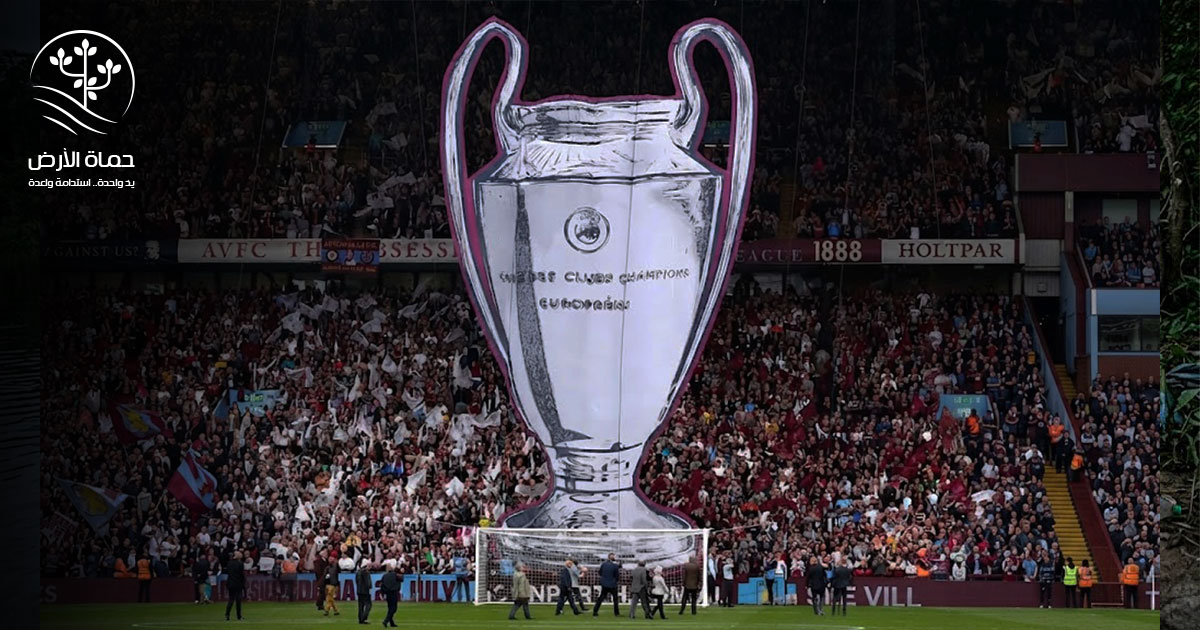

UEFA Champions League stadiums stop in grief over the floods in Nepal and reveal the harsh face of climate change
A historical precedent in The European Champions League revealed the seriousness of what the world faces today in terms of the effects of Climate change, after the fans observed a minute of silence – based on a decision from the European Football Association – before the start of the matches of the first round of the European League stage in the season. 2026-2027.
There, the fans raised a banner in solidarity with the victims of the catastrophic floods in Nepal that occurred on August 26, opening a broader discussion about the relationship of sport to the Sustainable Development Goals (SDGs), especially Goal Thirteen: Action.climatic.
In this analysis, The Earth Guards Foundation provides an objective reading linking this sporting event with the human and environmental dimensions behind it, within the framework of the seventeen Sustainable Development Goals (SDGs); So keep reading.
What exactly did UEFA announce?
Earlier, the European Football Association (UEFA) announced the organization of a pause of silence before the start of all matches in the opening round of the Champions League, which opened last Tuesday. This humanitarian pause was accompanied by the raising of a banner carrying a message of support for the people of Nepal in their plight.
On behalf of the European football family, Federation President Aleksander Ceferin expressed his deep condolences and full support to the people of Nepal, wishingHe has strength and resilience in the journey of recovery from the effects of this disaster.

How big is the disaster?
The numbers here are the essence of the story; The death toll in Nepal has risen to more than 1,355 people, with thousands more still missing, despite massive rescue operations that included workers who were stuck inside tunnels for more than a week.
The cause of this tragedy was the collapse of a glacier on “Langtang Lirong Mountain” located in the heart of the Himalayan mountain range, which caused landslides and violent mudflows that swept away the villages, including their residents and homes!

What are the relationship between Nepal’s floods and sustainability?
The Nepal floods are one of the clearest manifestations of the climate change crisis, the severe effects of which have weakened the infrastructure and economies within many countries of the world, especially developing countries that bear the cost of this global crisis, a crisis linked to a number of goals, which we will list for you in the following lines.
Climate Action
The melting of glaciers is directly linked to global warming, which makes the Nepal disaster a vivid example of the importance of Sustainable Development Goal 13, to take urgent action to combat the effects of climate change.
Sustainable cities and communities
Also, the floods and landslides that destroyed entire villages reveal the fragility of the infrastructure in these mountainous regions in the face of natural disasters. This makes enhancing the resilience of local communities an integral part of the eleventh goal of building sustainable cities and communities.

Partnership and Solidarity
When all of Europe’s stadiums stop to observe a minute of silence, this practically translates the idea of global partnership on which the seventeenth goal is based; Sport becomes a tool of solidarity that transcends borders. It contributes directly to shedding media light on a crisis that might be quickly forgotten if it were not for this type of public platform.

UEFA Champions League Sustainable Platform
Since the 2024-2025 season, the tournament has moved from the traditional group system to the “league system”, which includes 36 teams in one table, each team playing 8 matches against 8 different opponents who are determined through a specific classification system, instead of fixed groups of four teams.

There are prominent and famous teams that were included in the first round of the European League for the 2026/2027 season, and the following table shows them.
| Ranking |
The Club |
Points |
| 1 | Paris Saint-Germain | 3 |
| 2 | Bayern Munich | 3 |
| 3 | Barcelona | 3 |
| 4 | Manchester United | 3 |
| 5 | Como | 3 |
| 6 | Sporting Lisbon | 3 |
This popularity of the 2026/2027 season of the European League confirms – in one way or another – that there is a strong convergence and a clear link between football and the Sustainable Development Goals (SDGs), but how is this? This can be done through:
- Millions of viewers around the world who follow the European League matches weekly; This gives the message of solidarity with Nepal a reach beyond any traditional awareness campaign.
- The repetition of such initiatives entrenches – as happened previously withMorocco earthquake – the idea that global sports have become an active partner in raising awareness of climate and disaster issues.

From the perspective of The Earth Guards Foundation, the scene witnessed by the Champions League stadiums should not be read as a passing humanitarian stance toward a disaster that occurred in a distant place; Because the value of this moment goes beyond the minute of silence itself to the message it carries, which is that natural disasters resulting from climate change have become a humanitarian and economic issue that affects the ability of societies to survive, recover, and create a safer future.
This highlights the role of sports – sports football and others – as a soft force capable of transferring…Sustainability issues from international reports and specialized conferences to the conscience of millions of people; The audience who gathers to watch a match may not be watching a report on climate change, but they may stop in front of a sign of solidarity or a minute of silence, and ask about the disaster, its causes and effects. His awareness increases, and thus the goals and principles of sustainability crystallize in his mind.


