

A field visit to the Beni Suef power station to follow up on operation and responsible consumption
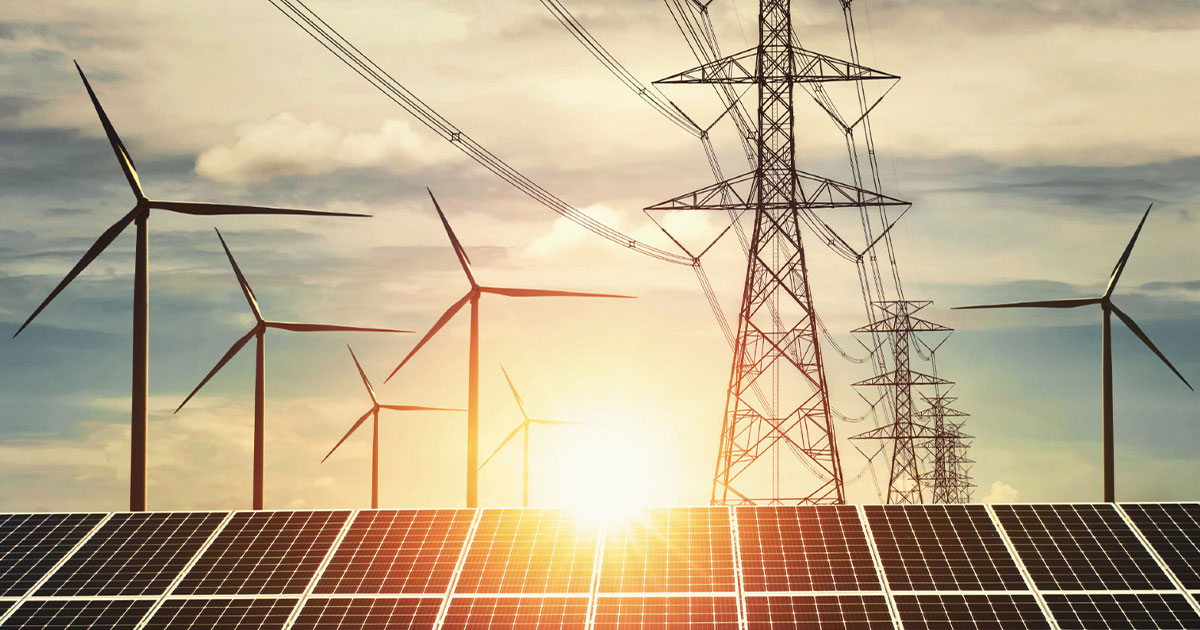

A field visit to the Beni Suef power station to follow up on operation and responsible consumption
The global energy sector is witnessing rapid transformations. These transformations have called for the development of electricity generation systems because they are a strategic necessity imposed by the requirements of sustainability and operating efficiency. The importance of this trend is increasing with the increasing demand for energy, and the need to achieve a balance between continuity of supply and responsible consumption of fuel, in addition to expanding reliance on renewable energy sources, which enhances the ability of countries to face economic and environmental challenges simultaneously.
From this standpoint, efforts are moving towards adopting more efficient operating models based on advanced technology, improving resource management, and raising infrastructure readiness, to ensure the provision of stable and safe electrical services. Field monitoring and continuous evaluation of the performance of generating stations also represents one of the basic pillars for achieving these goals, by identifying the actual reality of operation, supporting development plans, and maximizing the efficiency of fuel use in parallel with integratingclean energy solutions in a gradual and sustainable manner.
Operating efficiency and sustainability of electricity supply
In this context, Dr. Mahmoud Esmat, Minister of Electricity and Renewable Energy, conducted a field visit to the Beni Suef combined power station for generating electricity, within the framework of enhancing operating efficiency and sustainability of electricity supply, ensuring the continuity of electrical current, increasing the generated energy, and achieving responsible consumption by reducing the use of traditional fuels, and ensuring the level of services and economic operation of affiliated companies is raised.
The station operates with a capacity of 4,800 megawatts, which represents 15% of the total installed capacity in Egypt, using H-class combined cycle technology, with a total construction cost of 2.05 billion euros, in addition to 43 million pounds, in order to monitor the progress of work, operation, and fuel consumption rates, as the station is among the lowest fuel consumption on the unified electricity network, and consumption rates reach 149 grams per kilowatt, in order to achieve responsible consumption of non-energy sources. Renewable.

H-class combined cycle technology
H-class combined cycle technology is the latest and most efficient method of generating electricity, as it produces more energy with less fuel consumption. It relies on integrating two types of power generation units – gas and steam – to achieve the maximum benefit from heat, which increases the station’s ability to generate electricity while committing to responsible energy consumption.
This technology makes operation more economical and reliable, reduces emissions, and helps make better use of resources. Thanks to it, the stability of electrical networks can be ensured and the highest level of efficiency in electricity production can be achieved.
Monitoring performance and improving operational efficiency
During the visit, the Minister reviewed the new work plan to change the operating mode and increase performance efficiency, in addition to monitoring the total energy generated, the quantities of fuel used, implementing maintenance programs and coordinating with control centers, in addition to training workers and promoting occupational safety and health.
The discussions also addressed the station’s plan to confront faults and increased loads during the summer, with a focus on speed of response, achieving economical operation, and reducing traditional fuel consumption.
These efforts represent part of the national strategy to promote responsible energy consumption and improve the efficiency of resource use, in line with the Sustainable Development Goals (SDGs) of clean and sustainable energy (Goal 7), comprehensive economic growth (Goal 8), and ensuring a safe and stable work environment (Goals 8 and 9), while supporting the stability of the national grid and ensuring the continuity of electrical services.

In conclusion, the visit of Dr. Mahmoud Esmat, Minister of Electricity and Renewable Energy, to the Beni Suef station reflects the keenness to achieve high operational efficiency and the sustainability of electricity supply, with a commitment to achieving responsible fuel consumption.
This visit demonstrates how adopting H-class combined cycle technology allows for greater power generation with the least amount of fuel, which reduces emissions and enhances the economic operation of the network, and makes the station a model of sustainable and stable performance. It also highlights the importance of monitoring field performance, evaluating fuel consumption rates, and coordinating between operating teams to ensure continuity of electrical services of the highest quality.
The experience also highlights the role of training programs and preventive maintenance in enhancing the station’s readiness to face faults and increased loads, ensuring network stability and operational sustainability.
In turn,The Earth Guards Foundation highlights the efforts concerned with achieving the Sustainable Development Goals (SDGs) in order to achieve clean and sustainable energy (Goal 7), comprehensive economic growth (Goal 8), and a safe and stable work environment (Goals 8 and 9), so that continuous improvement and integrated planning become two basic pillars to ensure an integrated energy system that meets the needs current and maintain the sustainability of the future.


