

Washington intends to cancel the decision to regulate carbon emissions amid scientific and legal controversy
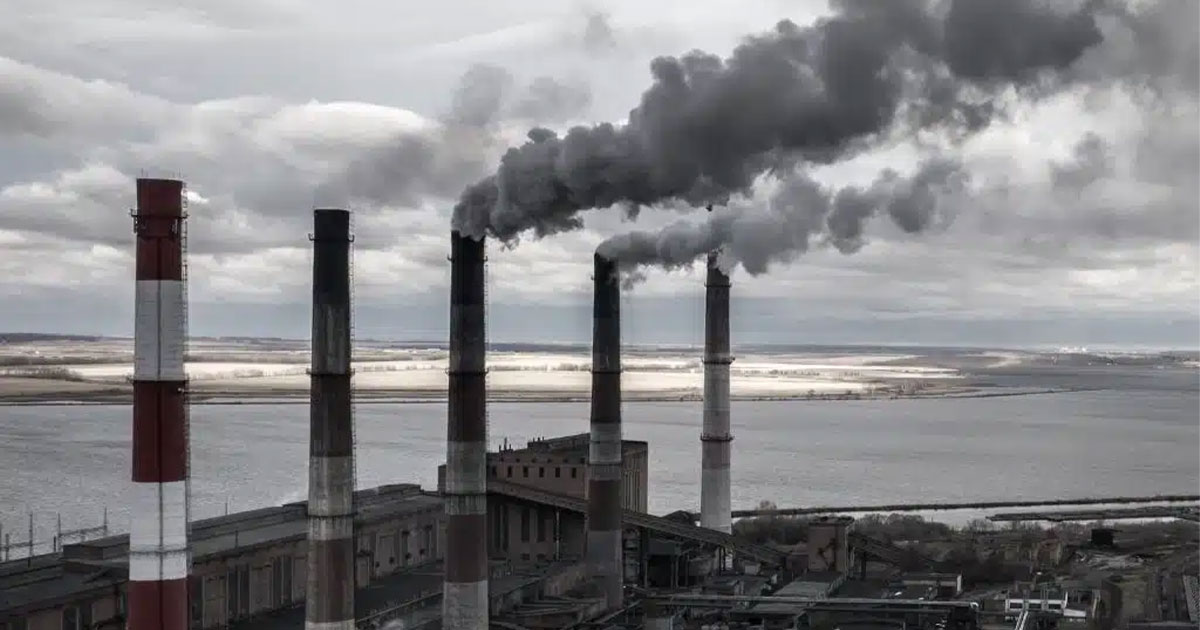

Washington intends to cancel the decision to regulate carbon emissions amid scientific and legal controversy
At a time when pressures related to climate change are mounting globally, and when regulatory frameworks for controlling carbon emissions are becoming more important, the United States is witnessing a legal development that may redraw the boundaries of federal environmental policy. Climate regulation in the world’s largest economy has become linked to market stability, investment trends, and the government’s role in managing long-term risks.
In this context, the US administration is moving to cancel the regulatory decision issued in 2009 that formed the legal basis for imposing restrictions on carbon emissions under theClean Air Act. This decision, known as the “Endangerment Finding,” gave the EPA the authority to regulate Greenhouse Gases (GHGs) after deeming them a threat to public health and the environment. With the announcement of the cancellation of this framework, American climate policy enters a new phase in which legal, economic, and scientific considerations intersect, amid expectations that it will face judicial challenges that may reshape the features of environmental regulation in the country.
The announced decision is not limited to a limited administrative amendment, as it affects the cornerstone on which car and power plant emissions standards have been built for more than a decade. In light of the continuing debate about the cost and feasibility of regulation, the circle of discussion is expanding to include the impact of this step on markets, investment, and the stability of public policies.
Basis of the Carbon Emissions Regulation Law 2009
Regulation of carbon emissions is linked to the legal framework established by the Clean Air Act of the 1970s, which gives the Environmental Protection Agency the authority to regulate pollutants that are harmful to public health. Whereas in 2007, the US Supreme Court ruled that Greenhouse Gases (GHGs) fall within the definition of “pollutants” contained in this law, which opened the door to subjecting them to regulatory control.
Based on this ruling, in 2009, the agency issued the “Endangerment Finding” report prepared by 31 climate science experts, and reviewed by federal agencies includingNASAand the National Oceanic and Atmospheric Administration. The report concluded that six types of Greenhouse Gases (GHGs), primarily carbon dioxide, pose a threat to public health and current and future generations.
This assessment provided the legal basis for applying emissions standards to vehicles and power plants, and has become a pillar of federal climate policy over the past decade. Over time, the resulting regulatory stability has helped direct energy and transportation sector investments toward less carbon-intensive technologies. However, this organizational stability faces a new test today with the administration announcing its intention to abolish the basis on which these policies were based.

The cancellation decision and its economic dimensions
The current administration described the cancellation of the decision as a major step towards reducing regulatory restrictions, considering that removing emission standards may reduce the burden on industry and consumers. The repeal project also includes canceling all emission standards for light, medium and heavy vehicles, in addition to questioning the agency’s authority to impose any climate-related standards.
However, this proposal is met with an economic debate about the long-term cost of rising carbon emissions. Estimates from environmental organizations have indicated that the cumulative social cost of emissions from American companies may reach $87 trillion, if their impact on health, infrastructure, and climate disasters is taken into account. Between those who believe that reducing restrictions enhances competitiveness, and those who warn of the cost of regulatory laxity, a complex economic equation is crystallizing linked to the future of energy investment.
Scientific controversy and legal challenge
The current move was based on a report issued last year that downplayed the risks of global warming and pointed to alleged positive effects of increased carbon dioxide on plant growth. However, a federal court recently ruled that the Department of Energy violated the Advisory Committees Act of 1972 by secretly forming a working group to make policy recommendations, adding an additional legal dimension to the case.
Analysts expect that the repeal of carbon emissions regulation will face appeals before the Court of Appeals in Washington, with the dispute likely to be resolved in the Supreme Court. This judicial path raises questions about the stability of the regulatory framework, as changing regulating rules creates a state of uncertainty for regulated sectors and affects long-term investment decisions. As the legal debate expands, a broader question arises regarding the climate trend in the United States.
General climate trajectory in the United States of America
Despite the shift at the federal level, many US states continue to adopt policies to reduce carbon emissions. Data indicate that 26 states, representing about 60% of US gross domestic product and a similar percentage of emissions, are committing to goals consistent with previous climate pledges. This reality perpetuates a duality in the regulatory path between the federal level and the state level.
The multiplicity of regulatory frameworks may create challenges for companies operating at a national level, but it also reflects the continuing trend towards local climate policies that seek to preserve clean energy investments and enhance the economy’s resilience to the risks of climate change.

In conclusion, the debate over carbon emissions puts American policy to a new legal and institutional test. The issue goes beyond an administrative decision to a re-evaluation of the role of the federal government in regulating the climate file, amid an overlap between economic, scientific, and judicial considerations.
The Earth Guards Foundation believes that managing the carbon emissions file requires an approach based on consistency and continuity, so that environmental policies do not become hostage to periodic changes in political decisions. Clarity on climate issues enhances organizations’ ability to plan long-term, and gives society a more stable framework for dealing with risks associated with climate change. As the judicial process evolves, the challenge remains in maintaining a balanced approach that combines protecting public health and ensuring the stability of the rules governing climate action.


