

Declining fertility rates threaten economic growth and predict a demographic crisis
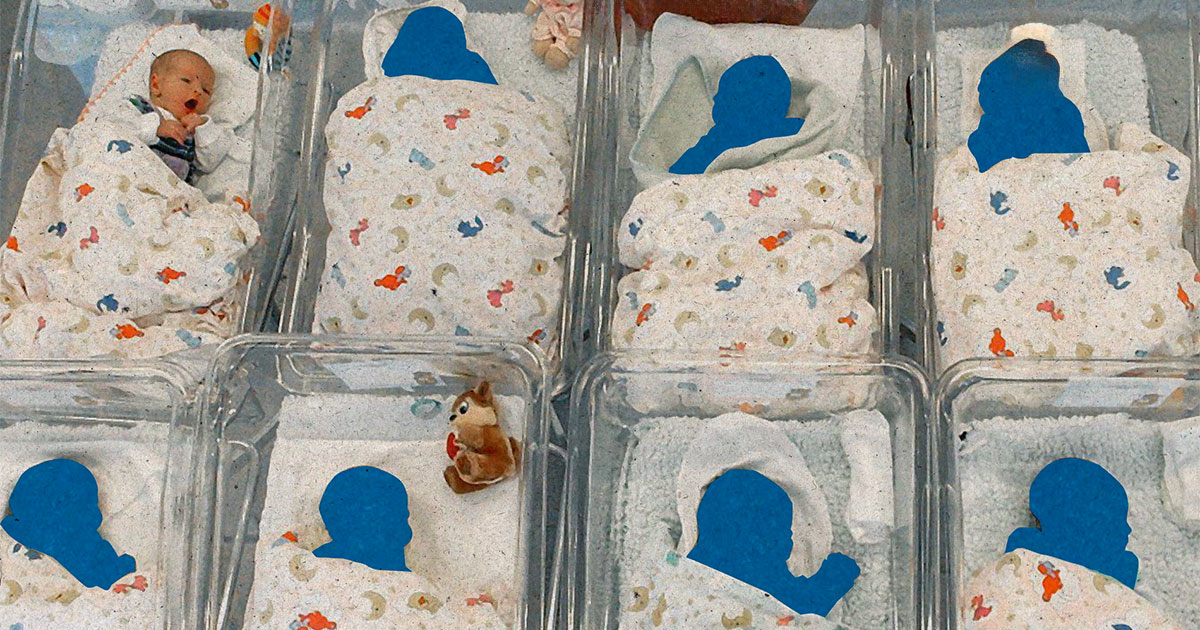

The decline in fertility rates threatens economic growth and predicts a demographic crisis
Fertility rates have declined significantly in a number of major economies, which raises increasing questions about the repercussions of this shift on the future of economic growth and social stability. As the number of births declines and the pace of population aging accelerates, major countries such as the United States and China face intertwined challenges related to the labor market, public spending, and long-term economic sustainability.
In this context, these developments intersect with the Sustainable Development Goals (SDGs), especially with regard to economic growth (Goal 8) and reducing inequalities (Goal 10), as population balance reflects one of the basic factors in achieving the sustainability of economic and social systems. From this standpoint, this article reviews the dimensions of the decline in fertility rates in some countries, its effects on the economy, in addition to the challenges associated with managing this demographic transition.
US fertility rates at record lows
Fertility rates in the United States have declined to a record low, with the average number of children per woman reaching about 1.57 in 2025, which is significantly lower than the level ofPopulation Replacement, which expresses the fertility rate required to replace the current generation of parents with a new generation of children, which is 2.1 children per woman. This decline reflects a significant decline compared to previous expectations, indicating an increasingly profound demographic shift.
This decline results in a gradual decline in the number of births, which affects the structure of the population, and increases the proportion of the elderly compared to younger age groups, which portends increasing economic and social challenges. This danger does not stop at one country alone, but rather extends to become a global phenomenon.

Low fertility is a global phenomenon
The decline in fertility rates is not limited to the United States, as it has become a global phenomenon that includes a large number of countries, as about two-thirds of the world’s population lives in countries where fertility rates are below the population replacement level. This includes developed and developing countries, which reflects the nature of this transformation on a large scale.
In this context, countries such as China face similar challenges, as declining fertility has led to accelerated population aging, which affects economic growth rates. OECD countries are also exposed to increasing pressure on social welfare systems and the labor market as a result of the increasing rate of aging resulting from this transformation.
Population aging and its impact on the labor market
The decline in fertility rates is associated with an increase in the average age of the population, as the ratio of the elderly to the working-age population increases. It is estimated that the number of people aged 65 or over will increase significantly in the coming decades, compared to the number of workers.
This shift leads to pressures on the labor market, as the size of the labor force declines, which may affect productivity and economic growth. It also imposes challenges on employment systems, increases financial pressures, and increases government spending directed at the older group.
Fiscal pressures and high government spending
The demographic changes resulting from the decline in fertility rates are reflected in the financial conditions of countries, as the increase in the number of elderly leads to increased spending on health care and pensions. In contrast, the number of taxpayers declines, putting pressure on public budgets.
Estimates indicate that the proportion of spending on retirement and health care programs has risen significantly from the gross domestic product over the coming decades, which will increase the fiscal deficit and enhance levels of public debt, especially in light of the slowdown in economic growth. In light of these challenges come other challenges related to innovation and economic growth.
Innovation and the economy in light of population decline
The decline in fertility rates is also linked to challenges related to innovation and economic growth, as the decline in the working-age population reduces the number of individuals able to contribute to the development of technologies and innovations. This may also affect the size of markets, limiting investment incentives in some sectors.
On the other hand, technology, especially artificial intelligence, is emerging as one of the potential solutions to compensate for the workforce shortage, by enhancing productivity. However, this option remains linked to the ability of economies to achieve a balance between reliance on technology and maintaining the sustainability of the labor market.In light of these challenges, the role of government policies emerges as a decisive factor in dealing with the repercussions of declining fertility rates and trying to limit its impact in the long term.

Are government policies successful in confronting the fertility crisis?
Many governments are seeking to confront declining fertility rates by adopting policies aimed at supporting families and encouraging childbearing, such as providing financial incentives and expanding childcare services. However, experience suggests that the impact of these policies remains limited in many cases.
This is linked to multiple factors, including rising costs of living, changing lifestyles, and increasing women’s participation in the labor market, which raises the cost of childbearing in economic and social terms. This reflects the complexity of this issue, which requires comprehensive policies that go beyond traditional solutions.
In sum, developments in fertility rates reflect a profound demographic shift that poses increasing challenges to global economies, with its impact extending to the labor market, public finances, and levels of innovation. This transformation stands out as one of the main factors that may reshape the features of the global economy in the coming decades.
In this context,The Earth Guards Foundation indicates that dealing with these challenges requires adopting integrated policies that enhance the sustainability of economic and social systems, in a way that supports achieving a balance between demographic variables and the requirements of sustainable development in the long term.


