

Will football in the 2026 World Cup help achieve development and peace?
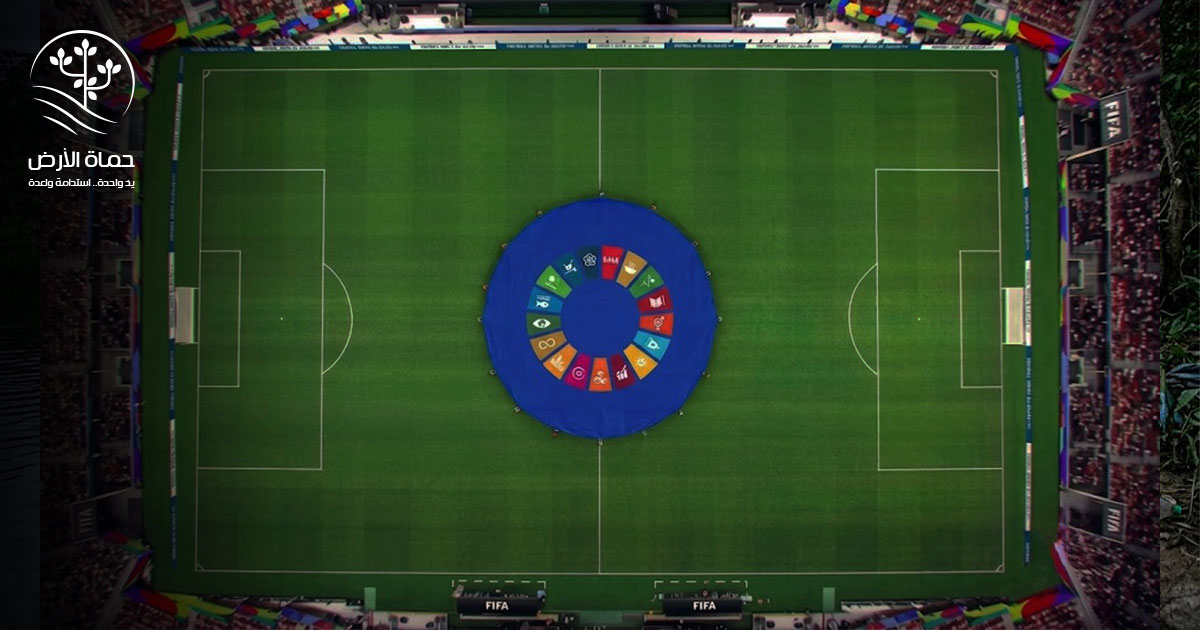

Will football in the 2026 World Cup help achieve development and peace?
The importance of theWorld Cup 2026goes beyond the limits of sports competition and results inside the stadiums; Such tournaments turn into a global platform to highlight the role of sports – especially football – in enhancing societal cohesion and opening new horizons for empowering youth everywhere.
While searches on the Internet increased for any information about2026 World Cup groups, and the results of2026 World Cup qualifiers, as well as questions related to “When and where the World Cup will be held 2026?“; Another angle emerges that is no less important than the aspects of organizing the tournament.

This angle was crystallized through the eyes of international institutions and civil society organizations, which are turning to the long-term development and social legacy that the 2026 World Cup could leave, and this is by utilizing the popularity of football – which is widespread among the majority of the world’s population – in empowering and supporting young people, and promoting the values of peace and solidarity among all societies.
In light of this growing importance thatfootballin2026 World Cup__EG_PH_29Earth Defenders Foundation__EG_PH_31in this article explores the social dimension of the current tournament. And a development impact that is able to bring about a positive transformation in societies. We therefore invite you to continue reading.
The world hosted by America
Since the implementation of the 2026 World Cup draw at the end of 2025, the United States of America, Canada and Mexico have begun preparing to host the largest edition in the history of the World Cup in football. Among these preparations, redoubled efforts were noted aimed at utilizing the public momentum enjoyed by the tournament in the service of social and development issues.

In this context, and in parallel with the development initiatives supported by FIFA on the sidelines of the 2026 World Cup; International institutions and international sports companies have launched practical calls aimed at expanding the societal impact of the tournament in the cities that host it. In fulfillment of the seventeenth goal: establishing partnerships to achieve the goals.
This is through community initiatives, and through programs directed at youth in marginalized areas, where international institutions and sports partners must strive to transform the fans’ passion for the game of football into a positive force capable of bringing about real and sustainable change within societies.
2026 World Cup for Development
Between June 11 and July 19, the stadiums of the United States, Canada and Mexico will receive 48 national teams, including the Egyptian national team; So that they can all compete in 104 matches, which is a starting point and a great opportunity to achieve a noticeable positive impact on many humanitarian and social levels.

From this standpoint, the“Play Collective“program emerges, which is an initiative aimed at supporting community sports organizations working in the cities hosting the 2026 Football World Cup, especially organizations Which uses sport as a means to support youth development and empowerment.
Institutional cooperation in football
This institutional cooperation will be by diverting global interest in football in the 2026 World Cup, so that this edition of the World Cup will have a sustainable development impact within local communities, harnessing football’s widespread popularity in serving issues of development and community integration, and enhancing youth opportunities to build a more stable and positive future, in a way that achieves the goal of building sustainable cities and local communities.
It is expected that this program will provide support to at least 21 organizations in the areas surrounding the cities hosting the tournament, and part of the program will be allocated to support at least 8 organizations that work primarily with young people with disabilities. The rest of the beneficiary organizations focus on young people who face forms of racial discrimination.

The selected organizations will be able to apply for allocated funding over the next three years, in addition to joining an international action mechanism aimed at developing institutional capabilities, deepening practices that support inclusion, and promoting the exchange of experiences and joint learning.
So, in essence, the 2026 World Cup experience will reveal the breadth of the role that sport has come to play in a world searching for new tools to promote development and social stability, a vision that is consistent with the interest that theEarth Defenders Foundation gives to initiatives capable of linking humanitarian activities and the Sustainable Development Goals (SDGs).
Perhaps the greatest value offered by the 2026 World Cup is its ability to transform a global event that is limited in time into an extended impact within local communities, and this is by investing in the popularity of football. In order to provide better opportunities for young people and provide stronger support to the most needy groups, it becomes a model of how to employ the power of sport in the service of man and his society.


