

The energy crisis pushes Europe to accelerate the transition towards clean energy and reduce electricity taxes
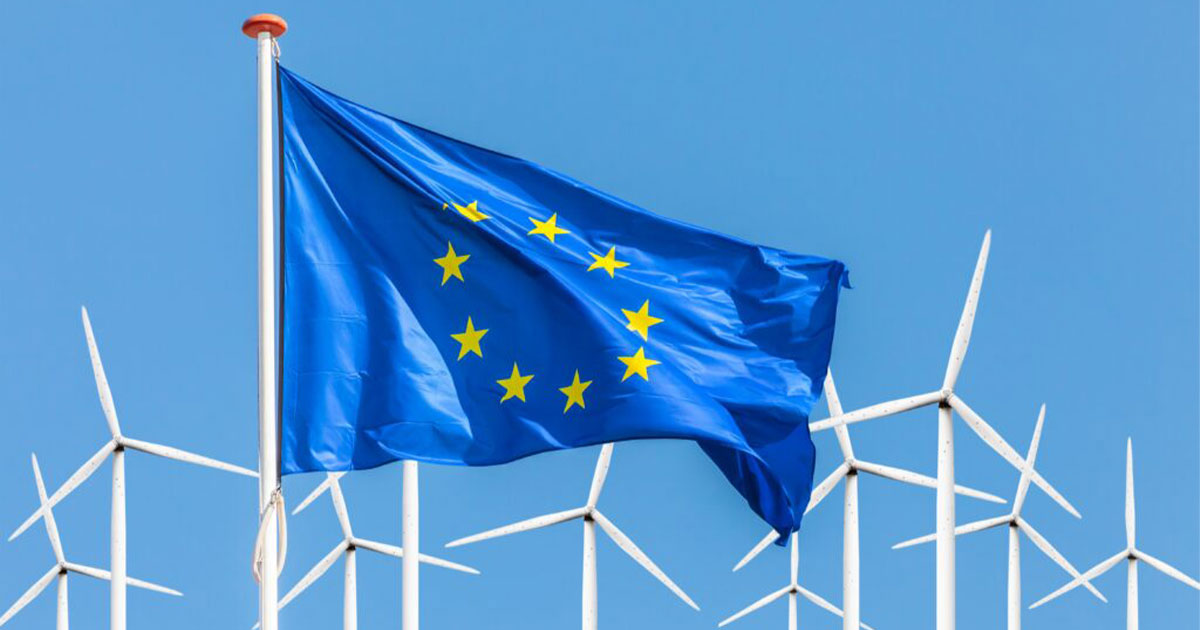

The energy crisis pushes Europe to accelerate the transition towards clean energy and reduce electricity taxes
The energy crisis in Europe is escalating significantly in light of geopolitical tensions andrising oil and gas prices, which is putting increasing pressure on European economies and consumers. The disruption of energy supplies, especially with the effects of war in the Middle East, has led to rising electricity costs, prompting governments to search for quick and sustainable solutions at the same time.
In this context, these developments intersect with the Sustainable Development Goals (SDGs), especially the seventh goal on providing clean and affordable energy, and the thirteenth goal on climate action, as European countries seek to achieve a balance between securing supplies and accelerating the transition towards low-emission and more sustainable energy systems.
From this standpoint, this article reviews the most prominent features of the European response to the energy crisis, including plans to reduce electricity taxes and accelerate investment in clean energy, in addition to efforts to enhance energy security and reduce dependence on fossil fuels, as well as the challenges associated with implementing these policies at the European level.
The energy crisis in Europe is an impetus for reshaping policies
The energy crisis is pushing the European Union to reconsider its energy policies, as it works to reduce dependence on oil and gas imports. This reflects a shift in policy orientations, which have become closely linked to energy security and strategic independence.
In this context, the European Commission seeks to adopt measures to reduce consumers’ exposure to price fluctuations, in addition to supporting the transition towards more sustainable energy sources.

Reducing electricity taxes to ease economic burdens
As part of the proposed measures, the European Union plans to reduce electricity taxes, in a move aimed at reducing the gap between the cost of electricity and traditional energy sources. This trend aims to reduce the burden on consumers, in addition to supporting energy-intensive industries, which face increasing challenges as a result of rising prices.
The plan also includes facilitating granting governments powers to reduce taxes on some sectors, thus enhancing the flexibility of economic policies in dealing with the repercussions of the crisis. In parallel with these measures, the European Union is moving towards adopting more sustainable solutions based on accelerating the transition towards clean energy.
Accelerating the transition towards clean energy
Beside short-term measures, Europe is focusing on accelerating the transition towards clean energy, by expanding investments in low-carbon technologies, such as renewables and smart grids. This trend aims to reduce dependence on fossil fuels, which represent a major source of emissions and price fluctuations.
European countries are also seeking to stimulate the use of electricity in industrial sectors, within the framework of broader plans to enhance the transition to clean energy, which contributes to building a more sustainable and flexible system. In a parallel framework to ensure the stability of supplies during the current stage, the European Union is enhancing coordination among member states to manage gas supplies more efficiently.
This trend is linked to supporting Sustainable Development Goals (SDGs) related to innovation and sustainable infrastructure, through developing smart networks and enhancing the efficiency of energy systems.

European coordination for gas supply management
The European Commission is working to enhance coordination among member states in managing gas supplies, by regulating storage operations and avoiding competition between countries to purchase gas at the same time. This approach aims to reduce price fluctuations and ensure market stability under the current circumstances.
This approach reflects the importance of teamwork in facing energy-related challenges, especially in light of the interconnectedness of European markets and the challenges they face in their dependence on external sources.
Challenges in implementing European energy policies
Despite these plans, Europe faces challenges in implementing its policies, as some measures require the approval of all member states, such as amending tax rules, which slows down the decision-making process in light of the differences in economic priorities between countries. These challenges also reflect the complexity of the decision-making process at the European level, especially on issues affecting the economic sovereignty and energy-related choices of each country.
This complexity extends to the difference in the energy mix between European countries, as some countries rely more on fossil fuels, while other countries have come some way in relying on renewable energy, which creates a disparity in the ability to implement the transformation in the energy file at the same pace. The cost of this transformation also represents an additional challenge, especially in light of the current economic pressures.
In this context, overcoming these challenges requires adopting a more integrated approach based on enhancing coordination among member states, developing joint financing mechanisms to support investments in clean energy and infrastructure, in addition to simplifying regulatory procedures to accelerate project implementation. Unifying regulatory frameworks and exchanging experiences between countries also contributes to reducing gaps and enhancing implementation efficiency.
This trend is linked to achieving long-term sustainability, as it supports building a more flexible energy system that relies on clean and diverse sources, and reduces exposure to external shocks. This also enhances the European Union’s ability to achieve its climate goals, while maintaining the balance between economic stability and the transition towards a low-carbon economy.
In conclusion, the energy crisis in Europe reflects a shift in policy priorities, as the need to secure supplies and achieve sustainability have become integral factors in formulating future strategies. The energy transition stands out as one of the main solutions to confront current challenges, contributing to building more resilient and sustainable energy systems.
In this context,The Earth Guards Foundation believes that accelerating the transition towards clean energy sources represents an essential step to achieving a balance between economic stability and environmental protection, which supports the achievement of Sustainable Development Goals (SDGs) and enhances the ability of economies to confront future crises.


