

Global Health faces increasing pressure as Ebola risks return in Africa
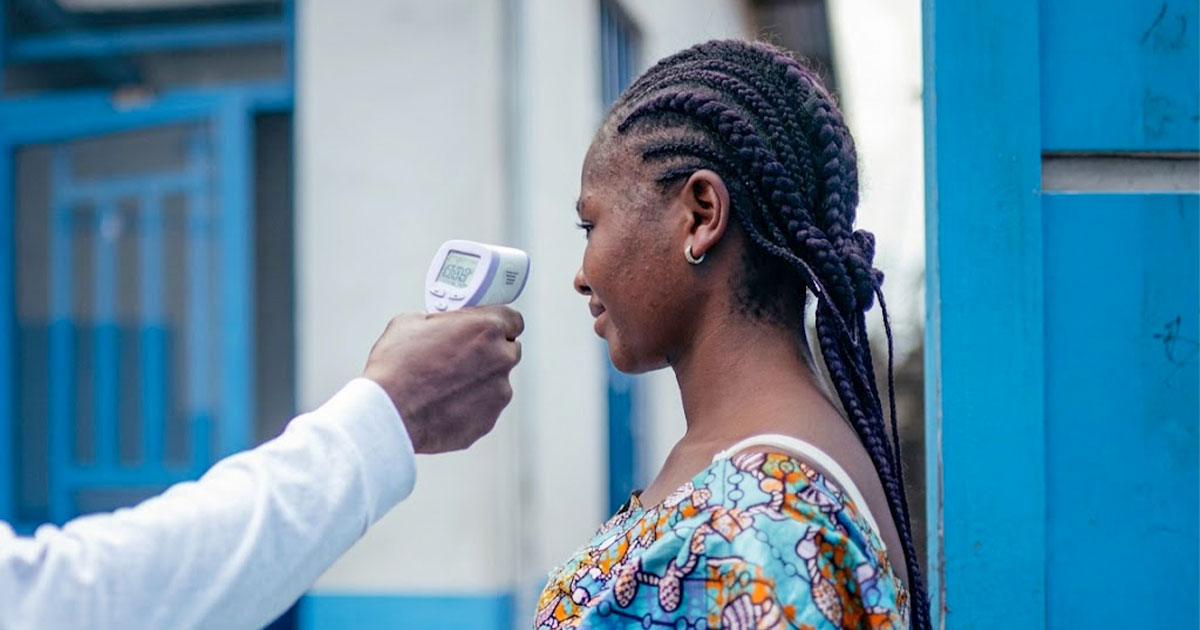

Global Health faces increasing pressure as Ebola risks return in Africa
Developments related to the Ebola virus in Congo and Uganda have revived concerns about health emergencies and cross-border epidemics, under intense international follow-up from the World Health Organization and health authorities within the African continent. This comes with increasing concern about the virus’s ability to spread within communities facing challenges related to health infrastructure and lack of medical resources, which places additional pressure on healthcare systemsand epidemiological response systems.
These developments gain special importance in light of the increasing interrelation between epidemics and social and economic stability, as global health issues have become an essential element in development and sustainability plans, especially with the impact of health crises on the movement of trade, travel, the economy, and societies.
This file intersects with the Sustainable Development Goals (SDGs), especially Goal 3 related to good health and well-being, and Goal 10 related to reducing inequalities, in addition to Goal 17 related to international partnerships, as global health issues require broad coordination between governments, health institutions and international organizations. From this standpoint, this article addresses the dimensions of the Ebola outbreak in Africa, its impact on health systems, and the role of international cooperation in supporting the response to cross-border epidemics.
Ebola raises growing global health concerns
International health authorities are following developments in the spread of Ebola in a number of regions within Congo and Uganda, amid warnings of the possibility of the spread of infection expanding if rapid and effective measures are not taken to contain the virus. World Health Organization data indicate that 246 suspected cases and 8 laboratory-confirmed cases were recorded, in addition to about 80 suspected deaths linked to the virus within the Ituri region in the Congo, while Uganda recorded confirmed cases of infection in the capital, Kampala, including a death linked to an expatriate coming from the Congo.
Ebola is a very dangerous virus, as it causes severe hemorrhagic fever and can lead to serious health complications, especially in areas that face weak health services or difficulty accessing medical care.
Concerns related to the potential spread of the virus have also prompted health authorities to intensify surveillance and contact tracing operations, in addition to strengthening examination and isolation procedures within areas where infections have appeared. This reflects the magnitude of the challenges facing global health in dealing with infectious epidemics, especially with the intersection of health, economic and social factors that may affect the speed of containing viruses and their transmission between communities.

Global health and challenges associated with health systems
Ebola developments reveal the extent of the pressures facing health systems in some African countries, especially with regard to rapid response to epidemics and the provision of medical capabilities and specialized personnel. Confronting the virus requires providing great capabilities in the areas of rapid diagnosis, isolation, and contact tracing, in addition to providing protective equipment and medical support to the infected and health sector workers.
Movement between regions and borders also represents an additional challenge to containment efforts, especially in areas that witness continuous transit movement between countries or that suffer from humanitarian and security crises that affect the efficiency of health services.
In this context, the importance of investing in health infrastructure and early warning systems is highlighted, which helps detect infections faster and reduces the possibility of transmission within communities.
This reflects the growing relationship between global health and sustainable development, as strengthening the capacity of health systems is directly linked to improving quality of life and supporting social and economic stability.
International cooperation and the role of the World Health Organization
The escalation of concerns related to Ebola has led to intensified coordination between the World Health Organization and health authorities in the countries concerned, with the aim of supporting surveillance, containment and rapid response efforts. International health authorities are working to follow developments in infections and provide technical support and guidance related to isolation, examination and case management procedures, in addition to strengthening the capabilities of field response teams.
International cooperation also includes supporting community awareness campaigns, especially in areas most at risk of the spread of infection, which helps raise awareness of preventive measures and the importance of early reporting of suspected cases. This highlights the importance of international health partnerships in dealing with cross-border epidemics, especially since global health issues have become increasingly linked to travel, mobility, and environmental and climate changes.
At the same time, these developments highlight the importance of building more flexible and sustainable cooperation systems between countries and health institutions, thus enhancing the ability to deal with future health crises more efficiently.
Transboundary epidemics and their impact on development and stability
Epidemics such as Ebola are linked to impacts that go beyond the health aspect, as their repercussions extend to the economy, trade and travel, and societal stability. Health concerns related to epidemics may disrupt some economic activities and reduce transportation and tourism, in addition to increasing pressure on health care budgets in affected countries.
Prolonged health crises also affect the most vulnerable groups within societies, especially in areas facing challenges related to poverty or weak basic services, which increases the importance of adopting more comprehensive health and development policies. This reflects the interconnection between global health and economic and social sustainability, as the ability of countries to deal with epidemics has become an essential part of their ability to maintain stability and long-term development.
Global Health and Investing in Health Sustainability
Current developments associated with Ebola reinforce the need to invest in health systems better able to respond quickly to epidemics and health emergencies, especially in areas most vulnerable to epidemic risks. It also highlights the importance of supporting scientific research, developing vaccines and treatments, and improving health surveillance systems, which helps reduce the possibility of the spread of viruses and contain health crises more effectively.
This is directly related to the concept of health sustainability, which is based on building resilient systems capable of protecting communities from current and future health risks, in addition to enhancing equity in access to health care and medical services. In this context, investing in global health has become an essential part of sustainable development paths, especially with the increasing challenges associated with epidemics, environmental changes, and global mobility.

In conclusion, the developments related to Ebola reflect the magnitude of the challenges facing global health in dealing with cross-border epidemics, especially in light of the increasing interconnection between health, development, and economic and social stability.
In this context,The Earth Guards Foundation highlights the promotion of health sustainability and the support it requires for health care systems, scientific research and international cooperation, which contributes to building societies more capable of confronting health crises and protecting humans and the environment in the long term.


