

Rising temperatures are putting increasing pressure on Britain amid the dangers of drought and floods
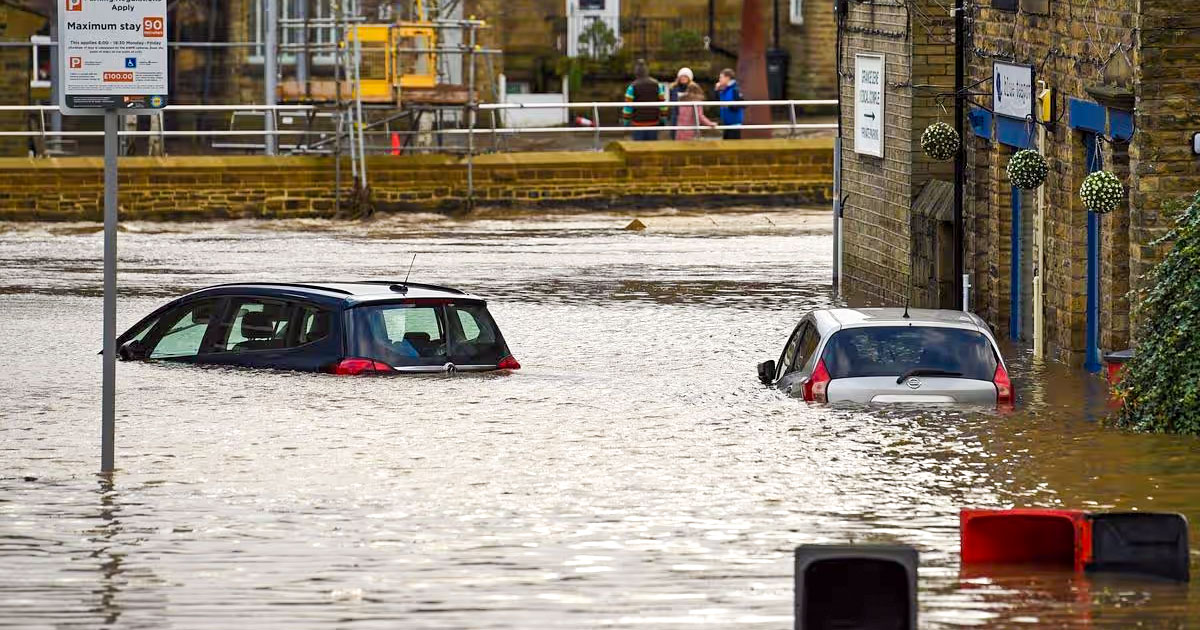

Rising temperatures put increasing pressure on Britain amid the dangers of drought and floods
These days, Britain finds itself facing a very complex climate reality. Due to rising temperatures and the abundance of extreme weather phenomena, with expectations indicating an expanding scope of the dangers of drought and floods and their repercussions on the health and population sectors in the coming decades.
The repercussions of these climate shifts include environmental aspects, as well as their impact on vital sectors such as transportation, energy, and water resources management. This forces decision makers to adopt more proactive policies and broader investments. To enhance the ability to adapt to the effects of climate change, and to compensate for the huge losses in the economic sector.
In search of the best policies for adapting to climate change, I discuss with youThe Earth Guards FoundationIn this article, Britain’s efforts to adapt to climate change, in conjunction with the unprecedented rise in global temperatures, by analyzing the data of the latest British climate reports within the framework of the Sustainable Development Goals (SDGs); So keep reading.
Investing in climate action
A recent report issued byBritain’s independent Climate Change Commission (CCC)called on the British government to increase annual investments in climate action; The report, entitled “A Well-Adapted UK”, indicated that Britain needs investments amounting to 11 billion pounds sterling every year to support climate adaptation measures, especially in the water, housing and public services sectors.
Water Infrastructure
Then the report’s data warned of a possible water supply shortage by 2050, a shortage that could exceed five billion liters! Therefore, the British committee called for strengthening the infrastructure’s ability to cope with the rise in temperatures that cause drought, through:
- Reconstruction of corroded drainage and water networks
- Development of water reservoirs
- Improving the efficiency of water resources management
This reflects the importance of developing long-term strategies for managing water resources, which supports environmental sustainability and reduces the impact of heat waves on water security. This is consistent with the eleventh goal related to the necessity of building sustainable cities and local communities, and is also consistent with the thirteenth goal related to climate action.

Concerns are also heightened about the impact of climate change on residential areas within Britain, with expectations that the number of homes at risk of flooding will rise by about 40% by 2050. These are expectations that reveal the extent of the pressures on road networks, transportation, sanitation, and public services. This requires accelerating investments aimed at enhancing the ability of British cities to confront extreme climate phenomena and reduce the economic losses resulting from them.
Health is in danger!
As for the health front, the report warned that heat waves in southern England may exceed 40 degrees Celsius repeatedly in the coming decades, which will increase the dangers facing the elderly and the most vulnerable groups.
This is because estimates indicate that heat stress deaths will rise to about 10,000 cases annually in the absence of the necessary adaptation measures, which is more than three times the current rates. The report therefore called for developing cooling systems in schools, hospitals, and prisons, in addition to modernizing housing and raising the readiness of public facilities.

The cost of rising temperatures
These estimates reflect the size of the economic cost associated with rising temperatures and extreme climate events, especially with warnings stating that the cost of reluctance to combat global warming and its various phenomena may reach 260 billion pounds sterling annually by the year 2050.
The British Climate Committee also believes that early investment in adaptation measures will be much less costly, compared to the potential economic losses in the future. This highlights the close relationship between climate and economic stability. High temperatures have a significant impact on the costs of public services, health, energy, and housing.
These data contained in the report of the British Committee on Climate Change confirm that the real challenge facing Britain is the extent of the readiness of the state’s institutions, economy, and infrastructure to deal with a new climate reality in which levels of uncertainty increase year after year.
According to the conviction ofThe Earth Guards Foundation, climate adaptation policies are an investment in national stability rather than an environmental response, which is the principle revealed by the current British experience in dealing with the impact of rising temperatures.


