

The European Union is considering expanding the carbon market to reduce carbon emissions in the aviation sector
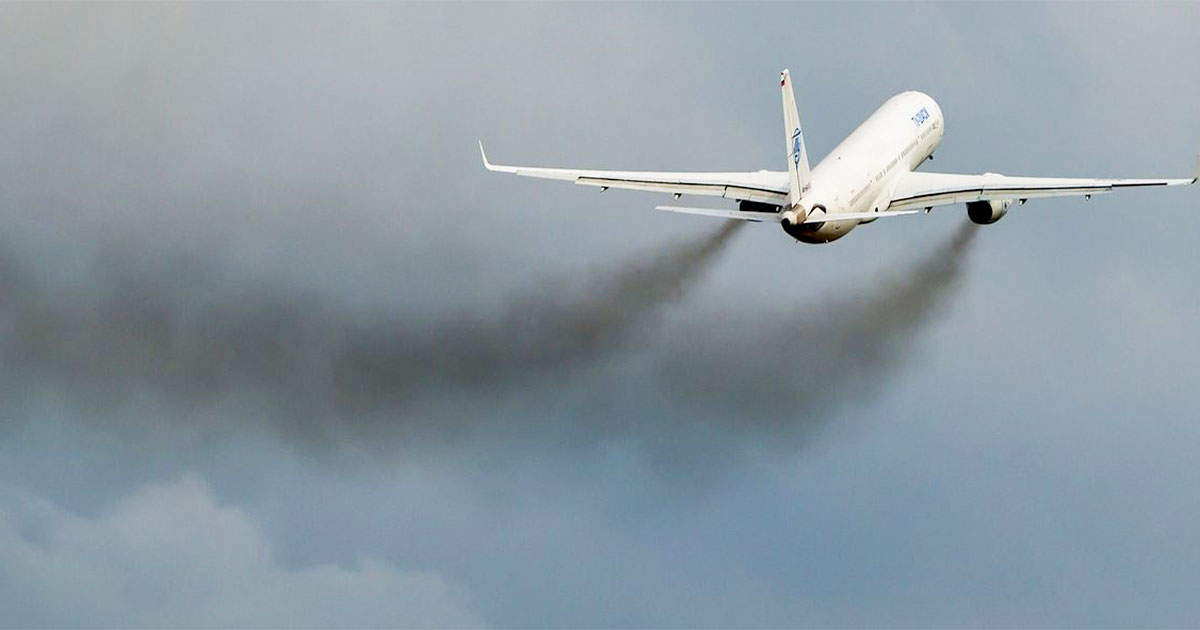

The European Union is considering expanding the carbon market to reduce carbon emissions in the aviation sector
The European Union is considering expanding the emissions trading system to include more international flights, in a move aimed at strengthening efforts to reduce carbon emissions and achieving its long-term climate goals. This comes as part of a broader review of the European carbon market system, which is one of the most important tools used to push economic sectors towards reducing emissions and transitioning to a low-carbon economy.
This file intersects with the Sustainable Development Goals (SDGs), especially Goal 13 related to climate action, and Goal 9 related to industry and innovation, in addition to Goal 12 related to responsible production and consumption, as Europe seeks to achieve a balance between climate protection and maintaining the competitiveness of the economy and industry. From this standpoint, this article discusses the dimensions of the proposed amendments to the European carbon system, and their impact on the aviation sector and various industries.
The European Union is considering expanding the carbon market to include international flights
The European Union seeks to expand the scope of the carbon emissions trading system – a system that requires companies to buy permits in exchange for their emissions of Greenhouse Gases (GHGs) – to include flights departing from Europe to international destinations, after the system was mainly limited to flights within the European continent.
This approach aims to impose a carbon cost on a larger portion of the aviation sector’s emissions, which helps achieve greater justice between airline companies and different air routes.
This also reflects a European desire to enhance the effectiveness of climate policies, especially with the increasing pressures associated with reducing emissions in sectors with a high carbon footprint, especially the air transport sector.

Aviation and carbon emissions between climate goals and economic challenges
The aviation sector represents one of the sectors facing increasing pressure in terms of reducing carbon emissions, especially as global travel continues to grow and fuel consumption rises.
Despite the existence of international mechanisms, such as the “CORSIA” system of the United Nations, the European Union believes that these policies may not be sufficient to achieve the required reductions in emissions, especially since they depend largely on compensating for emissions rather than actually reducing them.
In contrast, airlines face concerns over rising operating costs and environmental compliance, sparking a broader debate about how to balance the low-carbon transition to meet climate goals and maintain the sector’s competitiveness.
European industries and the pressures of the low carbon transition
The challenges associated with the carbon emissions profile extend to European industries, which face increasing pressure as a result of the rising costs of compliance with environmental policies.
In this context, the European Union is considering extending the granting of some free permits to industrial sectors that face difficulties in reducing emissions, especially with the escalation of global competition and the rise in energy and production costs.
This reflects the scale of the challenges associated with the green transition process, as Europe seeks to reduce emissions without severely affecting industrial activity, job opportunities, and investments.

Carbon emissions and the future of European climate policies
Current developments indicate that the issue of carbon emissions will remain one of the most prominent axes of European policies in the coming years, especially as the European Union seeks to achieve its climate goals by 2040.
There is also a need to develop more balanced policies that combine reducing emissions and supporting economic sectors during the transformation phase, in addition to strengthening international cooperation on climate, aviation and sustainable transport issues.
This reflects the importance of building an economic and industrial model capable of adapting to climate challenges, in a way that supports environmental sustainability and at the same time maintains economic growth and global competitiveness. This trend is also linked to the concept of sustainable development, which is based on achieving a balance between protecting the environment and continuing economic activity, by supporting innovation and encouraging sectors that have less impact on the climate in the long term.
In sum, European discussions on expanding the carbon emissions market reflect the challenges associated with balancing climate goals with economic pressures facing the aviation and industrial sectors. As global interest in reducing emissions escalates, there is a growing need for more comprehensive and flexible policies to support the transition towards a low-carbon economy.
In this context,The Earth Guards Foundation believes that the success of climate policies requires strengthening international cooperation and developing sustainable solutions for the transport and industry sectors, which contributes to reducing emissions and supporting economic development in a balanced and sustainable manner.


