

Debt burdens put pressure on societies in developing countries.. Why are women more affected?
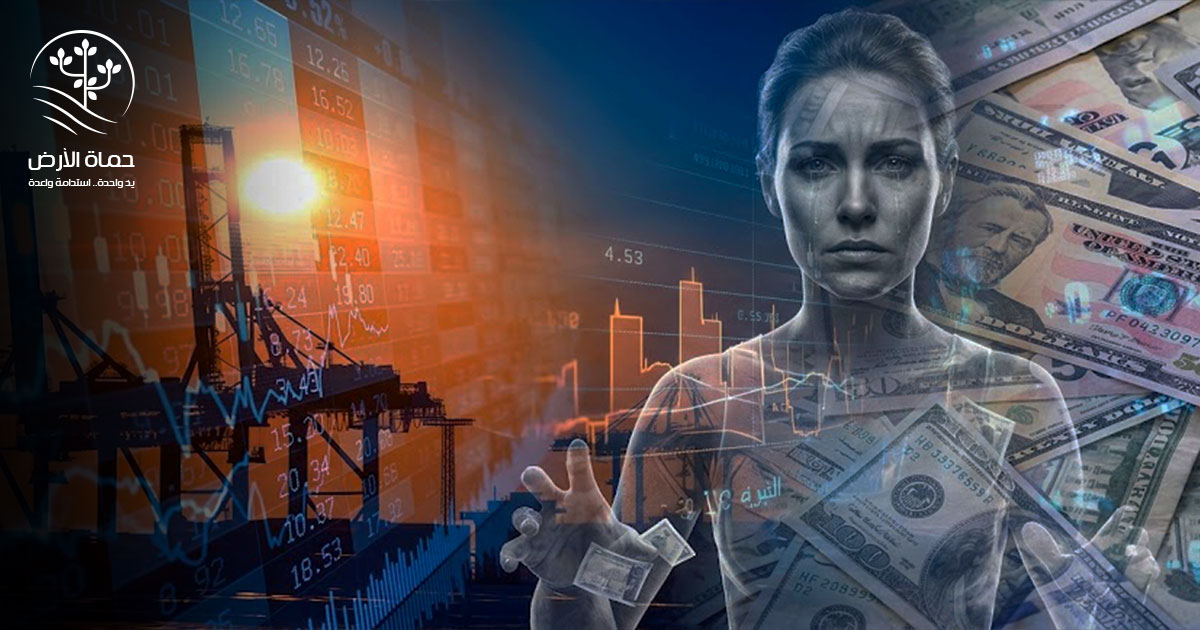

Debt burdens put pressure on societies in developing countries.. Why are women more affected?
Debt burdens in developing countries have increased significantly in recent years, in light of increasing global economic pressures, which has had an disproportionate impact on the most vulnerable groups, led by women. A recent study by the United Nations Development Program that included 85 countries over three decades indicates that rising debt servicing costs push governments to reduce public spending, which leads to a decline in basic services and a greater increase in social and economic burdens on women.
This development intersects withSustainable Development Goals (SDGs), especially Goal 5 related to gender equality, and Goal 1 related to the eradication of poverty, in addition to Goal 10 related to reducing inequalities, as this crisis reveals the existing gaps in the distribution of economic impact. From this standpoint, this article addresses the impact of debt burdens on women in developing countries, the factors that exacerbate the severity of this crisis, in addition to the challenges associated with its management.
Rising debt burdens in developing countries
Data indicate thatdebt burdensin a large number of developing countries have risen significantly over the past decade, as many governments have begun allocating a large percentage of their revenues to repay debts. Estimates show that more than 56 countries spend more than 10% of their government revenues on debt servicing, which limits their ability to finance basic services.
This situation reflects increasing pressures on public budgets, especially in light of the rise in global interest rates and fluctuations in energy prices, which makes debt management more complex. In light of these repercussions, the effects of these pressures are not distributed equally, as women bear the largest share of its repercussions.
Why are women more affected?
Women are more affected by high debt burdens, as a result of their concentration in sectors that depend on government spending, such as education, health care, and social services. As governments move to reduce these expenses, women are the most vulnerable to losing their jobs.
The decline in the state’s role in providing services forces women to bear additional burdens within the family, especially with regard to caring for children and the elderly, which increases the social and economic pressures on them. These pressures are also directly reflected in job opportunities and income, leading to tangible losses in women’s jobs and a decline in their living standards.

Job losses and declining incomes
The increase in debt burdens has led to significant losses in job opportunities for women. Estimates indicate the loss of about 22 million women’s jobs in the short term, with expectations that this number will rise to more than 38 million jobs in the long term.
Estimates also show that countries moving from moderate to high debt levels lead to a decrease in women’s average income by up to 17%, while men’s income is not affected to the same extent. This reflects the disparity in vulnerability between the sexes.
The decline in government spending and its social impact
As debt burdens mount, governments are forced to reduce public spending, especially in the social sectors, which leads to a decline in the quality of health and education services. This directly affects the groups most in need, and exacerbates poverty and inequality.
The decline in these services also reflects on public health, and leads to a decrease in life expectancy, which reflects the deep social dimensions of this crisis.
Causes of worsening debt burdens and proposed solutions
Expectations indicate thatdigital transformationwill continue to play a pivotal role in the development of rural areas, especially with the increasing reliance on remote work and the development of digital technologies, which opens new horizons for these areas to attract economic activities and reduce migration to cities.
The continuation of European initiatives in this field contributes to supporting rural communities and enhancing their ability to innovate, by providing a flexible digital environment that allows for the exchange of knowledge and the development of local solutions that suit the needs of each region.
In this context, investment in digital infrastructure emerges as a key factor in ensuring the sustainability of this transformation. Its role extends to supporting more efficient production and consumption patterns, reducing emissions resulting from mobility, and promoting the use of renewable energy in local activities. In addition, digital transformation contributes to enabling societies to manage their resources more efficiently, whether in agriculture, energy, or water, which supports environmental and economic sustainability at the same time.
This reflects the importance of achieving integration between technology and sustainability, which contributes to building rural communities capable of resilience in the face of challenges, achieving balanced development that reduces the gap between cities and rural areas, and supports Sustainable Development Goals (SDGs) in the long term.

The debt crisis in developing countries reflects a complex challenge that goes beyond economic dimensions, to include profound social impacts, especially on women. As global pressures continue, there remains an urgent need to adopt more balanced policies that ensure the protection of the most affected groups.
In this context,The Earth Guards Foundation believes that achieving sustainable development requires more equitable debt management and enhancing investment in social sectors, which contributes to reducing economic gaps and supporting the path of comprehensive development.


