

The unified card in Egypt is an integrated government system to support digital transformation
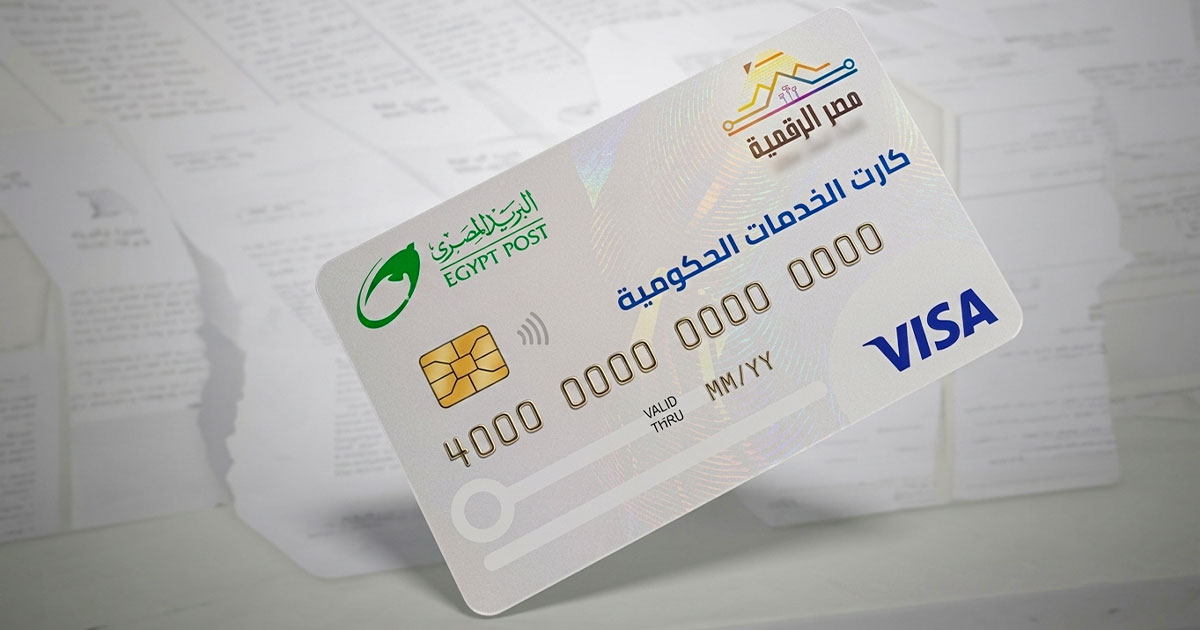

The unified card in Egypt is an integrated government system to support digital transformation
The unified card has become a clear picture of the EgyptianDigital Transformation, after the government revealed accelerated steps to expand the application of this new system and develop all elements of the support system, in a way that serves all citizens in the governorates of the Republic; In implementation of the axes of the national agenda “Egypt Vision 2030”.
This step comes within a broader vision aimed at building a more efficient digital economy, improving the management of public resources, and ensuring that services and support reach those who deserve it with a higher degree of transparency and accuracy, all in one smart card instead of multiple cards.
But, how can an Egyptian citizen benefit from the unified card? This is what the The Earth Guards Foundation answers in the following lines, measuring the impact of this on achieving the Sustainable Development Goals (SDGs), specifically its goals related to digital transformation. So keep reading.
Egyptian Digital Transformation
There are many Egyptian efforts in the field of digital transformation, in conjunction with the global movement with technology variables and artificial intelligence tools. Among these efforts isEgypt Digital PlatformwhichDefenders of the Earth addressed in a previous article, and today Egypt continues these digital services provided to all citizens through the unified smart card.

Earlier, the Ministries of Communications, Information Technology, Supply, and Internal Trade announced the start of activating the system in Port Said Governorate, in preparation for gradual expansion in other governorates before reaching the generalization stage at the level of the governorates of the Republic.
This unified smart card represents a practical step towards modernizing the support system. It is being implemented gradually in the governorates included in the experiment, while providing broader opportunities for governance of support, enhancing financial inclusion, and developing digital government services, whether in health insurance services, catering, solidarity and dignity pension, subsidized fertilizers, or other services.
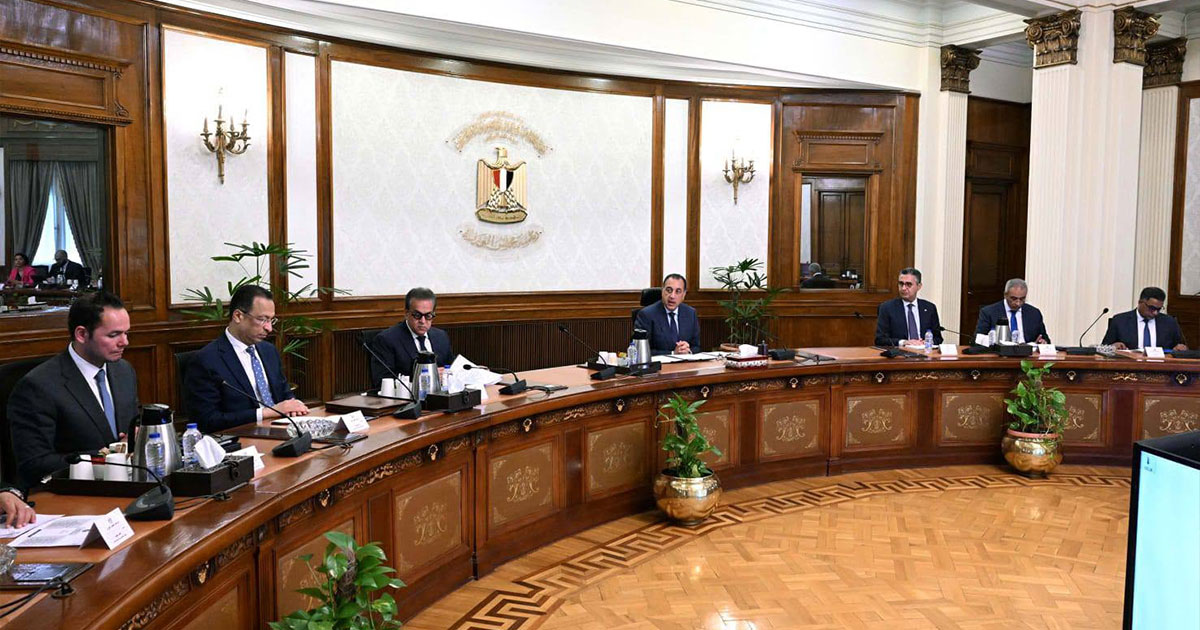
This was confirmed by Dr. Mostafa Madbouly, “Prime Minister,” stressing that the government is very keen on governing support measures with the best possible mechanisms. With a desire for support to reach those who deserve it, and to achieve social justice more effectively.
Concerning this, Engineer Raafat Hindi, “Minister of Communications and Information Technology,” stated in the most recent Cabinet meetings that the objectives of implementing the unified card include:
- Providing a package of services for citizens
- Building a digital economy
- Add flexibility to the support system
- Citizen Services Governance
- Achieving financial inclusion

What is the unified card?
The Unified Government Services Card is a digital smart card that allows the Egyptian citizen to obtain a number of government services and support through one card instead of the multiple cards currently used. It is a card that relies on an advanced digital structure that allows linking various government databases and updating beneficiary data on an ongoing basis, which helps improve the efficiency of services and enhance the accuracy of targeting those eligible for support.
The new system seeks to simplify procedures for citizens, raise the efficiency of government services management, and provide a unified database that helps make more accurate decisions regarding social protection and support programs.
Unified Catering Card
The idea of a unified smart card is based on integrating services related to food support into one card that can be developed in the future. In order to add other government services, in order to achieve greater flexibility in managing the support and services system.
The current stage includes operating services to disburse food supplies and bread to tens of thousands of families, allowing the practical performance of the system to be evaluated, and any operational or technical challenges to be monitored before moving to more extensive stages.
Digital Transformation and Financial Inclusion
The unified smart card is closely linked to the country’s plans for digital transformation and financial inclusion. Because it aims to develop the support disbursement mechanism, with a broader goal of building a more integrated government services system that relies on data and modern technologies.
On the other hand, this digital transformation helps support the state’s efforts in the field of integrating citizens into the official financial system, and enhancing the use of digital tools in government transactions. Thus increasing the efficiency of services and increasing the speed of their provision.

Other targeted benefits include:
- Enhancing Transparency
- Facilitating the updating of beneficiary data
- Improving targeting of groups most in need
- Integration between government databases
The future of the unified card in Egypt
Such current government moves indicate that the unified card is a structural shift in the way government services and social protection are managed. Because each new stage of application opens a wide scope for adding other services within the system, thus enhancing the idea of a single window for government services.
In conclusion, from what she presentedThe Earth Guards Foundation it appears that the unified smart card system is writing a new page in the Egyptian digital transformation journey, when technology intersects with the requirements of social justice and efficient public resource management.
As the scope of the application expands, a more interconnected service structure is formed and is able to keep pace with the changing needs of society. Therefore, the success of the experiment will enhance the path ofSustainable Development Goals (SDGs) in Egypt, and give state institutions more effective tools to provide high-quality services, supporting the building of a more comprehensive, efficient and prepared society for future transformations.


