

Pharmaceutical waste: a silent environmental crisis that threatens water and public health
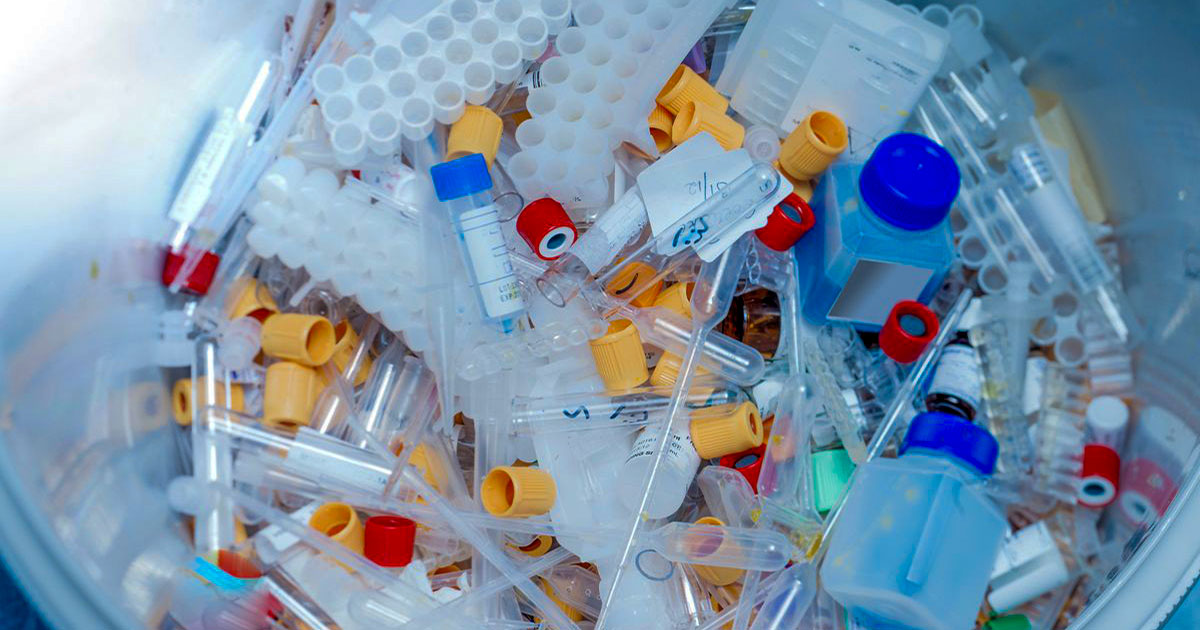

Pharmaceutical waste…a silent environmental crisis that threatens water and public health
Modern medicines have contributed to improving the quality of life and combating many diseases, but the continuous expansion of the use of medical treatments has, in turn, revealed increasing environmental challenges associated with what is known as pharmaceutical waste. With the development of monitoring and analysis methods, studies began to reveal the presence of drug residues and medical chemical compounds within rivers, lakes and groundwater in various regions around the world, raising increasing questions about the long-term effects of these substances on the environment and public health.
It is estimated that there are about 4,000 active pharmaceutical substances used globally, while scientific reviews have monitored hundreds of pharmaceutical compounds within the environmental and aquatic systems of dozens of countries. Recent studies have also shown the presence of pollutionDrugs in water sources across various continents, which reflects the expanding scope of the phenomenon and its transformation into a growing global environmental issue.
Although the detected concentrations are often very low compared to the therapeutic doses used medically, the continued presence of these compounds in the environment for long periods raises concerns regarding cumulative effects on living organisms and ecosystems.
This file is linked to the Sustainable Development Goals (SDGs), especially Goal 3 related to good health and well-being, and Goal 6 related to clean water, in addition to Goal 12 related to responsible consumption and production, as pharmaceutical waste management has become an important part of environmental and health sustainability issues.
How do pharmaceutical wastes reach the environment?
The journey of pharmaceutical waste into the environment begins in multiple ways related to its useMedicines and their disposal, as the human body is often unable to fully consume the pharmaceutical compounds, which leads to parts of the active substances being released through wastewater.
These compounds are transported to water treatment plants, which were not originally designed to removethe complex chemical compoundsassociated with modern medicines, which allows part of these substances to pass into rivers, lakes and coastal waters.
Unsafe disposal of medications also contributes to increasing the scale of the problem, especially with some individuals throwing unused medications into toilets, sinks, or household garbage, which allows chemical compounds to leak into the soil and groundwater.
Studies conducted by the US Environmental Protection Agency showed the presence of at least one active pharmaceutical substance in all water samples.emerging from some of the treatment plants that were subjected to inspection, which reflects the expansion of the scope of pharmaceutical pollution within aquatic systems, and this highlights the gradual shift in the nature of environmental pollution, as pollutants now include fine chemical compounds whose effects are difficult to monitor directly.

Pharmaceutical waste and its impact on water and wildlife
Aquatic ecosystems represent one of the environments most affected by the spread of pharmaceutical waste, especially with organisms within rivers and lakes being constantly exposed to these compounds.
Studies indicate that some artificial hormones used in medicines may affect the biological systems of fish and aquatic organisms, even when present in very low concentrations, as they can cause the phenomenon of “feminization of male fish” and transform their biological characteristics,Which threatens reproduction and biological balance.
Some veterinary medications have also been linked to a sharp decline in the numbers of wild animal species, and one of the most prominent examples of this is the veterinary drug “diclofenac,” which contributed to the decline in the number of eagles in South Asia during the 1990s after they suffered kidney failure as a result of feeding on the remains of animals treated with the drug.
These examples reveal the strong interconnectedness between human activities and ecosystem health, where small-scale pharmaceutical compounds may have large-scale impacts on biodiversity and ecological balance. This also reflects the importance of developing environmental and health policies that take into account the entire life cycle of medicines, from production and use to safe disposal of waste.
Antibiotics and the dangers of resistant bacteria
Represents antibiotic resistanceBioavailability is one of the most worrisome issues associated with pharmaceutical waste at the global health level. When antibiotics reach rivers and sewage networks, they may create an environment that helps some types of bacteria develop gradual resistance to the treatments used, which increases the possibility of the emergence of bacterial strains that are difficult to treat with conventional antibiotics.
The World Health Organization considers antibiotic resistance one of the most prominent health challenges currently facing the world, especially with its direct impact on the effectiveness of medical treatments and the ability to confront bacterial infections in the future. This issue also raises growing concerns about the relationship between environmental pollution and public health, as water contaminated with pharmaceutical compounds has become part of the factors that may influence the development of drug-resistant bacteria.
This highlights the need to strengthen oversight ofUse of antibiotics and improvement of water treatment systems, in addition to raising community awareness of ways to safely dispose of medicines.
The pharmaceutical industry and agriculture are sources of pollution
The spread of pharmaceutical waste is not only related to the home use of medicines, but also extends to some industrial and agricultural activities. In some industrial areas, water leaving pharmaceutical factories may contain relatively high concentrations of pharmaceutical chemical compounds, especially in areas close to major manufacturing centers.
Animal farming also plays an additional role in transferring residues of antibiotics and hormones to the environment, through animal waste and agricultural runoff that reaches rivers and groundwater.
Reports indicated that some of the highest levels of pharmaceutical pollution were recorded near manufacturing centersPharmaceutical production in India and China, which reflects the importance of industrial and environmental control in reducing the transfer of these compounds into environmental systems. This reflects the increasing interconnection between industry, agriculture, health and the environment, as chemical waste management has become an essential element in protecting natural resources and reducing long-term pollution.
Solutions for reducing pharmaceutical waste
Confronting the pharmaceutical waste crisis requires work on several levels, including technology, legislation, and community awareness. The importance of developing water treatment technologies capable of removing drug compounds more efficiently, such as active carbon techniques, advanced oxidation, and modern biological treatment, is highlighted.
Some countries are also expanding take-back programs for unused medications, allowing them to be collected and disposed of safely instead of throwing them into drainage networks.Or household waste.
At the same time, some researchers are moving to develop the concept of “green pharmacy,” which focuses on designing medicines that decompose more quickly within the environment after the end of their therapeutic role, through responsible management of the drug’s life cycle that includes safe storage and proper disposal, while rationalizing the use of resources and supporting sustainable health care.
Also, recent research includes the use of bacteria, fungi, and algae to break down pharmaceutical compounds and transform them into less harmful substances, which may represent one of the most promising solutions in the future to address this type of pollution.
Health Sustainability and Protection of Water Resources
The pharmaceutical waste crisis reflects the growing challenges associated with achieving a balance between medical progress and environmental protection, especially with the increasing global consumption of medicines and rising pressures.On water resources. It also highlights the importance of adopting more integrated health and environmental policies that take into account the life cycle of medicines and their extended effects on ecosystems and human health.

This is directly related to the concept of health sustainability, which focuses on developing health care systems capable of meeting human needs without causing long-term damage to the environment and natural resources.
In this context,The Earth Guards Foundation highlights the importance of promoting responsible management of pharmaceutical waste, as it represents an important step to protect water, biodiversity, and public health, and in a way that supports a more balanced and sustainable future for future generations.


