

South Korea to Host International Space Summit 2026 to Discuss Future of Space Economy
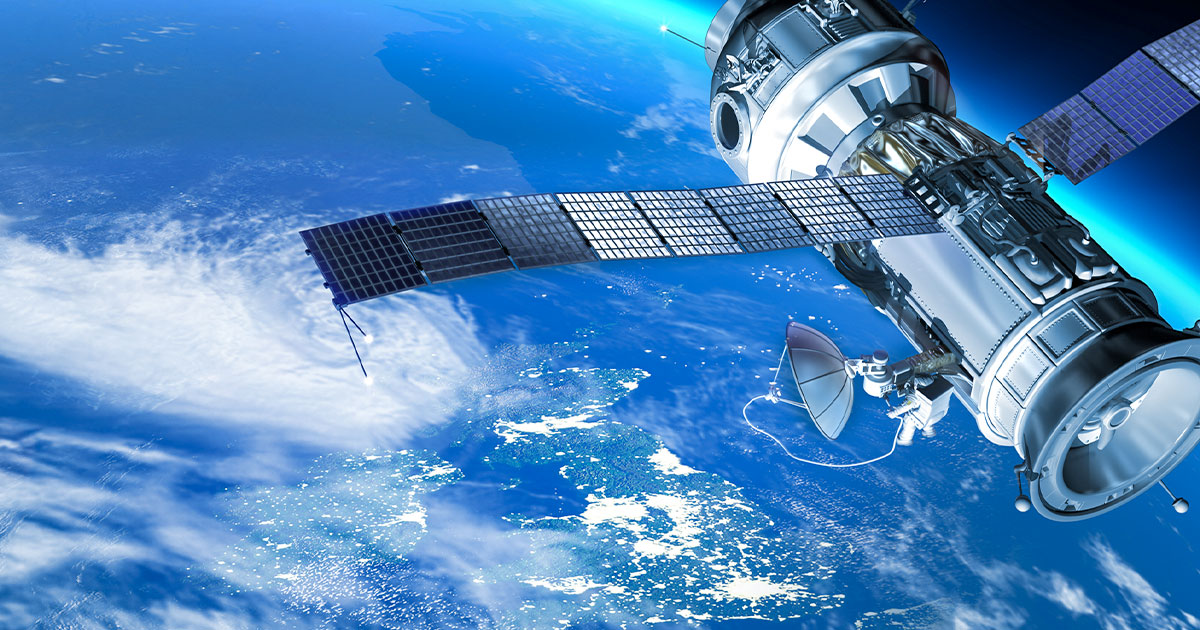

South Korea hosts the 2026 International Space Summit to discuss the future of the space economy
Competition between countries has become widespread in many sectors that constitute a major issue, which is the global economy, including the space economy, as governments, research institutions, and major companies are racing to strengthen their presence in this sector based on knowledge and innovation.
In this context, the International Space Summit 2026 was launched in the South Korean city of Daejeon, with wide participation that reflects at the present moment the importance of international cooperation and its great role in supporting the future of the space sector in accordance with the Sustainable Development Goals (SDGs).
How did the Space Summit become a global collaboration?
Last year he participated in the summitThe International Space Center had more than 3,500 participants from 41 countries. As for the fourth edition, which was held between June 16 and 18, more than 4,000 specialists participated in it, representing 550 institutions from 50 countries, making it the largest edition in the history of the summit. To enhance partnerships between governments, research institutions, and the private sector concerned with this field.
The summit was organized in cooperation between the CONTEC Space group and the city of Daejeon, in an international gathering that included space agencies, academic institutions, private companies, and other startups. In order to review the latest developments and discuss future cooperation opportunities in the space economy sector.
This summit came at a time witnessing the expansion of commercial and scientific space activities, making this summit one of the most prominent specialized events in Asia. Which achieves the ninth goal of the Sustainable Development Goals (SDGs): industry, innovation and infrastructure, as well as the seventh goalTen: Establishing partnerships to achieve goals.

Why was Daejeon chosen?
There is no doubt that choosing the city of Daejeon to host the summit highlights the growing position that South Korea occupies in the global space sector, as the city is known as the capital of science and technology in the country, and includes a group of the most prominent institutions working in the fields of space and scientific research.
This South Korean city also hosts the Korea Space Research Institute (KARI), and the Korean Astronomy and Space Sciences Institute (KASI), in addition to a number of institutions related to the defense and technological industries.
In addition to the above, Daejeon plays a pivotal role in the national strategySouth Korea’s space sector development center, as it is a specialized research and development center, and its activities are integrated with other areas dedicated to satellites and space launch operations.
What issues did space sector leaders discuss?
The summit highlighted a number of issues related to the future of the space economy, in light of the expansion of commercial and research activities associated with it. Discussions included topics such as:
- Sustainable development in space
- Emerging Technologies
- Business Expansion Strategies
- Strengthening space partnerships
On the other hand, the summit’s activities included dialogue sessions, technical presentations, and specialized exhibitions, in which the latest innovations were reviewed.And solutions that can contribute to supporting the growth of the space sector in the coming years.
How does the space economy achieve sustainable development?
It is worth mentioning here that space applications extend to many areas related to the life of modern societies and economies, which has made the space economy one of the sectors that can achieve the goals of sustainable development.

The role of the space economy in achieving Sustainable Development Goals (SDGs) is evident through the contribution of space technologies in a number of vital fields, the most prominent of which are:
- Monitoring climate changes and monitoring various environmental phenomena with satellites.
- Natural disaster management, early warning systems support, and responseFor emergencies.
- Improving communications and navigation systems, thus enhancing the efficiency of transportation and digital services.
- Supporting smart agriculture by monitoring crops and managing water resources more efficiently.
- Managing natural resources, and monitoring changes occurring in lands, forests, and water bodies.
- Providing the necessary data for scientific research, which helps develop and address environmental and economic challenges.
Space economy and the future of international partnerships
What was revealed by the activities of the International Space Summit 2026 in the South Korean city of Daejeon is the rapid transformation that the space economy is witnessing. Partnerships between governments, the private sector, and research institutions have become the most prominent element in…Driving the wheel of innovation.
Finally, the International Space Summit in its fourth edition offers a broader perspective on the concept of economic power, whichEarth Defenders Foundationdiscussed in the previous lines; Emphasizing the importance of employing scientific wealth in building a more sustainable and just development model, which makes space an extension of human beings’ responsibility towards their planet.


