

ارتفاع حرارة البحار حول إسبانيا يسجل مستويات قياسية في صيف 2026
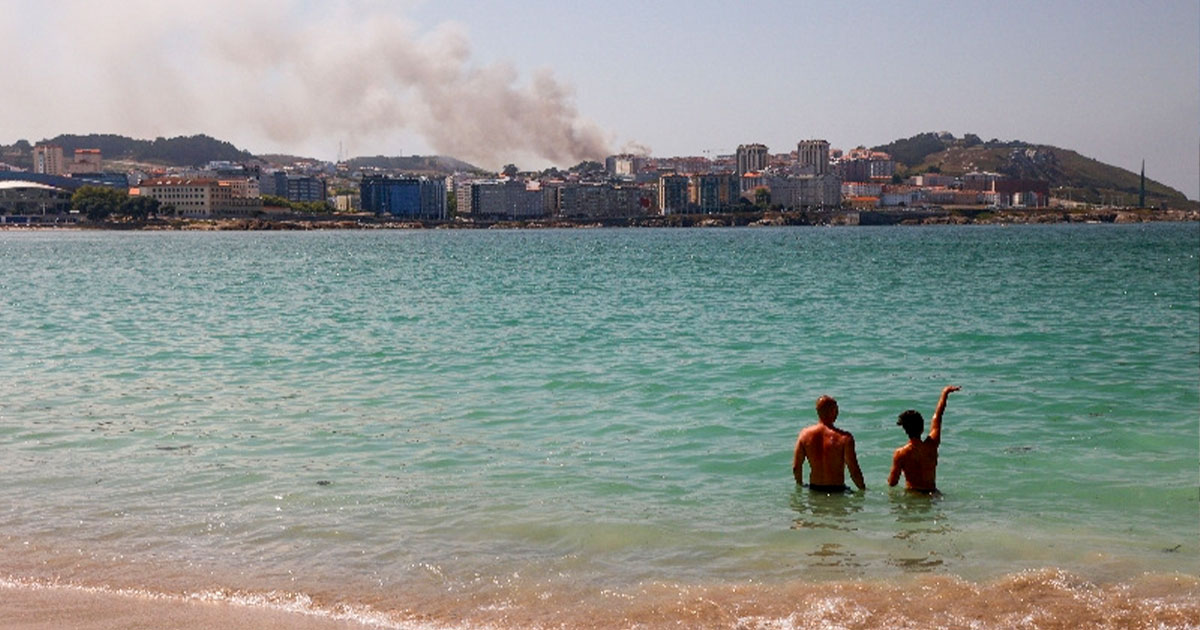

ارتفاع حرارة البحار حول إسبانيا يسجل مستويات قياسية في صيف 2026
سجل ارتفاع حرارة البحار حول إسبانيا مستويات قياسية خلال صيف 2026، بعدما رصدت عدة محطات في البحر المتوسط وعلى الساحل الأطلسي أعلى درجات حرارة للمياه في تاريخ قياساتها، وفق هيئة الموانئ الإسبانية.
وجاءت الأرقام الجديدة في وقت حذر فيه علماء من أن تغير المناخ الناتج عن النشاط البشري أصبح المحرك الرئيسي للارتفاعات القياسية Latest في درجات حرارة البحار المحيطة بأوروبا، مع آثار محتملة على النظم البيئية البحرية والمجتمعات الساحلية.
وتزامن الاحترار البحري مع صيف شديد الحرارة على اليابسة، إذ سجلت إسبانيا عددًا قياسيًّا من الأيام التي خضعت لموجات حر خلال العام الجاري، ما يعكس امتداد درجات الحرارة المرتفعة بين البحر واليابسة.
حرارة البحار تسجل أرقامًا قياسية
أظهرت بيانات هيئة الموانئ الإسبانية تسجيل أعلى درجات حرارة للمياه منذ بدء القياسات بواسطة عوامات الرصد في مواقع مختلفة حول البلاد.
وشملت الأرقام القياسية مناطق في البحر المتوسط، إلى جانب أجزاء من الساحل الأطلسي وخليج بسكاي شمال إسبانيا، ما يشير إلى اتساع ظاهرة ارتفاع حرارة البحار عبر نطاق جغرافي واسع.
وتعزز هذه القياسات التحذيرات العلمية بشأن استمرار الاحترار البحري حول أوروبا، خاصة مع تكرار موجات الحر وارتفاع درجات الحرارة خلال أشهر الصيف.

33 درجة قرب جزر البليار
سجلت عوامة دراجونيرا في جزر البليار درجة حرارة بلغت 33.02 درجة مئوية في 5 أغسطس، وهي أعلى قيمة تسجلها شبكة عوامات هيئة الموانئ الإسبانية على الإطلاق.
كما سجلت معظم العوامات في حوض ليفانتي-البليار بالبحر المتوسط مستويات محلية قياسية خلال الصيف، فيما بلغت حرارة المياه قرب تاراغونا 30.7 درجة مئوية، وسجلت برشلونة 30.5 درجة في 9 أغسطس.
وتكشف هذه المستويات حجم ارتفاع حرارة البحار في غرب المتوسط، وهو من المناطق التي تشهد تأثيرات متزايدة للاحترار خلال السنوات Latest.
ولفهم أوسع لاتجاهات ارتفاع حرارة البحار وتأثير موجات الحر والجفاف عليها، اقرأ أيضًا: حرارة البحار تسجل أعلى مستوى في يوليو وسط موجات حر وجفاف.
الأرقام تمتد إلى شمال إسبانيا
امتدت المستويات القياسية إلى مناطق أخرى بعيدة عن سواحل المتوسط، إذ سجلت عدة عوامات في خليج بسكاي درجات حرارة غير مسبوقة.
وفي 23 يونيو، سجلت عوامة قرب مدينة باسايا الشمالية 28.4 درجة مئوية، بينما سجلت عوامة أخرى مزودة بمستشعر لدرجة الحرارة منذ عام 2006 مستوى قياسيًّا بلغ25.27 درجة في 12 أغسطس.
ويشير امتداد الأرقام القياسية من المتوسط إلى شمال إسبانيا إلى أن الظاهرة لا تتركز في منطقة واحدة، ما يزيد أهمية متابعة تغير درجات حرارة المياه وتأثيراتها المحتملة على البيئات البحرية المختلفة.
تغير المناخ وراء الاحترار
كان علماء قد أشاروا في أغسطس إلى أن تغير المناخ الناتج عن النشاط البشري يمثل العامل الرئيسي وراء المستويات القياسية Latest لحرارة البحار حول أوروبا.
ويحمل استمرار ارتفاع حرارة البحار مخاطر على النظم البيئية البحرية التي تعتمد عليها كائنات عديدة، كما قد يؤثر في المجتمعات الساحلية المرتبطة اقتصاديًا بالغذاء والصيد والأنشطة البحرية.
ويتقاطع ذلك مع الهدف الرابع عشر من أهداف التنمية المستدامة المعني بالحياة تحت الماء، خاصة أن تغير درجات حرارة البحار يمكن أن يضيف ضغوطًا جديدة على النظم البحرية وقدرتها على الحفاظ على توازنها.

الحرارة تمتد إلى اليابسة
لم تقتصر درجات الحرارة القياسية في إسبانيا على البحار، إذ سجلت البلاد خلال 2026 61 يومًا تحت ظروف موجات الحر في البر الرئيسي وجزر البليار، وفق هيئة الأرصاد الجوية الإسبانية AEMET.
ويمثل هذا الرقم أعلى مستوى مسجل، متجاوزًا الرقم السابق البالغ 41 يومًا في عام 2022، ما يعكس شدة الحرارة التي شهدتها البلاد خلال العام.
ويتقاطع تزامن الحرارة الشديدة على اليابسة مع ارتفاع حرارة البحار مع الهدف الثالث عشر من أهداف التنمية المستدامة المعني بالعمل المناخي، في ظل تزايد الحاجة إلى تعزيز القدرة على التكيف مع موجات الحر والتغيرات التي تشهدها النظم الساحلية والبحرية.
وفي ضوء هذه التطورات، تشير Earth Guards Foundation إلى أن الأرقام القياسية المسجلة حول إسبانيا تبرز اتساع تأثير الاحترار بين البحر واليابسة، وتؤكد أهمية متابعة ارتفاع حرارة البحار باعتباره مؤشرًا يرتبط بصحة النظم البحرية وقدرة المجتمعات الساحلية على مواجهة آثار تغير المناخ.


