

How does digital technology contribute to developing a sustainable health system in Egypt?
How does digital technology contribute to developing a sustainable health system in Egypt?
Egypt is pushing its health sector towards a new stage that relies on technology as an essential element for developing the health system in line with the requirements of the times, and with the global transformations that make digitization and artificial intelligence an integral part of building comprehensive care systems, investment in health technology is emerging as a strategic option for the real development of the health system and its sustainability.
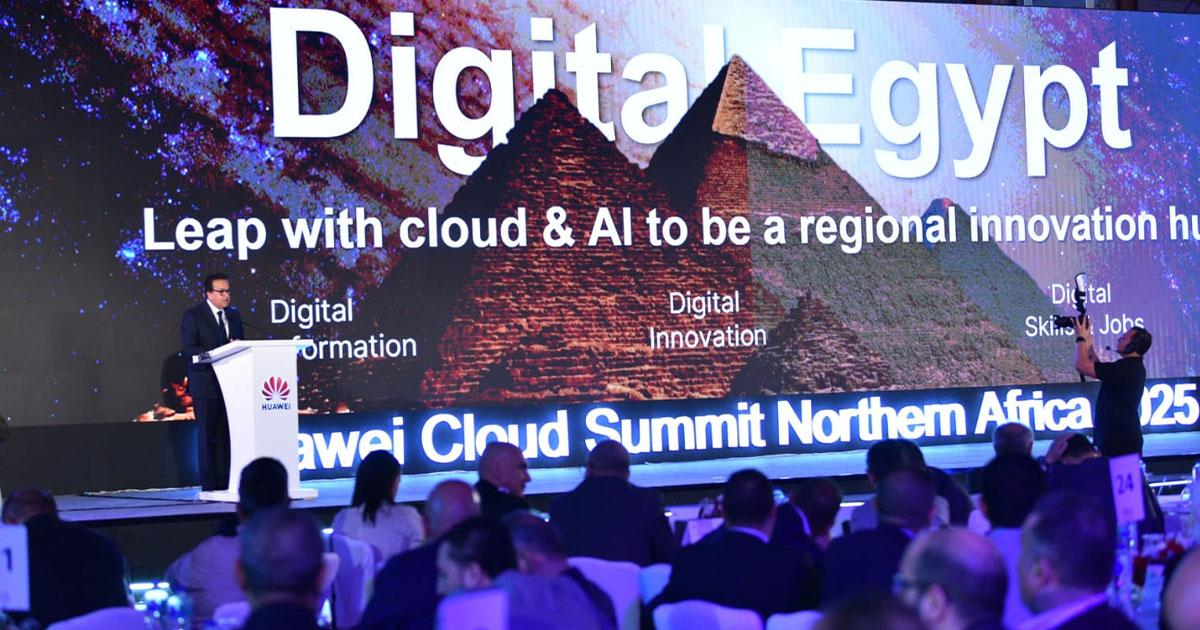
In this context, Dr. Khaled Abdel Ghaffar, Deputy Prime Minister and Minister of Health and Population, witnessed the “Huawei Cloud Summit for North Africa”, which discussed the role of cloud computing and artificial intelligence in vital sectors, most notably health, which reflects the state’s awareness that the future of medicine will not be built on traditional infrastructure only, but rather on a smart and secure digital system.

This attendance reflects the state’s awareness of the importance of digital transformation in achieving the Sustainable Development Goals (SDGs), especially Goal (3) related to good health and well-being, and Goal (9) related to industry, innovation, and infrastructure. At the same time, it indicates a strategic awareness that technology has become a key partner in formulating long-term health policies that ensure safety and efficiency.
Digital transformation is a pillar for rebuilding the health system
The Minister stressed during his speech that digital transformation has become a fundamental pillar for developing the health sector in Egypt, as cloud infrastructure contributes to enhancing the efficiency of services and expanding the scope of health coverage fairly. He explained that this infrastructure represents the backbone of a system capable of responding to crises and achieving sustainability of medical and human resources.
Adopting cloud solutions stands out as a strategic step that redefines the way medical data is managed and resources are allocated. Which makes the health system more able to adapt to changes. Through digital analysis and artificial intelligence applications, indicators can be accurately monitored, performance can be evaluated in real time, and health policies based on evidence and data can be formulated.

Protecting health data is a national priority
One of the most prominent topics that the minister addressed was securing health data for citizens as it is a national wealth no less important than natural resources. He pointed out that transferring and storing medical data via an advanced cloud infrastructure imposes a strict commitment to protecting privacy and adopting transparent information systems, which ensures continuity of service and builds trust between citizens and state institutions.
The minister also praised Huawei’s solutions that comply with international data protection standards. This gives health institutions the ability to expand the use of cloud technology without compromising information security, and this comes in light of the national trend towards establishing an interconnected digital health system that allows secure data exchange between hospitals, care centers and regulatory bodies.
Artificial intelligence and the role of data in decision making
Integrating artificial intelligence into the Egyptian health system represents one of the main keys to the transition towards a smart and sustainable health system. The Minister explained that these technologies, in addition to being used to analyze indicators or predict health trends; They play a pivotal role in allocating medical resources, prioritizing health interventions, and developing faster and more accurate crisis response plans.
This combination of artificial intelligence and cloud computing allows the creation of a “digital brain” for the health system, capable of learning from data and improving performance over time. As this system develops, Egypt can build a health model based on proactive expectations instead of traditional response, which is consistent with the Sustainable Development Goals (SDGs) of reducing waste and achieving resource efficiency.

Empowering cadres and creating the digital infrastructure
Dr. Khaled Abdel Ghaffar stressed that the success of digital transformation does not depend on technology only, but also on the human being capable of operating and developing it. Therefore, qualifying young cadres represents a major focus of the national strategy. Abdel Ghaffar praised Huawei’s efforts to support building digital capabilities and providing specialized training, considering that investing in the human element is the guarantee for the sustainability of this transformation.
He also explained that building an integrated cloud infrastructure is part of redesigning the entire health system. To become more cohesive and flexible, this trend opens the way for the use of technology to reduce the gaps between different regions and ensure equal access to health services for all citizens.

Technology and Sustainable Development Partnership
The cooperation between the Ministry of Health and global technology companies such as Huawei reflects a deep understanding of the relationship between innovation and sustainable development. Health technology – in addition to improving medical services – contributes to achieving broader goals that include social justice, reducing costs, and reducing emissions resulting from transportation by enhancing remote care services.
This partnership places Egypt on the map of countries that use technology as an essential element in formulating development policies, and as these efforts continue,the cloud infrastructurehealth infrastructure in Egypt could become a regional model for implementing the concept of “sustainable health” that combines efficiency, safety, and quality of life.
Based on the above, the Egyptian approach reflects the integration of health into the sustainable development system as a basic pillar for the stability and growth of societies. Building a secure digital health system protects the lives of individuals, and also establishes an infrastructure capable of confronting global health crises and adapting to climate and social transformations.
Therefore, theThe Earth Guards Foundation calls for the need to enhance investment in data, technology, and people together; In order for Egypt to open a strategic path to build an integrated system that goes beyond the boundaries of traditional medical service, and links innovation, social justice, and environmental sustainability, this reformulates the relationship between health and development, and makes the health sector a major driver for achieving sustainable development in its various dimensions.


