


In light of the effects of wars and escalating crises... How do major countries seek to enhance energy security?
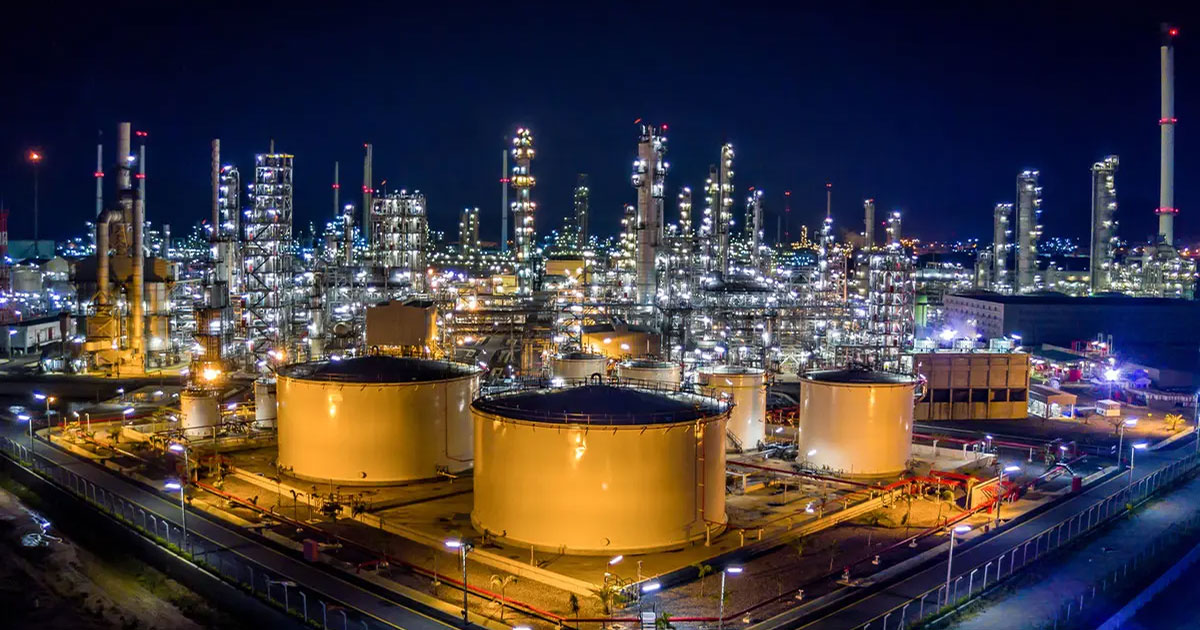

In light of the effects of wars and escalating crises.. How do major countries seek to enhance energy security?
The world is witnessing a new wave of concern about the energy security file with the escalation of geopolitical tensions in the Middle East and the subsequent turmoil in global energy markets. The closure of the Strait of Hormuz, one of the most vital corridors for oil and gas trade, has led to a rise in the prices of energy and many related commodities such as fertilizers and industrial products, which has re-highlighted the ability of major economies to secure their energy needs in times of crises, and to achieveclean and affordable energy; That is, the seventh goal of the Sustainable Development Goals (SDGs).
In light of these developments, there is renewed debate about the resilience of energy systems in major economies, especially those that depend to varying degrees on imports to meet their needs. Energy security emerges here as a crucial factor in determining the ability of countries to confront global market shocks and maintain the stability of their economic sectors, in order to achieve the twelfth goal of the Sustainable Development Goals (SDGs): responsible consumption and production.
In this context, this article deals with a comparison between three of the largest economies in the world - the United States, Europe and China - in terms of their level of energy security, by analyzing the degree of each of them’s dependence on domestic production versus imports, and the extent of their ability to deal with supply disruptions in light of the escalating geopolitical crises.
The United States and enhancing energy security through domestic production
The United States appears in an advanced position on the map of global energy security, and this is largely related to the transformations that the energy sector has witnessed during the past two decades. The shale oil and gas revolution has led to a significant increase in domestic energy production since the mid-2000s, which has enhanced the country's ability to meet its needs from internal sources.
Data indicate that the percentage of energy that the United States obtains from domestic resources has risen from about 75% in 2010 to more than 108% in 2024, driven by a significant increase in oil and natural gas production. This transformation has contributed to reducing the US economy’s dependence on imports, which has strengthened its position among the countries most capable of facing turmoil in global energy markets.

However, a high level of energy security does not necessarily mean stable energy prices within the local market. Fuel prices in the United States are still linked to the movement of global markets, as refining companies depend on international oil prices. The recent geopolitical escalation has led to a rise in gasoline and diesel prices within the United States by more than 50% within one month, in a direct reflection of global market fluctuations.
Natural gas is an additional pillar of American energy security
In parallel with the boom in oil production, natural gas has played an increasingly important role in enhancing energy security within the United States. Domestic gas production has increased significantly since 2010, which has allowed for increased use in electricity generation and the expansion of liquefied natural gas exports.
Data indicate that the share of natural gas in electricity generation rose from about 24% in 2010 to more than 42% in 2024, which reflects the growing role of this source in the American energy mix. The expansion of production also contributed to transforming the United States into one of the largest exporters of liquefied natural gas in the world.
Liquefied natural gas exports rose from less than half a million tons in 2015 to nearly 108 million tons in 2025, strengthening the United States’ position as a major energy supplier in global markets, especially for countries seeking to diversify their sources of supply. While this development reflects the strength of the United States’ position in the global energy security equation, the picture appears different in other regions of the world, especially in Europe, which relies to a greater extent on energy imports to meet its needs.
Europe and energy security challenges
On the other side of the spectrum, Europe faces greater energy security challenges as a result of its extensive dependence on imports to meet its energy needs. It is estimated that about half of the continent's energy needs come from external sources, which makes its economies more vulnerable to fluctuations in global markets.
Recent years have witnessed a noticeable shift in the energy sources on which Europe depends, especially after the decline in Russian supplies following the war in Ukraine. In this context, European countries tended to increase their imports of liquefied natural gas, especially from the United States, in an attempt to compensate for the lack of traditional supplies.
Although this shift helped fill part of the supply gap, it did not end the challenges associated with energy security on the continent. Replacing one resource with another does not negate the fact that the European energy system is still highly dependent on imported energy, which leaves it vulnerable to market fluctuations and geopolitical crises.
China between domestic production and dependence on imports
On the other hand, China stands in a middle position within the global energy security equation, as it combines large domestic production capabilities with widespread reliance on imports to meet the growing demand for energy. As the world's second-largest economy and one of the largest energy consumers, China relies on a diverse mix of sources that include coal, oil, gas, and renewable energy.
Although China has a large domestic production of coal, which constitutes a major source of electricity generation, it remains the largest importer of oil and gas in the world to meet the needs of the industrial and transportation sectors. This balance between domestic production and imports makes China's energy security level more flexible compared to some fully importing economies, with the Chinese economy remaining vulnerable to fluctuations in global markets in the event of major disruptions in energy supplies.
In this context, China is working to enhance energy security by diversifying import sources and expanding its strategic oil reserves, in addition to intensive investment in renewable energy and energy infrastructure. In pursuit of the goal: clean and affordable energy. This strategy contributes to reducing the risks associated with geopolitical crises that may affect the flow of global supplies.

Energy sustainability in the future of the global economy
The comparison between major economies reflects a clear difference in levels of energy security, mainly related to the degree to which each economy relies on domestic production compared to imports. Countries with abundant domestic energy resources enjoy greater resilience in the face of crises, while import-dependent economies face greater pressure when disruptions occur in global markets.
These disparities are clearly evident in times of geopolitical crises that affect global supply chains. In such circumstances, the ability to secure energy locally becomes an important factor in maintaining economic stability and avoiding severe price shocks.
In a broader context, enhancing energy security is also linked to sustainability goals, as diversifying energy sources between local production and imports, in addition to expanding renewable energy sources, contributes to building energy systems that are more flexible and able to adapt to crises. This diversity also helps reduce the risks associated with excessive reliance on a single energy source, which supports economic stability and enhances the ability to achieve more sustainable economic development in the long term.
Finally, recent developments highlight the increasing role that energy security plays in stabilizing the global economy. Supply disruptions and high prices directly affect inflation rates and economic growth, and also affect international trade and industrial activities.
The Earth Guards Foundation believes that achieving long-term energy security requires a combination of policies that include developing clean energy sources, promoting innovation in energy technologies, and reducing dependence on external supplies, which intersects with the Sustainable Development Goals (SDGs) associated with providing clean and reliable energy and supporting stable economic growth.


