


How are the Sustainable Development Goals (SDGs) reshaping different industry sectors?
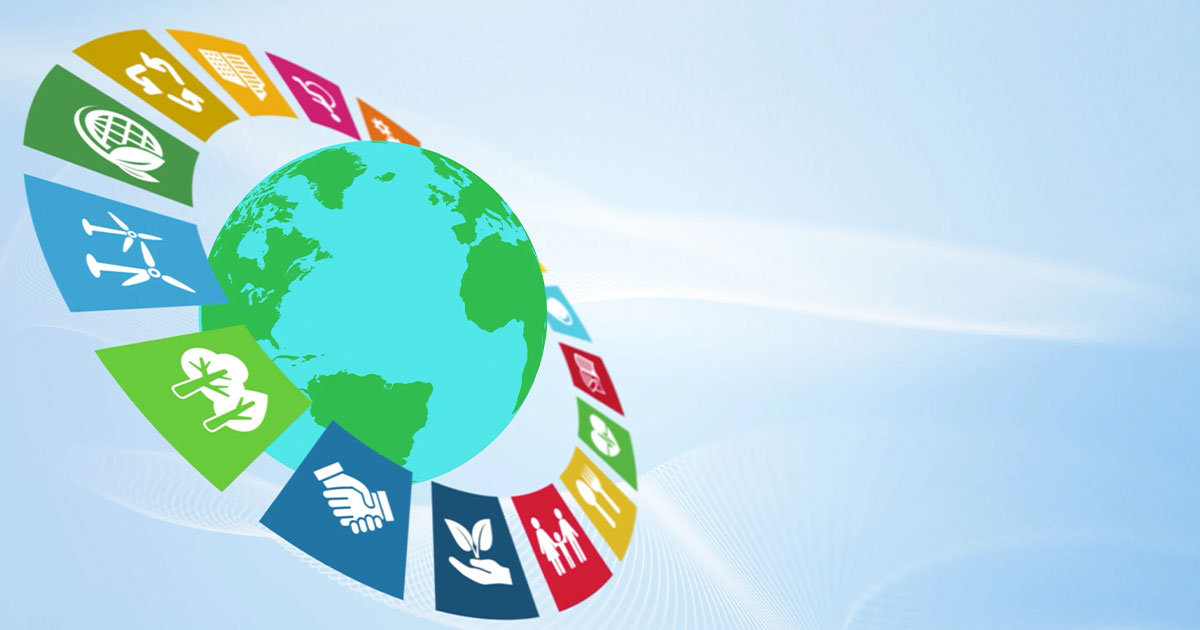

How do the Sustainable Development Goals reshape different industry sectors?
In a world facing increasing social, economic, and environmental challenges, sustainable development has become a major focus for economic and industrial decision-making, and has transformed from a theoretical framework into an action plan for companies and industrial institutions to achieve sustainable growth, promote innovation, and ensure accountability to societies.
With the world facing social inequality, digital acceleration, and climate change, the Sustainable Development Goals, adopted by all member states of the United Nations in 2015, represent a global vision; It is a road map for reshaping the work of industries. As these goals become increasingly important in guiding business models, production systems, and holding stakeholders accountable, major companies and factories are rushing to implement them and put them into effect.
By the end of 2025, we find ambitious companies having transcended the concept of traditional social responsibility; It has begun to integrate sustainability principles into its core strategies, value chains and innovation cycles, achieving a balance between profit and purpose.
Earth Defenders FoundationIn this article, we discuss how the Sustainable Development Goals are reshaping various sectors of industry, and what organizations need to do to remain relevant, responsible and resilient in a rapidly transforming world.
What are the Sustainable Development Goals?
The seventeen sustainable development goals fall within the United Nations’ 2030 agenda, and aim to address interconnected global challenges, ranging from poverty, education, and gender equality, to climate action, sustainable industry, and promoting peace. Each goal is also accompanied by a set of specific indicators and targets, thus becoming a global call to action that guides governments, companies, and civil society institutions alike.

The importance of sustainable development goals for the industrial sector
The Sustainable Development Goals play a pivotal role in the industrial sector. It allows:
- Developing a framework for sustainable innovation within companies and their projects.
- Improve risk management and regulatory compliance to enhance efficiency and legal responsibility.
- Enhancing the reputation and confidence of stakeholders, including customers, partners, and the local community.
- Opening the horizons of financing and investment directed towards positive impact to support sustainability and sustainable growth.
Why are the UN Goals a business strategy?
With the increasing global focus on sustainable development, its goals have become an influential part of the way companies operate and evaluate their performance. This is done across several fields, the most prominent of which are:
Changing investor expectations
Environmental, Social and Governance (ESG) standards have now become major references for investment, and asset managers continue to increasingly demand proof of companies’ compliance with SDG indicators. According to a PricewaterhouseCoopers report (a London-based professional services company), 79% of investors believe that adherence to the SDGs enhances long-term financial performance.
Change in consumer behavior
Millennials and Generation Z are increasingly demanding transparency and accountability, as they increasingly desire to support brands that actively contribute to social good and enhance resilience to environmental challenges.
Escalating regulatory pressures
Governments tighten climate disclosure requirements and introduce green procurement standards; Industries that proactively embrace the SDGs have a better advantage in terms of compliance and competitiveness development.

How are the Sustainable Development Goals reshaping industrial practices?
With the acceleration of the shift towards a more sustainable economy, industries are required to reconsider their business models in line with sustainable development goals. The international goals also provide a practical framework that pushes companies to modernize their technologies, rationalize their resources, and enhance their environmental and social responsibility. Here we mention some of those goals and their effects on industries:
Goal 7: Provide clean energy at affordable prices
Industries are increasingly investing in renewable energy sources, energy efficiency, and decarbonization technologies; To reduce emissions and reduce operating costs, the most prominent examples of this are:
- Converting production factories toSolar energyand wind energy.
- Data centers rely on green cloud computing.
- Urban logistics rely on fleets of electric vehicles.
Goal 8: Decent work and economic growth
The technologies of the Fourth Industrial Revolution play a dual role; It can empower or exclude workers unless used consciously. Commitment to Goal 8 of the Sustainable Development Goals means ensuring:
- Providing fair wages and ensuring safe working environments.
- Rehabilitating employees through lifelong learning programs.
- Adopt comprehensive employment policies that guarantee equal opportunities for all.
Goal 9: Industry, Innovation and Infrastructure
This goal is closely linked to the path of industrial digitization, which forces companies to modernize their operational structure and develop more efficient and flexible production technologies, and includes:
- Developing a flexible infrastructure that supports rapid response across supply chains.
- Creating smart factories based on the Internet of Things, artificial intelligence, and robotics.
- Building platforms for open innovation that allow cooperation and knowledge exchange between different parties.
Goal 12: Responsible consumption and production
Today's consumer awareness is increasingly demanding greater transparency about how goods are produced and where they come from. Industries respond to these questions via:
- Redesigning products in line with circular economy principles.
- Adopting life cycle assessment (LCA) methods to measure environmental impact across all production stages.
- Reducing waste by adopting “zero waste” policies and improving use efficiency.
Goal 13: Climate Action
Sustainability today has become a pivotal element in business strategies. As climate risks are now translated directly into financial and operational risks, and to respond to the requirements ofGoal 13, industries are turning to:
- Adopting specific scientific objectives; To reduce emissions according to internationally approved methodologies.
- Engaging in carbon markets through offset mechanisms and verifiable emissions reductions.
- Integrating climate resilience concepts into the company’s core operations.

Sustainable Development Goals in Action
With the growing focus on sustainability within business strategies - as we mentioned before - various sectors have begun to translate these principles into clear practical practices. This is highlighted in various examples that show how sustainable development goals can be embodied within major industries around the world, including:
Automotive sector
The automotive sector is going through a radical transformation, from increasing reliance on electric vehicles to adopting responsible mining practices (according to strict environmental and social standards); This prompted companies to re-evaluate their sustainability across the entire value chain, and this transformation is clearly evident in the practices adopted by leading global companies, including:
- Global automotive companies’ commitment to goals consistent with the Sustainable Development Goals to achieve carbon neutrality and positive social impact across supply chains.
- Global companies redefine sustainable manufacturing standards through an integrated model that covers all stages of production and distribution.
Textile industry
The textile and fashion industry is one of the most challenging sectors in terms of sustainability, especially with the spread of resource-intensive fast fashion models. However, leading companies in this sector have begun to reformulate their practices in line with sustainable development goals, through innovative initiatives that include:
- Use of recycled fibers and biodegradable materials; To reduce environmental impact and reduce reliance on traditional raw materials.
- Digitization of design and production processes; To reduce waste and improve resource efficiency.
- Launching clothing recovery programs with the aim of recycling them and reintroducing them into the production cycle, in support of a more responsible circular economy.
Agriculture and Food Sector
The agriculture and food sector works to adopt sustainable practices that promote responsible production and improve its environmental impact, in line with Goal 2 (Zero Hunger) and Goal 12 (Responsible Consumption and Production) of the Sustainable Development Goals, the most prominent examples of which are:
- Global food companies pledge to develop emission-free supply chains, reducing the carbon footprint of products.
- Startup companies’ use of blockchain technology; To ensure traceability of food sources, verify their sustainability, and enhance transparency to consumers.
Sustainable Development Goal Challenges in Industry
Despite the momentum witnessed by industry sectors towards sustainability, there are still a group of obstacles that hinder the effective implementation of the sustainable development goals, the most prominent of which are:
- The absence of unified standards for measuring indicators of sustainable development goals across different sectors.
- Focus on short-term gains in board meetings and quarterly goals.
- RisksGreenwashing (Greenwashing); Companies exaggerate their positive impact.
- Lack of skills and experience in sustainable leadership and data management.
The role of digital transformation in accelerating sustainable development
Digital tools allow companies a higher level of transparency, accountability, and scaling up sustainable initiatives, through:
- The contribution of artificial intelligence to detecting failure points and increasing carbon emissions.
- IoT sensors monitor and monitor energy consumption and emissions.
- Digital platforms enhance collaboration and data sharing across global supply chains.

Therefore,Digital transformationhas become an essential pillar for achieving sustainable development goals, as it allows companies to monitor their social and environmental performance more precisely, improve resource consumption, and enhance the efficiency of operational processes.
It also contributes to enhancing transparency and accountability before concerned parties, and enables organizations to anticipate risks and innovate sustainable solutions, ensuring that sustainability is fully integrated into their operational strategies.
Sustainability as a strategy
In 2025, once a mere act of charity, commitment to the Sustainable Development Goals (SDGs) has become an essential element of business success. Therefore, we find that industries that proactively integrate sustainability into their operations not only meet global responsibilities, but also open the doors to innovation, retain talent, and enhance long-term resilience.
Based on this basis,Earth Defenders Foundationbelieves that sustainable development must go hand in hand with digital and organizational capabilities; These two issues constitute two similar paths, each supporting the other by integrating sustainability with digital transformation. Companies become more capable of innovation, anticipating risks, and enhancing operational efficiency, enabling them to actually contribute to achieving sustainable development goals at the local and global levels.


