


Banks versus deforestation: How to reshape environmental oversight?

Banks in the face of deforestation: How to reshape environmental oversight?
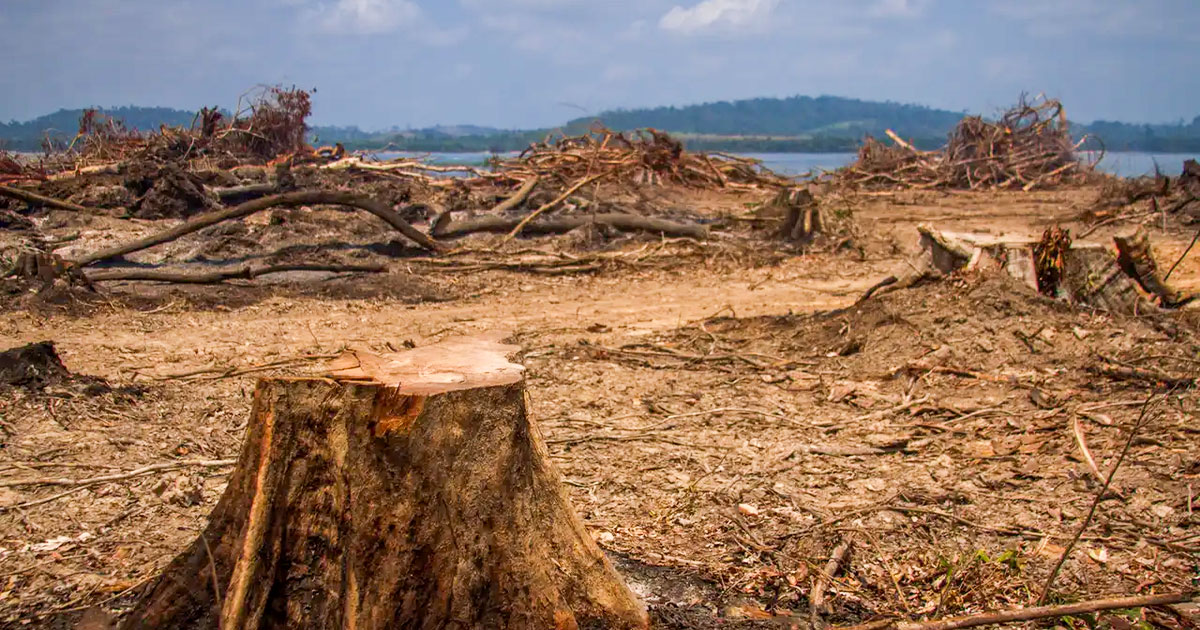
The issue ofdeforestation is witnessing a noticeable increase in light of the expansion of agricultural activities and the economic pressures associated with securing food supply chains globally. With the increasing challenges associated with protectingnatural resources, it has become clear that traditional control tools are no longer sufficient to keep pace with this expansion, especially in areas with a wide geographical extent such as the Amazon forests.
In this context, dealing with deforestation is directly linked to the dimensions of sustainable development, whether in terms of protecting the environment, achieving economic stability, or supporting social justice in societies linked to natural resources. As these challenges become more complex, some countries are turning to adopting unconventional tools that reshape the relationship between the economy and the environment, which is clearly evident in the Brazilian experience.
Deforestation between financing and economic control
Brazil's new policies represent a clear model of repurposing economic tools in the face of deforestation, where access to subsidized agricultural credit has been linked to adherence to environmental standards. According to the data, this trend includes about $53 billion in agricultural financing, which reflects the size of the expected impact on market behavior.
Analytical estimates also indicate that about 17% of agricultural loans during the period between 2020 and 2024 went to farms established on lands subject to deforestation, revealing a clear gap between financing and environmental practices. This reflects the role of finance as an economic pressure tool capable of redirecting productive activities, pushing towards greater commitment to environmental standards without relying solely on prevention tools or direct sanctions. In light of this transformation, the issue goes beyond controlling violations to reshaping economic incentives within the agricultural sector.

The shift of governance tools from the state to the financial system
The involvement of banks in monitoring agricultural activities reflects a noticeable shift in governance tools related to the issue ofdeforestation, as bank managers have become part of the monitoring system by verifying satellite data before granting loans. This approach enhances the efficiency of oversight, especially in light of the difficulty of field monitoring in large and geographically complex areas.
This model also contributes to distributing governance roles between government institutions and the financial sector, which supports building a more integrated system in resource management. This reflects a shift in the understanding of control, as it has become an extended process within the economic system itself. This trend paves the way for a new phase that depends on integrating financial tools into the management of environmental issues, in a way that enhances the effectiveness of public policies. It is also consistent with the comprehensive Sustainable Development Goals (SDGs) concerned with achieving peace, justice, strong institutions, climate action, and life on land.
Implementation challenges between economic interests and political pressures
These policies face clear challenges at the implementation level, as agricultural sectors have expressed their objection to the restrictions related to financing, considering that they may affect farmers’ ability to expand and produce. This interaction reflects the nature of the balance required between the requirements of economic growth and environmental commitment in the context of deforestation.
Introducing these controls in a changing political environment adds another dimension of complexity, especially with the issue being linked to internal balances and influential economic interests. This leads to the emergence of discussions about the limits of the financial system’s intervention in productive activities, and the extent to which this is compatible with agricultural development priorities. In this context, it is clear that the success of these policies is linked to their ability to achieve a practical balance between economic and social dimensions, thus reducing tensions and enhancing applicability.
Reducing financial risks and enhancing the sustainability of supply chains
The impact of these measures extends to risk management within the financial system, as reducing financing for activities related to deforestation contributes to reducing the probability of financial default associated with environmentally non-compliant projects. When these activities face supply chain restrictions or boycott campaigns, the risk of loan default increases, which is what banks seek to avoid.

This trend also enhances the stability of supply chains, especially in the agricultural sectors that are directly linked to global food security. This reflects the increasing interconnection between environmental considerations and economic stability, with sustainability becoming an influential element in assessing financial risks. This development indicates that incorporating environmental standards into financing decisions can contribute to building an economic system more capable of adapting to future challenges.
In summary, the Brazilian experience in dealing with deforestation reveals a noticeable shift in resource management tools, where the economic and environmental axes of comprehensive sustainable development intersect within a more integrated framework. This shift reflects a growing realization that achieving sustainability requires reformulating the relationship between finance and productive activities.
In this context,The Earth Guards Foundation believes that the integration of financial tools into the environmental governance system represents an important step towards enhancing economic stability and protecting natural resources. With increasing pressures on these resources globally, this model tends to consolidate the role of finance as an effective tool in supporting the shift towards more sustainable production patterns, thus enhancing the balance between development requirements and protection. Environment in the long term.


