


How did Xi and Trump discuss the features of the global economy between Washington and Beijing?

How did Xi and Trump discuss the features of the global economy between Washington and Beijing?
When the mapsof the global economy are disturbed, and trade convoys falter, and global markets enter a time of widespread global turmoil, the major agreements between the great powers become defining moments in which the features of the world economy are redrawn. With a desire to restore balance to countries and their people, especially in developing countries that depend on international markets.
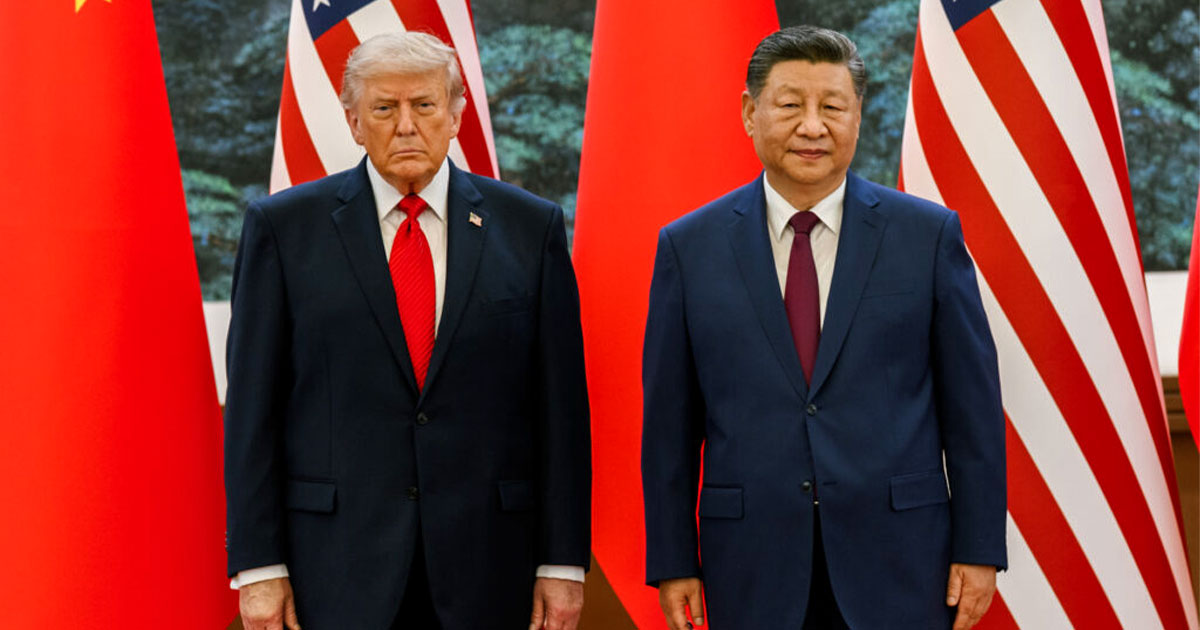
At this moment - a moment in which the global economy is witnessing accelerating turmoil due to geopolitical tensions and the slowdown in international trade supply chains - the economic relations between the United States of America and China have returned to the forefront of global attention, and this is after the two countries announced that they have achieved relative progress in their trade talks following the summit that brought together US President Donald Trump and Chinese President Xi Jinping.
HenceProtectors of the EarthIn this article, we discuss the features of these talks, measuring the extent of their impact on the global economy and international markets, while examining their feasibility in relation to the Sustainable Development Goals (SDGs); So keep reading.
Efforts to reduce customs duties
These historic talks came at a time when the world is witnessing political and economic turmoil that has almost stopped sustainable development efforts, especially those related to supply chains. Therefore, the files most present on the negotiating table between China and America were the files of customs duties, agricultural trade, aviation, and investment.
Therefore, the Chinese Ministry of Commerce indicated that the two sides have reached preliminary understandings regarding reducing customs duties on a number of products and manufactures, in addition to addressing some non-tariff barriers, as well as expanding market access opportunities.
Then the two parties agreed to establish joint trade and investment councils; This is in order to manage the outstanding economic files between China and America, and to strengthen trade coordination mechanisms between the two countries in the context of the international events that have struck the Middle East region in recent months.

Agricultural trade at the forefront of the agreement
Data reveals the extent of the impact of the trade war between China and America. Agricultural trade rates between the two countries declined by 65.7% annually, reaching $8.4 billion in 2025, and Chinese agricultural imports from the United States are still subject to an additional tariff of 10%.
For all of this, the agricultural file emerged in the recent Chinese-American rapprochement after years of imposing mutual duties between the two countries, and today - after all these lean years - Beijing and Washington are seeking to stimulate flows of agricultural goods through mutual tariff reductions, allowing import and manufacturing companies to return to the market in a more stable manner.
According to this historical economic rapprochement, China has returned to importing some American goods, most notably:
- Soybeans
- Wheat
- Sorghum

Aviation sector within economic cooperation
On the other hand, the features of economic cooperation between China and America extended to the aviation industry, as Beijing talked about agreements related to purchasing American aircraft and supplying aircraft engines and components to China. This comes as Chinese airlines seek to modernize their air fleets, in conjunction with Washington’s attempts to support exports of high-value strategic industries, in a way that achieves peace, justice and strong institutions.
It is worth noting here that China preferred to maintain a more conservative speech without revealing final numbers or clear time frames regarding this trade exchange in the aviation sector, which clearly reveals the continued negotiation of technical details and commercial terms.
What is the impact of the new agreement on the global economy?
This Chinese-American rapprochement and the potential consequences it carries provide implications that go beyond the boundaries of bilateral relations between Beijing and Washington. Because it tests the ability of the global economy to regain its balance and stability after years of trade divergence.

From the perspective of sustainable development and its seventeen goals, the return of economic cooperation between the two superpowers around the world appears to be a form of achieving the goals of sustainable economic growth, food security, supply chain stability, and other relevant Sustainable Development Goals (SDGs).
So,The Earth Guards Foundationsees the features of the new global economy between Washington and Beijing as a broad step towards achieving a developing global economy, in a way that confronts the current regional challenges that affect all the peoples of the world.


