


Will Argentina succeed in achieving sustainable mining in light of environmental challenges?
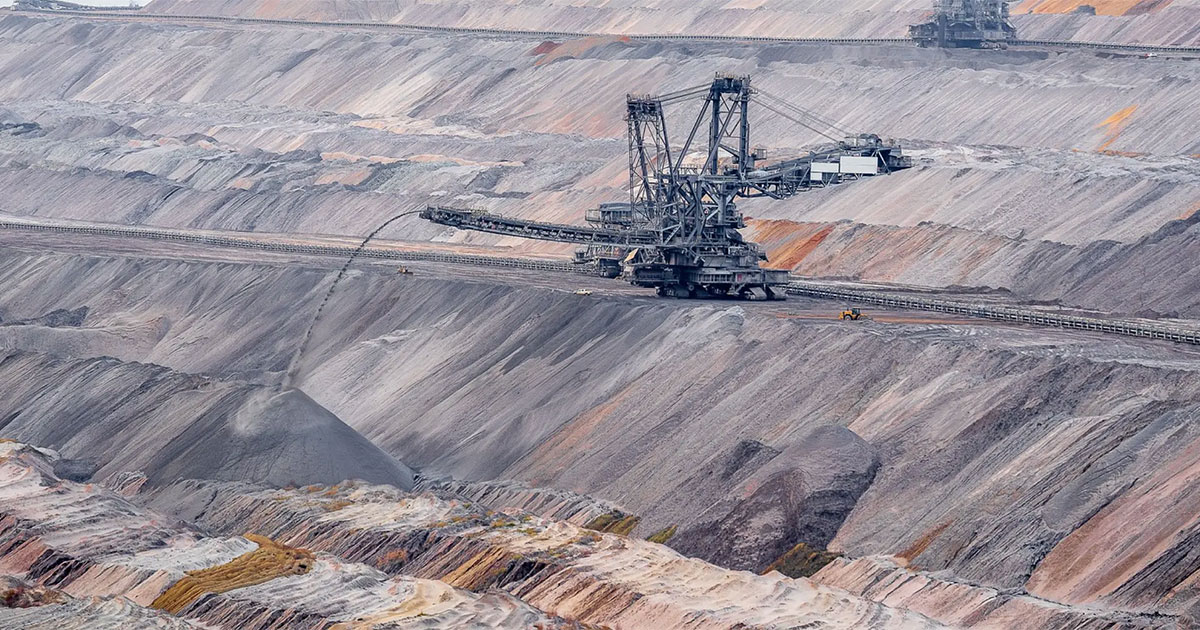

Will Argentina succeed in achieving sustainable mining in light of environmental challenges?
Global markets are witnessing a significant increase in demand for strategic minerals, driven by the shift towardsclean energyand the expansion of technological industries, which re-highlights the role of the mining sector in supporting the global economy. In this context, the concept of sustainable mining emerges as one of the basic frameworks that seeks to achieve a balance between exploitation of natural resources and their protection in the long term.
This equation is closely linked to the Sustainable Development Goals (SDGs), as mining contributes to supporting economic growth (Goal 8), while at the same time posing environmental challenges related to the protection of natural systems and water resources (Goals 13 and 15). With Argentina adopting new reforms aimed at promoting investment in areas close to glaciers, attention is turning to the extent to which these policies are compatible with the principles of sustainable mining, which paves the way for a deeper understanding of the nature of this balance.
Sustainable mining between attracting investment and promoting economic growth
The mining sector represents one of the main engines of economic growth in many developing countries, which Argentina seeks to strengthen through recent reforms aimed at attracting investments and expanding the scope of mining activity. It is estimated that these reforms may contribute to achieving exports amounting to about $165 billion by 2035, in addition to creating thousands of job opportunities.

In this context, the trend towards enhancing investment in mining reflects an awareness of the importance of this sector in supporting public revenues and stimulating economic activity. It also highlights the role of mineral resources, such as copper and lithium, in supporting the global transition towards clean energy, which gives Argentina a strategic position in the supply chains associated with this transition in line with the seventh goal of providing clean and affordable energy. But on the other hand, this economic expansion is accompanied by increasing pressure on environmental resources, especially glaciers.
From the above, we conclude that these efforts aim to achieve comprehensive Sustainable Development Goals (SDGs) at the economic level concerned with achieving the eighth goal: decent work and economic growth, but taking into account not causing any significant damage to environmental resources, which leads to achieving integration between economic goals and environmental goals to ensure economic growth and resource protection at the same time, goal (6) clean water and sanitation, goal (12) responsible consumption and production, goal (13) climate action.
Water resources and glaciers in the face of mining expansion
Glaciers represent one of the most important sources of fresh water in Argentina, providing vital reserves that support agricultural and economic activities. The 2010 law covers about 17,000 ice blocks extending over large areas, which reflects the importance of these resources in achieving environmental stability.
Therefore, the expansion of mining activities near these areas raises concerns regarding its impact on water quality and sustainability. Experts also point out that these resources are highly sensitive, as any changes in the surrounding environment may lead to long-term effects that are difficult to reverse. In light of these challenges, the regulatory framework becomes a crucial factor in achieving the balance between investment and protection.
Reshaping mining regulation and its impact on protection standards
The new reforms reflect a shift in the mechanisms for regulating the mining sector, giving local authorities broader powers to set standards for protecting glaciers and their surrounding areas. This trend raises questions about the extent of consistency of these standards, especially in light of the differences in organizational capabilities between regions.
In this context, achieving sustainable mining is linked to the presence of a clear governance framework that ensures the application of unified environmental standards, which may face challenges if local policies differ. Criticisms also point to the limited participation of concerned parties in the discussions, as a small percentage of objectors were given the opportunity to express their opinions, which reflects the importance of enhancing transparency in the decision-making process. These challenges also raise broader questions about the possibility of achieving a balance between development and sustainability.
Does sustainable mining achieve a balance between development and resource protection?
Recent developments raise fundamental questions about the extent to whichsustainable mining can be achievedin light of increasing economic pressures, as countries seek to maximize the benefit from their natural resources, while at the same time preserving the environment. This challenge reflects the nature of the complex relationship between economic development and resource protection, especially in sectors that depend on intensive exploitation of the environment, such as mining.
From this standpoint, achieving this balance requires adopting an integrated resource management model based on an accurate environmental impact assessment before implementing projects, in addition to applying clear standards that define the limits of mining activity in sensitive areas. It also highlights the role of technology in reducing environmental impact, through the use of modern techniques in mineral extraction and waste management, which contributes to reducing water consumption and reducing pollution.

This trend also extends to enhancing transparency and governance, as the involvement of local communities and experts in the decision-making process represents an essential element in supporting the sustainability of policies, especially in areas that depend directly on natural resources. This contributes to achieving a greater balance between economic interests and environmental considerations, and reduces conflicts associated with the use of resources.
In conclusion, Argentina's mining sector reforms reflect a shift in economic policies that seeks to boost investment and increase returns, but at the same time poses challenges related to the protection of natural resources. This reality highlights the importance of achieving a careful balance between the requirements of economic growth and environmental considerations.
For its part,The Earth Guards Foundation believes that achieving sustainable mining requires developing management models that guarantee the responsible use of resources, while enhancing transparency and environmental control, in a way that supports the achievement of Sustainable Development Goals (SDGs) in the long term. With the increasing global demand for minerals, this file tends to become one of the most prominent tests of the ability of countries to achieve balanced economic development that combines investment and environmental protection within a sustainable framework.


