


The US Department of Agriculture and Health is reshaping the food pyramid
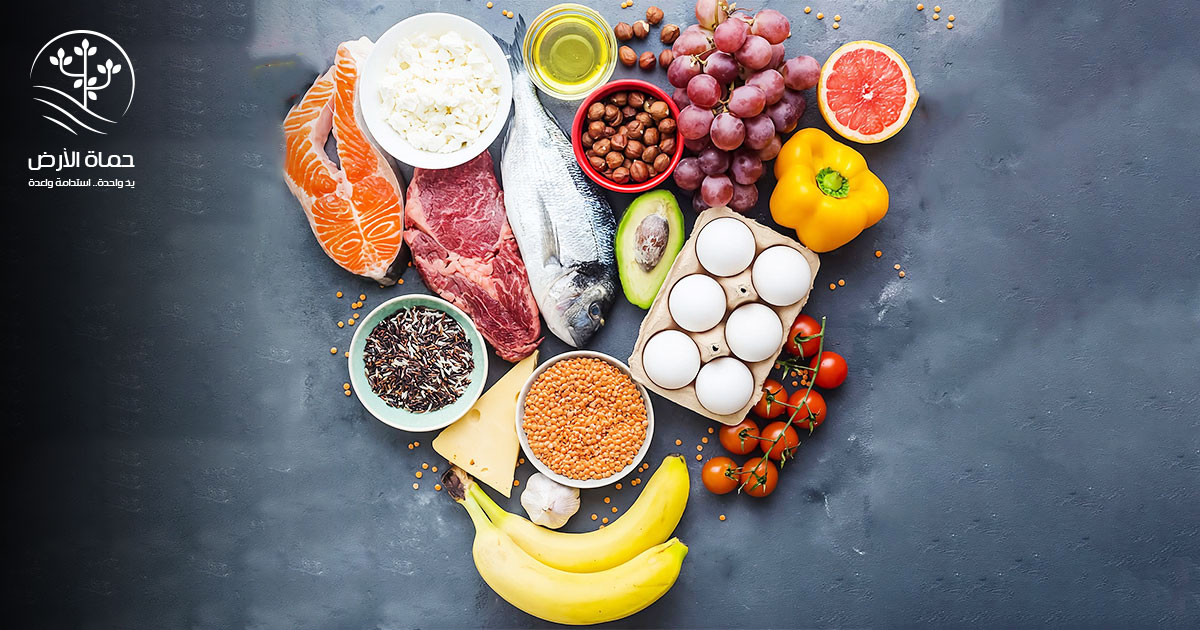

The US Department of Agriculture and Health reshapes the food pyramid
Controversy has escalated over the past period around the issue of food as an issue that goes beyond individual choices, extending to a broader debate in which health, economic, and development dimensions intersect. At the heart of this debate, theFood Pyramid has returned to the forefront as a symbol of a deeper shift in official food policies, reflecting a rethinking of the role of food within the system of public health and sustainable development. In January 2026, the United States Department of Health and Human Services and the United States Department of Agriculture announced the release of the Dietary Guidelines for Americans for 2025–2030, in a move described as the greatest reset of federal food policy in decades, with a clear central message: a return to “real food” as the foundation of health.
This transformation comes in the context of a worsening health crisis. Official data indicate that nearly 90% of health spending is directed to treating chronic diseases, a large portion of which is linked to food and lifestyle patterns, while more than 70% of adults suffer from overweight or obesity, and indicators of metabolic disorder appear in a wide segment of adolescents. These data have re-introduced the food pyramid and the prevailing nutritional patterns as an entry point for health prevention, not just isolated behavioral recommendations.
The Food Pyramid... How was it formed and why was it re-introduced?
For decades, the food pyramid has been one of the most popular models for guiding nutritional behavior, as an educational tool that simplifies the relationship between types of food and the recommended daily amounts. This model is based on dividing food into graduated layers, starting at its base with foods that are supposed to be consumed in abundance, such as grains and their products, and then graduating upward to include vegetables and fruits, then sources of protein and dairy, all the way to fats and sugars at the top, as they are elements whose consumption it is recommended to limit.
This perception, since its appearance in modern health policies, has been linked to the idea of nutritional balance and organizing daily rations, which made it an essential reference in health awareness campaigns, schools, and government programs. However, this model, despite its wide spread, has remained the subject of ongoing scientific debate about the extent of its ability to keep pace with transformations in modern food patterns.
In recent years, the controversy over the food pyramid has escalated with increasing criticism directed at traditional models that focused on quantitative calculations and calories more than on the quality of food and the level of its industrial processing. With the growing rates of obesity and chronic diseases, scientific and health voices began to question the adequacy of these approaches, considering that the food pyramid in its old form no longer reflects the complex nutritional reality, and does not meet the requirements of health prevention in modern societies.

What changed in the new food pyramid?
The change in the new food pyramid came to reformulate the basis on which nutritional recommendations were built, by shifting the guidance compass from regulating quantities to evaluating the quality of food itself. The new approach focuses on the nature of what is consumed, the level of its industrial processing, and its nutritional quality, making daily food selection the focus of health prevention, not just adherence to fixed numerical portions.
In this context, the new directives alleviated the general negative view that had prevailed for decades towards natural animal fats, and, in contrast, emphasized the distinction between natural vegetable fats extracted from whole foods, and ultra-processed industrial vegetable oils, the increasing consumption of which has been linked to unhealthy dietary patterns. This shift reflects a break with previous approaches that treated fats as a single category, without adequate consideration of the quality of the source or the impact of industrial processing.
Health and Human Services Secretary Robert Kennedy Jr. expressed this trend as a “return to basics,” indicating that health prevention begins with food choice before any therapeutic intervention. However, this new formulation sparked widespread debate in health and media circles, among those who saw it as a long-awaited correction in the course of food policies, and those who warned that moving away from strict quantitative models might open the door to different interpretations of the recommendations. Between these two positions, the food pyramid turned into a space of controversy that reflects a broader struggle over the definition of healthy food in a world where consumption patterns are changing at a rapid pace.
In light of this conceptual shift, the new dietary guidelines come to translate this vision into practical guidance that explains how this change is reflected in daily food choices, and what this means at the level of dietary behavior of individuals and families.
What do the dietary guidelines say in practice?
The guidelines contained in the document clearly reflect this transformation, through a set of direct recommendations, the most prominent of which are:
- Give clear priority to protein in daily meals.
- Consumption of full-fat dairy products without added sugars.
- A lot of vegetables and fruits in their whole and natural form.
- Incorporate healthy fats derived from whole foods such as fish, nuts and natural oils.
- Focus on whole grains while reducing refined carbohydrates.
- Limit ultra-processed foods, added sugars, and artificial substances.
- Adapting food quantities with age and level of physical activity.
- Prefer water and unsweetened beverages, and reduce alcohol consumption.
These recommendations come in a comprehensive format that covers various age groups and health needs, from children and adolescents to pregnant women, the elderly, and those with chronic diseases, in addition to vegetarians, reflecting a trend that links the food pyramid to the concept of food justice and taking into account different lifestyles. At the same time, this guiding framework opens a broader discussion about the place of food within public health policies, and its role as a preventive tool supporting sustainable development pathways.
Food between health policies and sustainable development
The shift in the food pyramid has implications beyond improving individual health, becoming part of a broader discussion about the role of food in protecting public health and supporting development. Adopting higher-quality dietary patterns is reflected in reducing the cost of health care, raising productivity, and improving the quality of life, which are elements that support social and economic stability in the long term.
In this context, modernizing food policies raises deeper questions about the relationship between public health, agricultural policies, production patterns, and consumption. Promoting “real food” is linked to supporting local farmers and redirecting supply chains towards more sustainable models, reducing dependence on ultra-processed foods and enhancing food security.
The pivotal issue remains the transfer of these directives from the level of guidance to the reality of daily practice, in light of the dominance of processed foods and ease of access to them. Here the roles of awareness, nutritional education, and supportive public policies intersect, in order to make healthy options more available and less expensive, so that the food pyramid becomes a practical tool that influences lifestyles, not a theoretical framework isolated from reality.
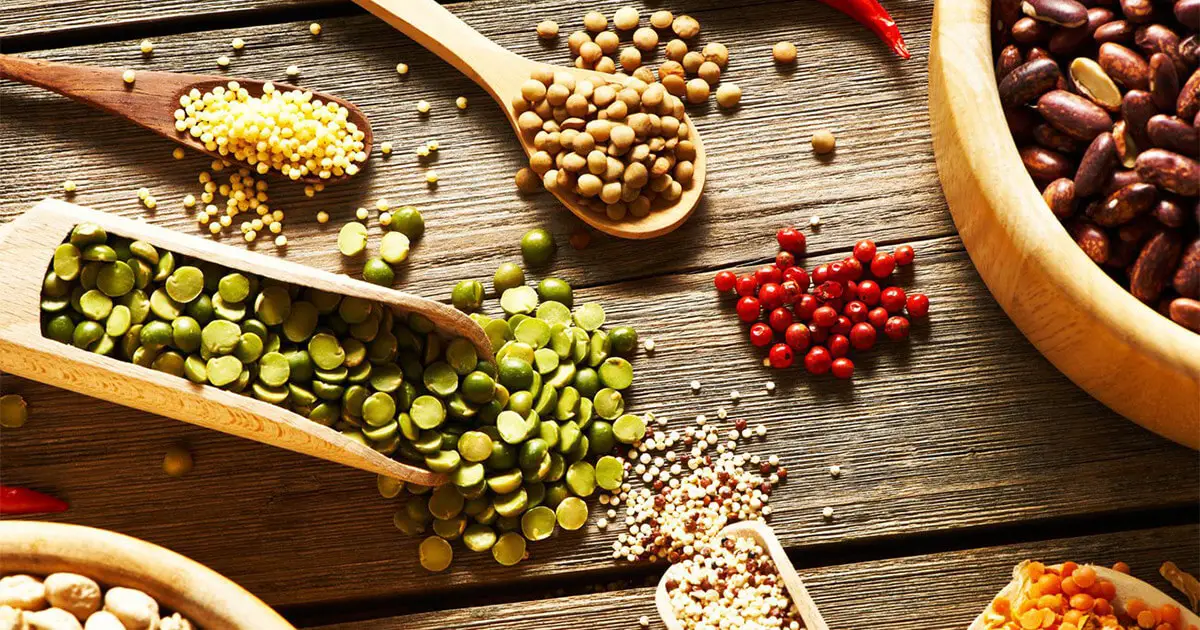
Recent changes to the Food Pyramid reflect a shift in perception of food as a fundamental pillar of public health and sustainable development, rather than just an individual lifestyle issue. The reformulation of dietary guidelines indicates a growing awareness of the role of consumption patterns in health prevention, reducing the burden of disease, and improving quality of life.
In this sense,Earth Defenders Foundationsees that modernizing food policies represents an opportunity to promote more conscious consumption, support more sustainable food systems, and contribute to narrowing health gaps, in a way that intersects with the Sustainable Development Goals (SDGs) related to good health, well-being, and responsible consumption patterns. When food is viewed as an input to development, the food pyramid transforms from an educational framework into a collective awareness tool that contributes to building healthier and more sustainable societies.


