


Middle East war pushes Asia to accelerate energy transition and abandon fossil fuels
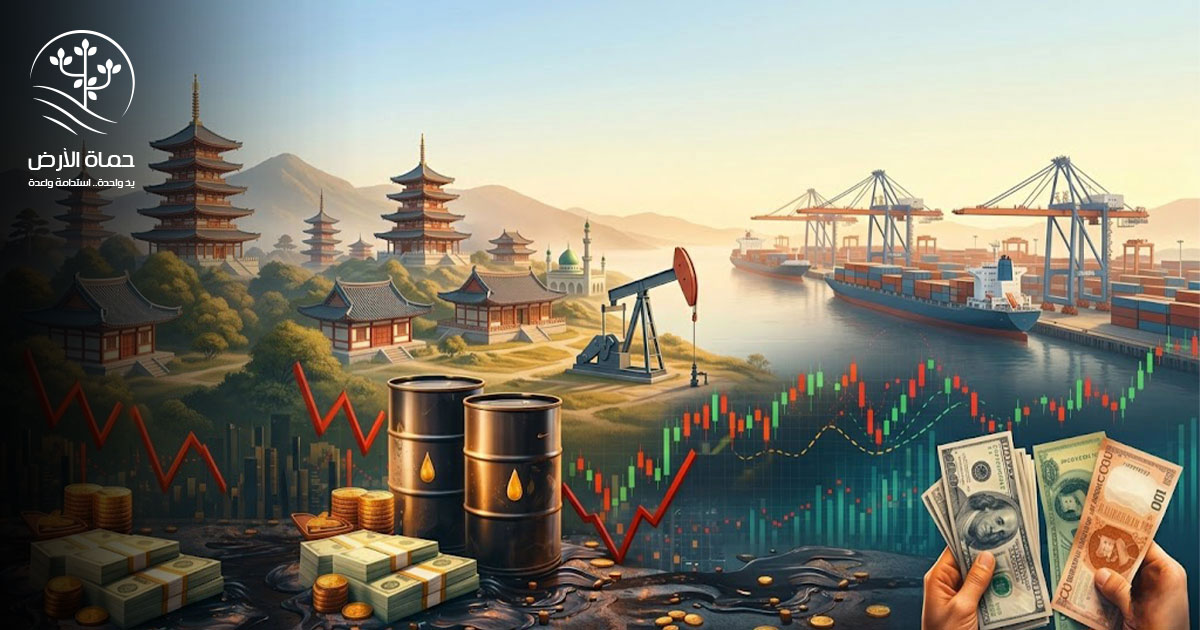

Middle East war pushes Asia to accelerate energy transition and abandon fossil fuels
Global energy markets are subject to rapid transformations in light of the repercussions of the Middle East war, which directly affected oil and gas supplies, especially with the disruption of shipping movement through the Strait of Hormuz, one of the most important strategic corridors for energy transport in the world.
In this context, Asia came at the top of the most affected regions, due to its heavy dependence on energy imports from the Middle East, whether in the form of crude oil or liquefied natural gas. As these challenges escalated, countries in the region began to accelerate the energy transition, searching for more stable alternatives and less vulnerable to geopolitical fluctuations, in a trend that directly intersects with the Sustainable Development Goals (SDGs), especially with regard to clean energy (Goal 7) and climate action (Goal 13), by reducing dependence onfossil fuels and promoting low-emission energy sources.
War reveals the fragility of dependence on fossil fuels
The war led to a decline in global supplies by about 10 million barrels per day of oil and refined products, in addition to affecting about 20% of global liquefied natural gas trade. These developments revealed the fragility of dependence on fossil fuels, especially in regions that rely heavily on imports to meet their energy needs.
The crisis also showed that energy security is linked to the availability of resources, and is also linked to the extent of the stability of supply chains and the ability of countries to deal with sudden shocks. In this context, the issue of diversifying energy sources has become a strategic priority. To reduce risks, enhance economic independence, and reduce dependence on specific geographical regions, which leads to rethinking the structure of traditional energy systems.

Energy transition accelerates toward electrification in Asia
In the face of these challenges, Asian countries are moving to accelerate the energy transition by relying more on electricity, especially through expanding the use of electric vehicles and energy storage systems. In addition to China, which has led this transformation over the past years, the countries of Southeast Asia and South Asia have emerged, following the rapid growth in adopting these technologies.
This expansion reflects a shift in the way of thinking about energy, as it has become an integrated system based on local production, storage, and smart use, thus reducing exposure to external shocks. In light of this transformation in the structure of energy systems, electric vehicles have emerged as one of the most prominent practical applications of this trend, which has been reflected in accelerated growth within emerging markets.
Rapid growth in electric vehicles and emerging markets
Electric vehicle sales have been significantly booming in Asian markets outside of China, with countries such as Vietnam and Thailand recording significant increases in recent years, driven by changes in consumer behavior and the availability of more competitive models. Other local companies also emerged, accompanied by rapid expansion in the production and marketing of electric vehicles inside and outside their local markets.
In addition to cars, the expansions included two-wheeled and three-wheeled vehicles, which represent a large part of transportation in many Asian countries. This sector is expected to grow at high rates in the coming years, due to low operating costs and ease of use, which makes it an essential element in supporting the energy transition.

Government policies and technology support the energy transition
Government policies play a pivotal role in accelerating the energy transition, by providing financial and legislative incentives to encourage the use of electric vehicles, in addition to investing in the necessary infrastructure, such as charging stations and smart electricity grids. The pressures resulting from high fuel prices are pushing governments to adopt policies that are more supportive of electricity as an economic alternative.
At the same time, the growth of the energy storage sector is accelerating, as batteries contribute to improving energy efficiency, especially with the expansion of renewable energy sources such as solar and wind energy. This integration of technology and policies helps build more resilient and sustainable energy systems, which intersects with the Sustainable Development Goals (SDGs), especially Goal 7 on clean energy, and Goal 13 on climate action.
The impact of the energy transition on oil markets and the future of the sector
The acceleration of the energy transition is expected to lead to a decline in demand for traditional fuels such as gasoline and diesel, as consumption patterns change in Asian markets. There may also be a shift in the type of products required, with increased demand for some materials used in industries related to new energy, such as battery components.
On the other hand, oil producers face increasing challenges, as the world gradually approaches the stage of peak demand for oil, which puts pressure on traditional business models in this sector. This may prompt companies to diversify their investments and enter into new fields related to alternative energy.
In summary, the repercussions of the Middle East war reveal a profound reshaping phase in the global energy system. Security of supply has become linked to the ability of countries to build systems that are more resilient and diversified in their sources. In this context, the acceleration of the energy transition within Asia comes as a strategic response that goes beyond the impact of the current crisis, towards gradually reformulating the model of dependence on fossil fuels.

With the expansion of investment in electricity, renewable energy, and storage, and the expansion of the use of electric vehicles, the region is moving towards a more sustainable and efficient energy model that reduces emissions and reduces the fragility of dependence on foreign markets. This transformation reflects clear harmony with the goals of sustainable development, especially with regard to clean energy and climate action, so that the energy transformation becomes a path to redefine the future of global stability.
In this context,The Earth Guards Foundation believes that achieving this transformation requires a combination of effective policies and long-term investments, in addition to enhancing innovation and international cooperation, which contributes to achieving a balance between energy security and environmental sustainability, and supports a more stable and sustainable future.


