


Made in Europe: Will batteries reshape the future of European manufacturing?

Made in Europe: Will batteries reshape the future of European manufacturing?
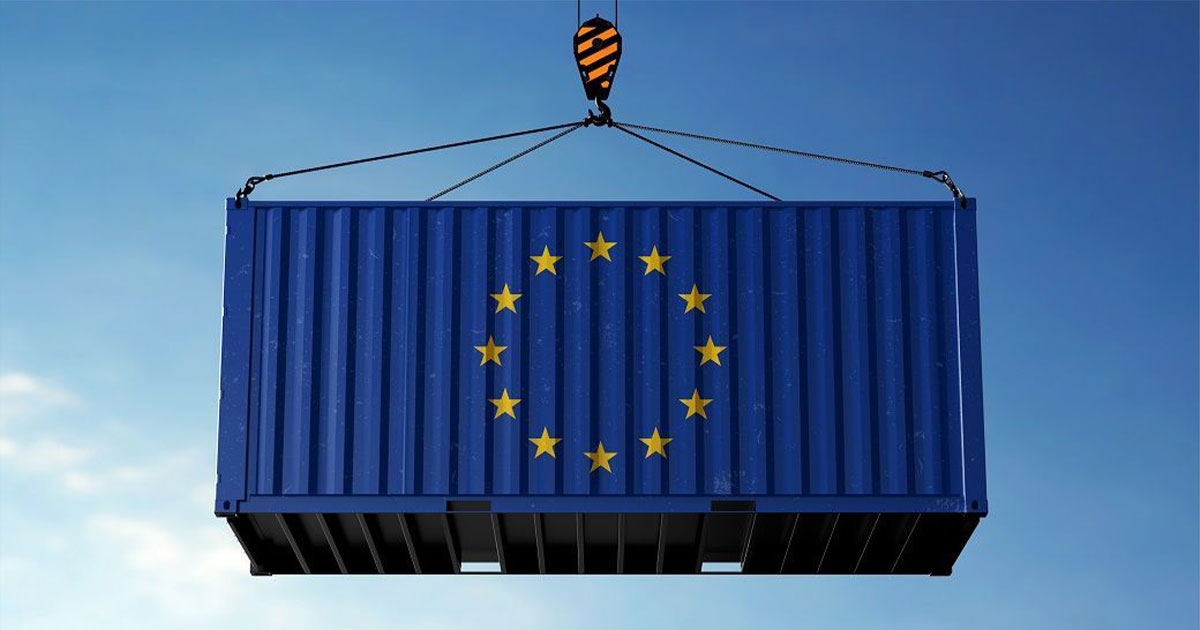
The European manufacturing file tops the economic policy agenda in Brussels, as the European Union seeks to reduce its dependence on external supply chains in strategic sectors, most notably batteries. This comes at a time when recent reports indicate that the gap in the cost of batteries manufactured in Europe compared to those coming from China may reach about 90% at the present time, which putsEuropean industry before a double test: enhancing competitiveness on the one hand, and consolidating industrial independence on the other hand.
With the launch of the anticipated “Made in Europe” plan, the question is renewed about the ability of European manufacturing to reduce this gap without placing additional burdens on consumers or companies that affect the electric car market and the green transition.
European battery manufacturing and reducing the cost gap
It is estimated that increasing battery production within Europe could reduce the large price difference with Chinese batteries by 2030. Instead of the cost difference being as huge as 90% as it is today, it may decrease to a relatively limited level of 30%. The study shows that the difference may reach about $14 per kilowatt-hour, which is how the price of batteries is measured globally.
Simply put, the lower this number, the lower the cost of the battery itself. According to these calculations, this may mean that an average electric car battery will be only about 500 euros more expensive than an imported battery, a difference that can be reduced again through various methods, such as government incentives, tax breaks, or considering it as an acceptable cost in exchange for strengthening European manufacturing and reducing dependence on abroad.
This expected improvement is also linked to several factors, most notably reducing waste rates in production, enhancing automation, and accumulating technical expertise, in addition to achieving economies of scale with the expansion of European factories. The higher the production capacity, the lower the cost per unit, which represents a fundamental pillar of any strategy to boost European manufacturing in the battery sector. However, achieving this scenario does not depend on industrial efficiency alone, but is also linked to the political and regulatory framework that Brussels seeks to consolidate through the “Made in Europe” plan.

The “Made in Europe” plan: reshaping the industrial base
In this context, the European Commission is preparing to introduce the “Industrial Accelerator Act” as part of the “Made in Europe” plan, which aims to give priority to locally manufactured products when using public funds. The plan includes several strategic sectors, including batteries, solar energy, wind energy, hydrogen and electric vehicles, in an attempt to resettle value chains within the continent.
This policy seeks to link public support to clear local content standards, creating stable demand for European products and giving companies greater ability to expand. Proposals were also put forward to include tax incentives for electric cars within the support system, which would enhance integration between industry and climate policies. This policy has sparked widespread debate about its impact on the competitiveness of European companies, which leads to the debate about the cost of industrial independence.
Competitiveness or industrial sovereignty?
Some car companies have warned that local content requirements may raise battery prices and affect the competitiveness of European electric cars in global markets. On the other hand, supporters of the plan believe that the potential price difference represents a “sovereignty premium” that can be tolerated in exchange for reducing the risks associated with excessive reliance on foreign imports, especially in light of the restrictions previously imposed by China on the export of some rare earths.
This proposal is based on the experience of European companies that have faced financing and production challenges in recent years, which highlighted the fragility of supply chains in the absence of a strong local industrial base. Hence, European battery manufacturing is seen as a strategic insurance tool, not just a traditional industrial support policy.

European manufacturing and global supply chains
Batteries are central to the transition towards a sustainable, low-carbon economy, whether in the transportation sector or renewable energy storage. As geopolitical tensions rise, security of supply has become part of the sustainability equation. Relying on external suppliers for essential components exposes the European economy to the risks of price fluctuations and trade restrictions.
In this sense, strengthening European industrialization falls within a broader strategy aimed at building economic resilience and ensuring the stability of value chains in sectors related to clean energy. This reflects a shift in thinking from an exclusive focus on the lowest possible cost to balancing economic efficiency with industrial security considerations.
In conclusion, the battery file represents a real test of European manufacturing’s ability to combine competitiveness and independence. The current price gap is not a fixed given, but rather the result of a transitional phase that can be adjusted through investment in efficiency and industrial expansion. The fundamental question remains: Does the European Union view this cost as a short-term burden, or as a long-term investment in industrial sovereignty that supports the green transition?

In light of the global economic transformations, the answer seems to lean toward the second option, as strengthening European manufacturing becomes a pillar for ensuring market stability and achieving climate goals, within the framework of an equation that balances cost, flexibility, and sustainability.
For its part,The Earth Guards Foundation, for its part, indicates that supporting European manufacturing in strategic sectors, most notably batteries, represents a pivotal step towards building a more resilient and sustainable economy. Enhancing local production is linked to establishing an industrial base capable of supporting the green transformation and reducing the risks associated with global supply chains, in line with the Sustainable Development Goals (SDGs) related to clean energy, climate action and sustainable industry.


