

Digital transformation is revitalizing rural areas and promoting sustainability in Europe
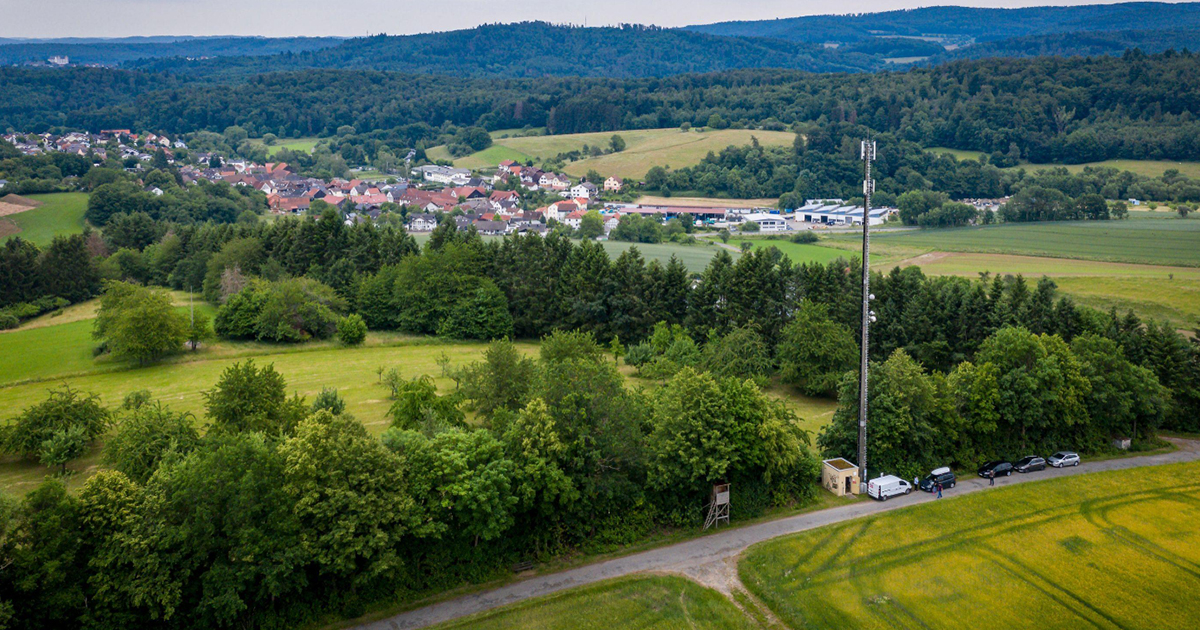

Digital transformation revitalizes rural areas and boosts sustainability in Europe
Digital transformation is seeing an increasing role in reshaping life in rural areas of Europe. We are no longer seeing it only in big cities, but it has expanded to become an effective tool for improving the quality of life in communities that are less fortunate in terms of infrastructure and services. With the development of communication technologies, rural areas have begun to benefit from digital solutions that contribute to enhancing efficiency, reducing costs, and supporting local development.
This transformation intersects with the Sustainable Development Goals, especially Goal 9 related to infrastructure and innovation, and Goal 11 related to building sustainable societies, in addition to Goal 10 related to reducing the gap between different regions. From this standpoint, this article addresses the role of digital transformation in supporting societies rural areas, its impact on services and the economy, as well as the challenges associated with its application.
Weak infrastructure in rural areas
Many rural areas suffer from challenges related to poor infrastructure, including limited transportation services, few job opportunities, and poor digital connectivity compared to urban areas. This has led to a widening of the gap between cities and the countryside, which has been reflected in the level of services available to the population.
This situation reflects the need for innovative solutions capable of improving access to services and enhancing development opportunities, which opens the way for digital transformation as a tool to address these challenges.
Digital transformation is a tool to improve daily life
Digital transformation contributes to improving daily life in rural areas through applications A process that directly targets the needs of the population. In Northern Finland, for example, a student transportation application helped organize school bus trips, which contributed to reducing stress among families and improving transportation efficiency, especially in light of long distances and difficult climatic conditions.

This system also allowed parents to track their children’s arrival to school immediately, which enhances the feeling of safety, while drivers benefited from accurate and immediate data about stopping places and changes in trips, which reduces unnecessary trips and increases operating efficiency. This reflects how technology can transform traditional services into more intelligent and responsive systems.
The role of digital transformation includes various aspects of daily life, as it contributes to improving access to basic services, simplifying procedures, and enhancing communication between individuals and service agencies. This highlights the importance of relying on digital solutions to address challenges associated with long distances and weak infrastructure, which makes digital transformation an essential element in supporting the stability of rural communities and improving the quality of life in them.
Technology in supporting services and the environment
The impact of digital transformation extends to supporting environmental sustainability, as it contributes to reducing unnecessary trips, which leads to reducing energy consumption and emissions. This happens by relying on real-time data and intelligent planning, as digital systems can determine the most efficient routes, reduce operating time, and avoid unnecessary movements, whether in transportation or logistics.
It is estimated that some of these digital solutions can achieve savings of up to 25% in energy consumption, which reflects the ability of technology to improve Tangible efficiency in the use of resources, especially in areas that suffer from limited capabilities. This improvement also contributes to reducing operational costs, which supports the sustainability of services in the long term.

This highlights how technology can contribute to achieving environmental goals, in addition to improving the quality of life. By integrating operational efficiency with sustainability, the benefits extend to reducing environmental impact and promoting responsible use of resources, which represents one of the basic pillars of sustainable development that contributes to building smart societies.
Building smart, data-driven communities
Digital transformation in rural areas depends on establishing a shared digital infrastructure that allows data exchange between various services, and initiatives such as The AURORAL Project have contributed to the development of the platform Digital technology allows communities to share data securely, enhancing integration between services.
This approach allows rural areas to develop innovative solutions without having to build new systems from scratch, which contributes to accelerating the digital transformation process and reducing costs.
The future of digital transformation in rural areas
Expectations indicate that digital transformation will continue to play a pivotal role in the development of rural areas, especially with the increasing reliance on remote work and the development of digital technologies, which opens new horizons for these areas to attract economic activities and reduce migration to cities. The continuation of European initiatives in this field also contributes to supporting rural communities and enhancing their ability to innovate, by providing a flexible digital environment that allows for the exchange of knowledge and the development of local solutions that suit the needs of each. region.

In this context, investment in digital infrastructure is an essential factor in ensuring the sustainability of this transformation, by supporting more efficient production and consumption patterns, reducing emissions resulting from mobility, and promoting the use of renewable energy in local activities.
Digital transformation also contributes to enabling societies to manage their resources more efficiently, whether in agriculture, energy, or water, which supports environmental and economic sustainability at the same time.

This reflects the importance of achieving an integration between technology and sustainability, which contributes to building rural communities capable of resilience in the face of challenges, achieving balanced development that reduces the gap between cities and rural areas, and supports sustainable development goals in the long term.
In the end, it represents Digital transformation is a real opportunity to revitalize rural areas, by improving services, supporting the economy, and enhancing sustainability. As technological advancement continues, these areas can transform into smart communities capable of facing future challenges.
In this context, The Earth Guards Foundation believes that supporting digital transformation in rural areas represents an essential step towards achieving sustainable and comprehensive development, ensuring the reduction of the gap between regions, and enhancing the quality of life for future generations.


