

Egypt is expanding in solar energy…an agreement to finance the Dendera project for $650 million
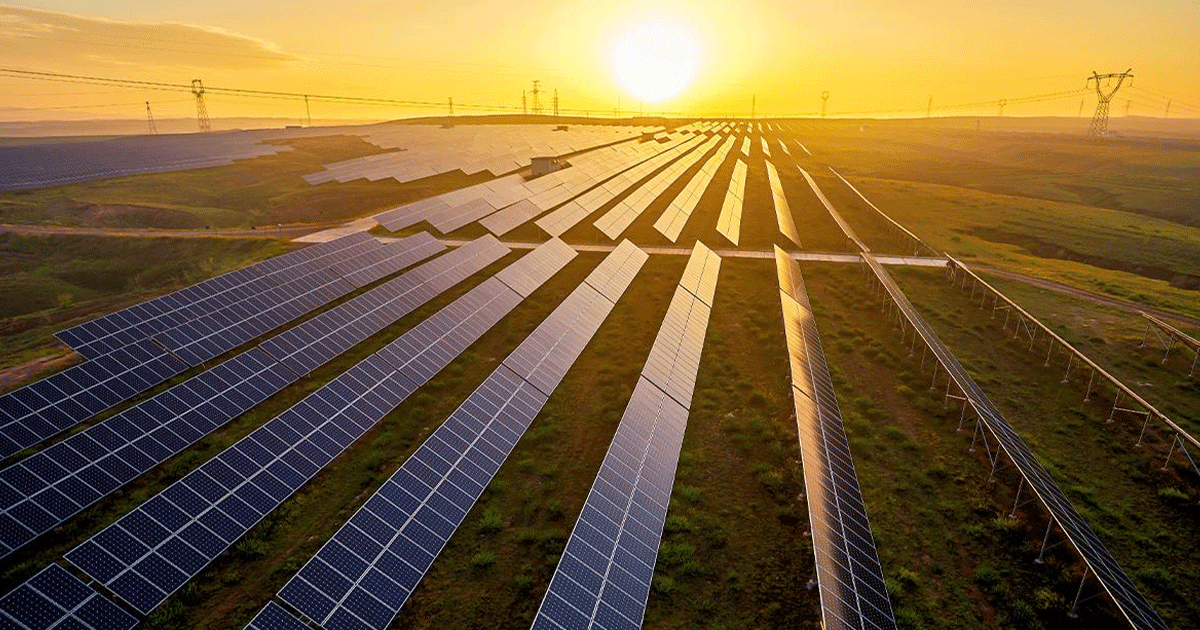

Egypt expands in solar energy.. an agreement to finance the Dendera project with $650 million
Egypt is moving to expand its investments in clean energy, after it announced the signing of an initial financing agreement worth $650 million to establish the Dendera solar energy project in Qena Governorate, in cooperation with the Norwegian company SCATEC and three international development banks, in a step that supports the expansion of solar energy in Egypt and enhances the country’s capabilities to produce electricity locally.
The project comes at a time when Egypt seeks to reduce the natural gas import bill, and raise the share of renewable energy in the electricity generation mix to 42% by 2030. This trend opens a way to understand the relationship between investment in clean energy and economic stability, as local electricity sources can support security. energy and reduce dependence on imported fuel.
$650 million for the Dendera project
The Dendera project is located in the city of Naga Hammadi in Qena Governorate in Upper Egypt, and aims to establish a solar energy station with a total generating capacity of one gigawatt, equivalent to 1,000 megawatts, in addition to a battery system to store electricity with a capacity of 200 megawatts/hour.
According to the Egyptian Cabinet statement, three international development banks are participating in the financing arrangements, namely the European Investment Bank,, the European Bank for Reconstruction and Development, and the African Development Bank, while intends to Al-Ahly of Egypt Obtaining an ownership stake in the company responsible for implementing the project.
and reflect these Participation: The importance of cooperation between local and international financial institutions in collecting the necessary investments to develop renewable energy projects, especially those that need advanced infrastructure and modern technologies for generation and storage.

The agreement remains in its initial stage, making the completion of financing arrangements and actual implementation essential steps to transform the project into new production capacity within the Egyptian electricity network.
Solar Energy Storage
The Dendera project is scheduled to be implemented in two phases, each of which will add 500 megawatts of solar electricity generation capacity, in addition to storage batteries with a capacity of 100 megawatts per hour.
The storage system is of particular importance. The output of solar panels varies according to hours of sunshine and weather conditions, while batteries allow By storing a portion of the electricity produced and using it later according to operating needs and system capabilities.
Combining generation and storage reflects a technical trend in developing renewable energy projects, through improving the management of the electricity produced and increasing flexibility in dealing with production changes.
Here the value of innovation in the energy sector emerges. The expansion of the solar energy file in Egypt is linked to the development of technologies that help benefit from renewable electricity and integrate it efficiently into the supply system.
This aspect also relates to the ninth goal of the Sustainable Development Goals, which is concerned with industry, innovation and infrastructure, through developing an energy infrastructure based on modern generation technologies and storage solutions.
Does the sun lighten the sun? Gas bill?
The new investments place an important economic question at the forefront of the Egyptian energy transition file: How can electricity produced from the sun reduce the country’s need for imported natural gas?
The idea is based on increasing the contribution of renewable sources to electricity production, which allows diversifying the energy mix and reducing the need to use gas in part of the generation operations, according to the network’s capabilities and operating conditions.
This issue is gaining importance in light of the Egyptian government’s efforts to reduce the gas import bill, as the expansion of local generation capabilities represents one of the paths supporting energy security.
Increasing the contribution of solar electricity can also reduce emissions associated with generating electricity from fossil fuels, which links economic interests and environmental goals in Single track.
Here becomes clear the importance of Target 7.2 of Goal 7 of the Sustainable Development Goals, on clean and affordable energy, which calls for increasing the share of renewable energy in the global energy mix.
Every new project that adds renewable generation capacity can support the electricity sector’s transition toward more diversified sources, with actual results remaining tied to operation, production volume, and its ability to meet demand.
Renewable energy on its way to 2030
The Dendera project comes within a broader Egyptian trend that aims for the contribution of renewable energy to reach 42% of the electricity generation mix by 2030, a goal that requires expansion of projects, investments, and supporting infrastructure.
These plans establish energy Solar power in Egypt is part of a regional path in which the African continent is witnessing an increasing interest in exploiting its natural resources to produce clean electricity.

To understand this scene more broadly, you can see the The Earth Guards Foundation’s treatment of the development of solar energy in Africa, and the opportunities that expansion in this sector provides to support the shift towards renewable energy sources.
The Dendera experience demonstrates the importance of investment partnerships in supporting this transformation, as international financing, technical expertise, and local banking participation come together around a project aimed at increasing electricity production and storage capabilities.
From Upper Egypt investments to the energy future
The Dendera project reflects an opportunity to enhance renewable electricity capabilities in Egypt, from Through an investment that combines a large solar station with a storage system, as part of a national trend to diversify energy sources and reduce dependence on imported gas.
This step highlights the importance of the issues addressed by The Earth Guards Foundation; The development of clean energy is linked to enhancing resource security, supporting economic stability, and expanding the benefit of technological innovations.
The success of the project remains linked to the completion of its financing, implementation and operation, until its planned capabilities are transformed into actual electricity that supports the country’s needs.
From Upper Egypt, solar energy projects may open new horizons for an economy that invests in its natural resources to build a more sustainable future .


