

Gold prices are heading towards a third weekly loss under the pressure of the dollar and the tightening of the US Federal Reserve
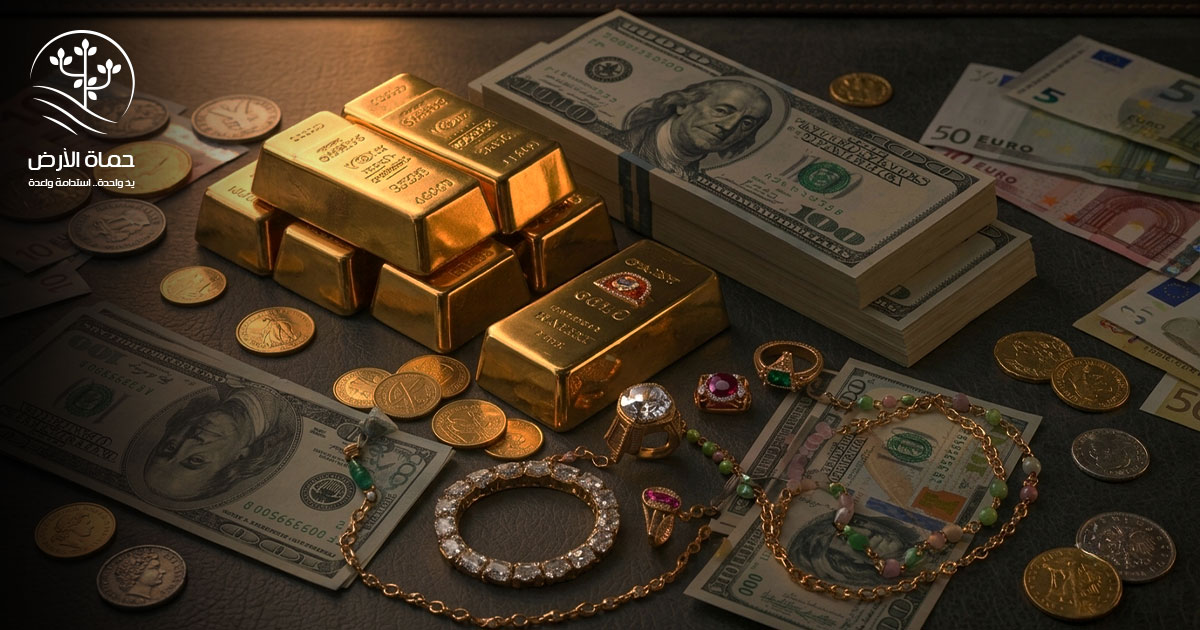

Gold prices are heading towards a third weekly loss under pressure from the dollar and the tightening of the US Federal Reserve
Gold prices are witnessing increasing pressure, with the yellow metal heading towards recording a third weekly loss in a row, in light of the continued strength of theUS dollar and increasing expectations for keeping interest rates high for a longer period. Despite the continuing geopolitical tensions in the Middle East, markets are focusing more on the directions of US monetary policy, which is one of the main factors influencing the movement of gold globally.
Gold’s performance reflects the markets’ sensitivity to central bank decisions and expectations of inflation and economic growth, which is linked to the Sustainable Development Goals (SDGs), especially the eighth goal on economic growth and decent work, and the sixteenth goal related to building strong institutions and enhancing economic and financial stability.
Table of contentsToggle
- Why are gold prices heading to a third weekly loss?
- How does the Federal Reserve affect gold prices?
- What is the role of the US dollar in the decline in gold prices?
- Why are geopolitical tensions still affecting the market?
- How do financial institutions view the future of gold prices?
Why are gold prices heading to a third weekly loss?
Gold prices fell during Friday trading by 0.9%, reaching $4,169.44 per ounce, after falling earlier to $4,119.78, which is its lowest level since June 11. The yellow metal has also continued to trade below its 200-day moving average since June 5, a signal that investors are monitoring to evaluate market trends.
This performance comes after a third week of continued pressures that affected gold prices, in light of the increasing attractiveness of the US dollar and rising expectations of continued tight monetary policy in the United States.

How does the Federal Reserve affect gold prices?
The US Federal Reserve plays a pivotal role in determining gold trends, as it decided to maintain interest rates within a range between 3.50% and 3.75%, while expectations showed that 9 out of 19 US central bank officials expect the need to raise interest during the current year.
Market data indicates a 70% probability of raising interest rates by September, according to investor estimates. High interest represents a pressure factor on gold, as it is an asset that does not generate financial returns, which prompts investors to prefer assets that provide a higher return.
This relationship between monetary policy and precious metals markets highlights how central bank decisions affect the movement of global investments, which leads to questions about the role that the US dollar plays in continuing pressure on the yellow metal.
What is the role of the US dollar in the decline in gold prices?
The US dollar is heading towards weekly gains, which makes gold priced in dollars more expensive for investors who deal in other currencies, which leads to a decline in global demand for the precious metal.
Analysts believe that the continued strength of the dollar, along with expectations that interest rates will remain high for a longer period, places gold facing a difficult investment environment, with risks that will push prices further down.

Why are geopolitical tensions still affecting the market?
Despite pressures from US monetary policy, geopolitical developments still play an important role in guiding markets. Investors are awaiting the results of the US-Iranian negotiations, in addition to the US inflation data expected to be released during the coming period.
These developments confirm that the movement of gold is affected by a combination of monetary policies, economic conditions, and geopolitical tensions that together shape investors’ attitudes.
How do financial institutions view the future of gold prices?
A number of analysts warned of the possibility of gold entering a deeper decline that could push prices below the level of $4,000 per ounce, if pressures resulting from the strength of the dollar and high interest rates continue.
At the same time, Goldman Sachs lowered its forecast for the price of gold by the end of the year to $4,900 per ounce, compared to a previous forecast of $5,400, while maintaining a positive long-term outlook, offset by some caution towards short-term movements.

In conclusion,The recent movements in gold prices reflect the extent of the influence exerted by US monetary policy and geopolitical developments in global markets, as investors have begun to balance economic risks with the returns available in various assets.
In turn,The Earth Guards Foundationpoints to the importance of economic and financial stability as one of the supporting elements for achieving sustainable development. The institution also believes that the clarity of monetary policies and the stability of global markets contribute to enhancing economic confidence and supporting sustainable growth, thus helping to confront the fluctuations witnessed in international markets.


