

Alexandria Metro…a strategic step for sustainable transportation and improving the quality of urban life
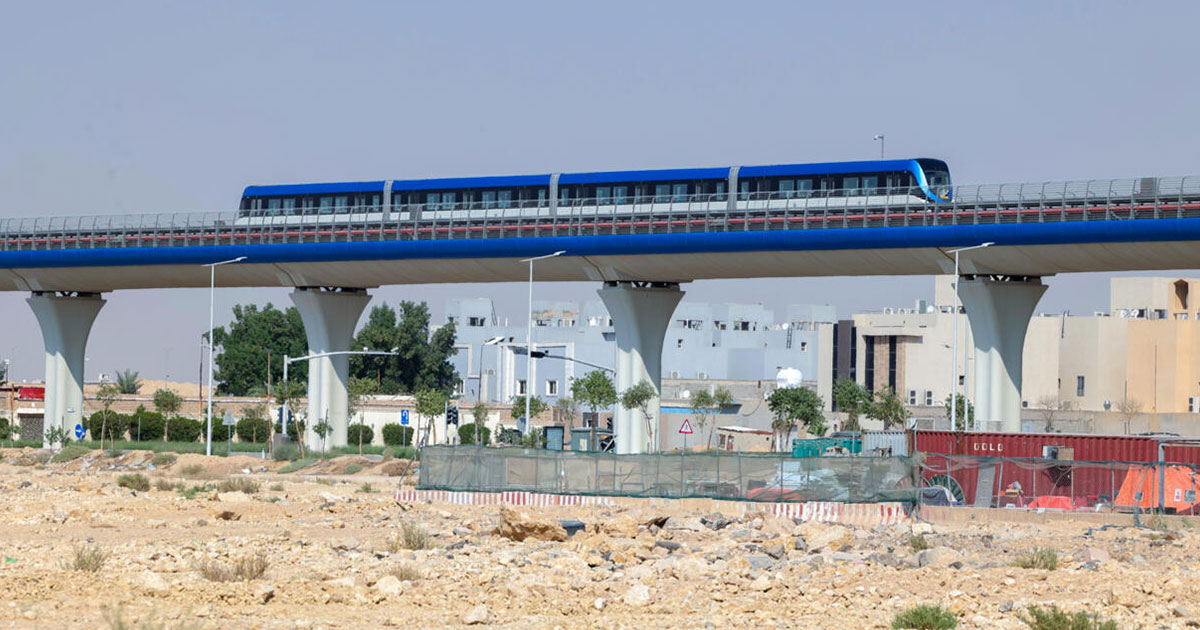
Alexandria Metro…a strategic step for sustainable transportation and improving the quality of urban life
While Cairo has been expanding its green urban transportation networks for years, Alexandria has begun its first practical steps towards launching the Alexandria Metro, as a pioneering urban project in the field ofsustainable transportation, aiming to improve the quality of life in Alexandria. The first phase of the project “Converting the Abu Qir train line into an electric metro” is currently being implemented, which will shorten the travel time from Abu Qir to Misr Station to only 25 minutes, instead of the 50 minutes that the traditional train traveled.
The Alexandria Metro project is being implemented in three successive phases, aiming to establish a modern, sustainable electric transportation network extending from the far east of the city to its western regions, ensuring comprehensive coverage of centers of population density and economic activity. The first phase begins from Abu Qir to Misr Station, followed by the second phase, which extends from Misr Station to Al-Max, with a length of approximately 8 kilometers, passing through densely populated areas in dire need of effective mass transit solutions. As for the third stage, it completes the path from the Mix station until Kilometer 21 west of Alexandria, with a length of about13.5km; To connect the city to the industrial areas and the surroundings of Burj Al Arab.

Details of the first phase
The first phase includes the construction of a line with a length of 21.7 kilometers that includes 20 stations, including 6 surface stations and 14 overhead stations, which provides flexibility in implementation and the ability to adapt to the nature of the existing urban fabric, and the design of this line reflects an accurate understanding of population movement and distribution, in addition to anticipating the future development needs of the city.
Implementation work began in 2024, and the phase is expected to be completed by 2027, with joint financing from the Egyptian government and the European Bank for Reconstruction and Development at a value of 250 million euros. Beams are being installed, piles, columns and slabs are being implemented, in addition to preparing the two operation and maintenance workshops in Abu Qir and Kafr Abdo.
Alexandria Metro is an effective tool for promoting green transportation
It is no secret that transportation is one of the sectors that has the greatest impact on the environment in major cities. Therefore, the Alexandria Metro comes as a practical response to the requirements of sustainable transportation, as Ministry of Environment data indicate that the new metro will contribute to reducing carbon dioxide emissions by about 70 thousand tons annually, as a result of reducing dependence on cars and microbuses. This has a significant impact on air quality in urban areas.
The project enhances energy efficiency by relying entirely on electricity instead of fossil fuels, which contributes to reducing pollution and gives residents a healthier and more sustainable lifestyle. These environmental transformations are inseparable from social aspects, as safe and sustainable means of transportation are considered among the basic rights that guarantee equitable access to opportunities and services.

A itinerary that reflects an accurate urban understanding of the city’s movement
The Alexandria Metro line extends through pivotal stations serving the east and center of the city, including: Sidi Bishr, Al-Asafra, Victoria, El-Shatby, Raml Station, and Misr Station. These stations were designed according to contemporary engineering inspired by the maritime character of the city, taking into account environmental standards.
For years, this area has witnessed constant traffic congestion, as a result of weak infrastructure and lack of alternatives. With the entry into force of the metro, the operating speed will be increased from 25 km/h to 100 km/h. This leap in operational efficiency paves the way for a shift in the lifestyle of daily life within Alexandria.
Integration between Alexandria Metro and other systems
The project’s philosophy is based on intelligent connectivity between transportation systems inside and outside the city. The new metro intersects at Misr Station with the Cairo/Alexandria railway line, and is connected to the Raml tram at Sidi Gaber and Victoria stations. It also meets the Rosetta railway line at Maamoura station. This integration contributes to achieving an interconnected transportation network that reduces the need for private cars and provides greater flexibility for citizens in planning their trips.

This integration also enhances the efficiency of investment in infrastructure, and redirects resources towards supporting mass transportation instead of expanding private roads. International models indicate that this approach to transportation planning is the most capable of reducing geographical disparities and achieving optimal use of resources.
Expansion prospects enhance the development impact of the Alexandria Metro
The vision of the project does not stop at the borders of the first line. Rather, the Ministry of Transport has developed an expansion plan that includes linking the metro to the areas of Smouha and Sidi Gaber, in addition to Borg El Arab Airport, the free zone, and the industrial zones in Margham. Connection with the high-speed train line between Cairo and Alexandria is also being studied, which constitutes an integrated network capable of serving various modes of movement and transportation.
This expansion is a strategic tool to expand the scope of regional development within Alexandria, stimulate investment in infrastructure, and promote economic integration. The greater the ability of citizens to move around efficiently, the greater their chances of accessing job opportunities, health services, and education, which are among the pillars of true sustainability, especially Goal No. (11) sustainable cities and local communities.

The Alexandria Metro Project confirms the existence of a major shift in the city’s planning philosophy and its management style of the human relationship with place. It reflects a national will to re-engineer urban mobility on the basis of environmental and social justice, where resources and opportunities are redistributed through sustainable mass transportation, away from unilateral dependence on private cars and asphalt roads.
TheThe Earth Guards Foundation believes that the strength of the project is not measured only by the completed infrastructure, but rather by its ability to bring about a shift in urban culture towards greater efficiency and equity. Alexandria today is rebuilding its relationship with its future, and sending a civilized message that the transition to sustainable transportation has become an indispensable path.


