

Health security in Africa.. Is the world ready for the next epidemic?

Health security in Africa.. Is the world prepared for the next epidemic?
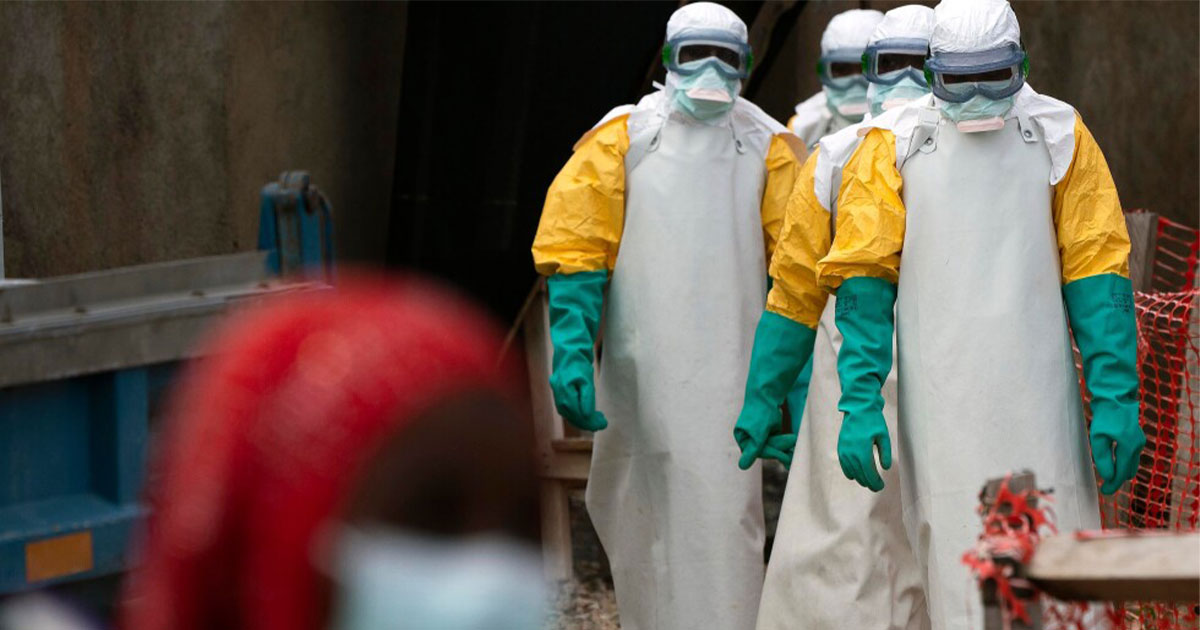
The fileHealth security has returned to the forefront of international attention with the renewed outbreak of the Ebola virus in some African countries, at a time when the World Health Organization has warned of the continuing gaps that hinder the world’s ability to prepare for future epidemics. While the effects of the Covid-19 pandemic are still fresh in global memory, recent reports indicate that the pace of investment in health preparedness is not keeping pace with the increasing risks threatening public health at the international level.
These warnings came in conjunction with the issuance of a report entitled“A World on the Edge: Priorities for a Future More Capable of Confronting Epidemics”byGlobal Preparedness Monitoring Boardof the World Health Organization and the World Bank, which confirmed that the world is still far from the required level of preparedness despite the lessons revealed by previous health crises such as Ebola. And Covid-19.
The importance of this file is increasing in light of the continued emergence of new infectious diseases and the growing risk of their spread across borders as a result of international travel and trade, which makes strengthening health security a global priority that requires international cooperation and sustainable investments in health infrastructure and scientific research.
This topic is related to the Sustainable Development Goals (SDGs), especially the third goal on good health and well-being, and the ninth goal on innovation and infrastructure, in addition to the seventeenth goal on international partnerships, as health security represents an essential element in protecting societies and enhancing their ability to confront health emergencies.
Why is the world still not prepared for pandemics?
Despite the passage of years since the Covid-19 pandemic and the global health crises that preceded it, the report of the Global Epidemic Preparedness Monitoring Council indicates that many countries have not yet succeeded in addressing the weaknesses revealed by these experiences.
The report explains that the risks of epidemics increase with the acceleration of human mobility, environmental changes, and increased interaction between humans and wildlife. In contrast, investments allocated to pandemic preparedness have not witnessed growth commensurate with these risks.
The report also finds that many of the recommendations put forward over the past years are still not implemented as required, which leaves health systems facing major challenges when any new health threat emerges.
These concerns are particularly prominent in Africa, which in recent decades has witnessed a number of epidemics and infectious diseases that have placed significant pressure on health systems and local economies.

Disease surveillance and building health sovereignty
Efforts to build health sovereignty are based on a set of basic elements that help enhance the readiness of health systems and their ability to deal with future challenges, the most prominent of which is developing health data systems and enhancing cooperation between health institutions at the national and regional levels.

Health data and its role in preparing for epidemics
The collection and analysis of health data is one of the most important elements of modern health security, as epidemiological surveillance systems help in early detection of diseases, tracking their spread, and assessing the risks associated with them. This data contributes to supporting health decisions, developing vaccines and treatments, and improving emergency response. Health data has also become a strategic resource that countries rely on in health planning and scientific research.
Health experts stress the importance of countries having effective national systems for managing health data, ensuring that they are used to serve local communities and enhance the ability to confront future crises.
Cooperation between African health institutions
The report also points out the importance of strengthening cooperation between African and regional health institutions, most notably the African Centers for Disease Control and Prevention and the World Health Organization, to ensure coordination of efforts related to disease surveillance and rapid response to health threats. Specialists believe that regional coordination has become increasingly necessary in light of the cross-border nature of many epidemics and infectious diseases.

Health personnel are the pillar of health security
Health personnel represent the first line of defense in the face of epidemics and health emergencies, as the effectiveness of any health system depends on the availability of doctors, nurses, technicians, and researchers who are able to detect diseases early and respond quickly to them. For this reason, health experts stress that building human capacity is no less important than developing infrastructure or providing financing.
From capacity building to sustaining it
The report believes that many countries, especially in Africa, have focused over the past years on training health personnel without providing sufficient conditions to retain them in the long term. This leads to a loss of expertise and a migration of talent, which is reflected in the ability of health systems to deal with recurring crises.
Enhancing health security also requires providing an appropriate work environment that includes equipped laboratories, medical equipment, and the necessary research materials, in addition to providing professional and psychological support for workers in the health sector. These factors help raise productivity and stimulate local competencies to contribute to developing solutions that suit the health challenges facing their communities.
Specialists confirm that investing in the human element represents one of the most important components of health preparedness, as an effective response to epidemics cannot be achieved without qualified and stable cadres who possess the resources and tools that enable them to perform their role efficiently.
Vaccines and local manufacturing
Efforts aimed at enhancing health security include a number of axes related to providing vaccines and medical technologies and building national capabilities in the field of health manufacturing, in a way that supports countries’ readiness and ability to face future challenges.
Equitable access to health technologies
Recent health crises have demonstrated the importance of ensuring equitable access to vaccines, treatments, and modern medical technologies, especially in developing countries that have faced great challenges in obtaining some health supplies during emergency periods. For this reason, calls are increasing to strengthen technology transfer mechanisms and facilitate international cooperation, allowing countries to build their own capabilities in the field of medical manufacturing.
Enhancing local manufacturing
Domestic manufacturing of vaccines, diagnostics, and medical supplies also represents an important step towards strengthening health security and reducing dependence on external supplies during crises. Developing local health industries also helps raise the readiness of health systems and improve the speed of response when any new epidemiological threat emerges.

Financing and preparedness for health crises
Enhancing health preparedness requires providing sustainable financial resources that support the development of health systems and enable them to respond quickly to crises, whether through increasing local investments or establishing financing mechanisms dedicated to health emergencies, most notably:
Sustainable investment in health
The report stresses the importance of increasing local investments allocated to the health sector as one of the most important factors in enhancing preparedness for epidemics and health emergencies. Health experts stress that complete reliance on foreign aid may not provide sustainable solutions in the long term, which makes local financing an essential element in building strong and resilient health systems.
African Epidemic Fund
A recent initiative in this field is the establishment of theAfrican Epidemic Fund in 2025, with the aim of supporting efforts to prepare for and respond to health crises on the continent.
This initiative is seen as a model that contributes to providing the financial resources necessary to quickly deal with health threats, while emphasizing the importance of transparency and accountability in managing these resources.
Health security is a political and societal responsibility
Enhancing health security depends on medical institutions coupled with long-term political commitment that ensures continued allocation of resources and implementation of effective health policies. Local communities also play an important role in the success of epidemic prevention and response efforts by promoting health awareness and participating in prevention and community monitoring programs, and experts stress that preparing for epidemics must remain an ongoing priority that depends on advance planning and long-term investment in public health.
In conclusion,The Earth Guards Foundation highlights the importance of strengthening health security as one of the main foundations for protecting societies and achieving sustainable development. It also confirms that what was stated in the report of the Global Preparedness Monitoring Board highlights the urgent need to invest in health preparedness and develop systems capable of preventing, early detection and effective response to epidemics, thus contributing to protecting current and future generations from increasing health threats.


