

Europe is considering increasing reliance on nuclear energy in light of concerns about energy security
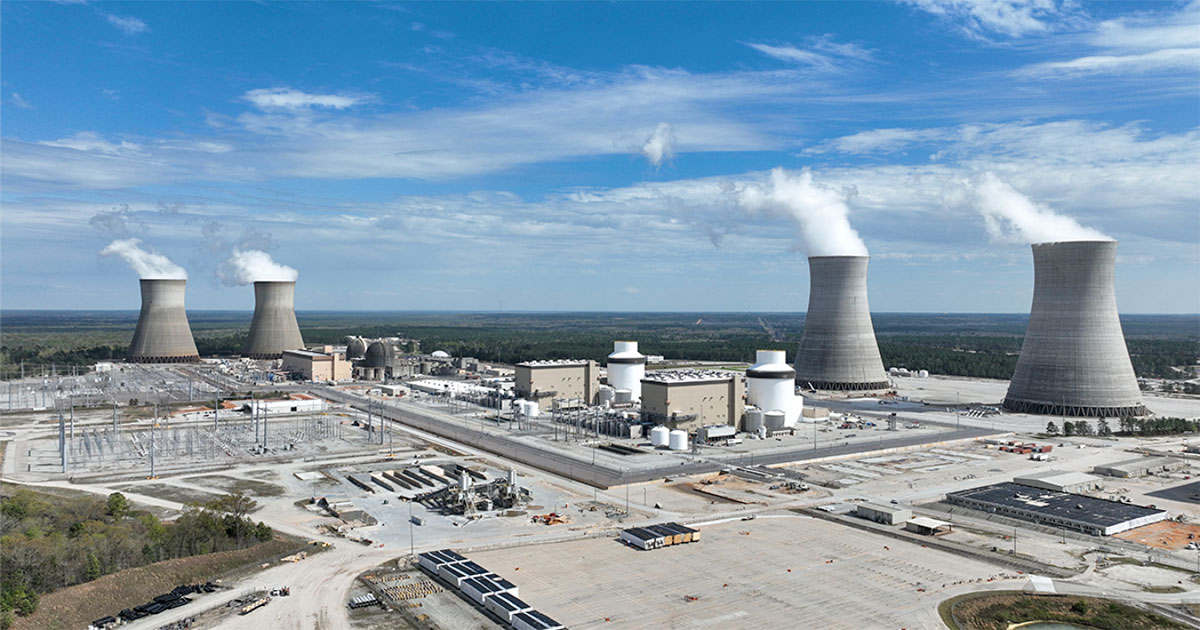

Europe is considering increasing reliance on nuclear energy in light of concerns about energy security
The energy sector in Europe is witnessing rapid transformation in light of the fluctuations in fuel markets and the increasing impact of geopolitical tensions on global energy supplies. In this context, the discussion about the return of the role ofnuclear energy has returned to the forefront of interest within the European Union, especially with rising energy prices and increasing fears of heavy reliance on fossil fuel imports.
These discussions come at a time when European countries seek to achieve a balance between ensuring energy security and accelerating the transition towards low-emission sources. While European policies focus on expanding reliance on renewable energy sources, some European leaders have begun to point out the importance of re-evaluating the role of nuclear energy within the future energy mix on the continent.
European energy security under the pressure of crises
Geopolitical crises in recent years have shown how sensitive Europe’s energy sector is to global supply disruptions. The rise in energy prices as a result of international tensions has highlighted the continent’s heavy dependence on oil and gas imports from abroad.
In this regard, European discussions have begun to move towards searching for more stable energy sources that can reduce exposure to global market fluctuations. The role of nuclear energy in this context is highlighted as a source capable of providing stable electricity with low carbon emissions compared to fossil fuels. With increasing interest in this aspect, the circle of discussion about options available to enhance energy security within the European Union is expanding, which opens the way for a re-evaluation of the position of nuclear energy within energy policies on the continent.

Nuclear energy in Europe between decline and reevaluation
Nuclear energy in Europe has witnessed a noticeable decline over the past decades, as a result of political decisions taken by some countries to reduce reliance on it within the electricity production mix. Data indicate that nuclear energy provided about a third of electricity in the European Union in 1990, before its share gradually decreased to approximately 15% at the present time.
This decline came in the context of political and environmental trends that sought to reduce reliance on nuclear energy after concerns related to safety and nuclear waste management. However, recent transformations in global energy markets have raised new questions about Europe’s ability to maintain stable electricity supplies without relying on fixed, low-emission energy sources, which is prompting decision-makers to reconsider the role of nuclear energy within the European energy mix.
Small nuclear reactors and new technology
In parallel with these transformations, the European Union is moving to support the development of modern nuclear technologies, includingsmall nuclear reactors known as SMRsThese reactors are characterized by more flexible designs and lower costs compared to conventional reactors, which makes them an option for modernizing the energy infrastructure in the future.
The European Union announced the provision of financial guarantees worth 200 million euros to support investments in developing this technology, in a step aimed at accelerating innovation in the nuclear energy sector. It is expected that these reactors will begin operating during the next decade, which may contribute to enhancing Europe’s ability to diversify sources of electricity production.

Nuclear energy and sustainability in the energy mix
With the growing need to reduce carbon emissions, debate is emerging about the role of nuclear energy in supporting the transition towards a low-carbon economy. Producing electricity from nuclear energy has limited emissions compared to fossil fuel plants, which makes it one of the options that may help achieve emissions reduction goals.
Combining nuclear energy with renewable energy sources may contribute to building a more stable energy system, as renewable sources provide clean electricity while nuclear energy contributes to ensuring continuity of supply when solar or wind energy production fluctuates. This potential integration reflects an increasing trend towards diversifying the energy mix to support the stability of electrical networks.

In sum, recent developments reflect that the debate on nuclear energy in Europe has become part of a broader dialogue about the future of energy and security of supply on the continent. As the challenges associated with global energy markets continue, European countries are seeking to re-evaluate their options to ensure a balance between environmental sustainability and economic stability.
The Earth Guards Foundation believes that the success of the energy transition requires diversifying energy sources and promoting innovation in low-emission technologies, including the development of renewable energy and modern nuclear technology. This trend is linked to the Sustainable Development Goals (SDGs) that support the provision of clean, reliable energy at affordable prices, and strengthening the energy infrastructure, which contributes to building energy systems more capable of facing future challenges.


