

Big technology companies are under European pressure to regulate the digital market and enhance competition
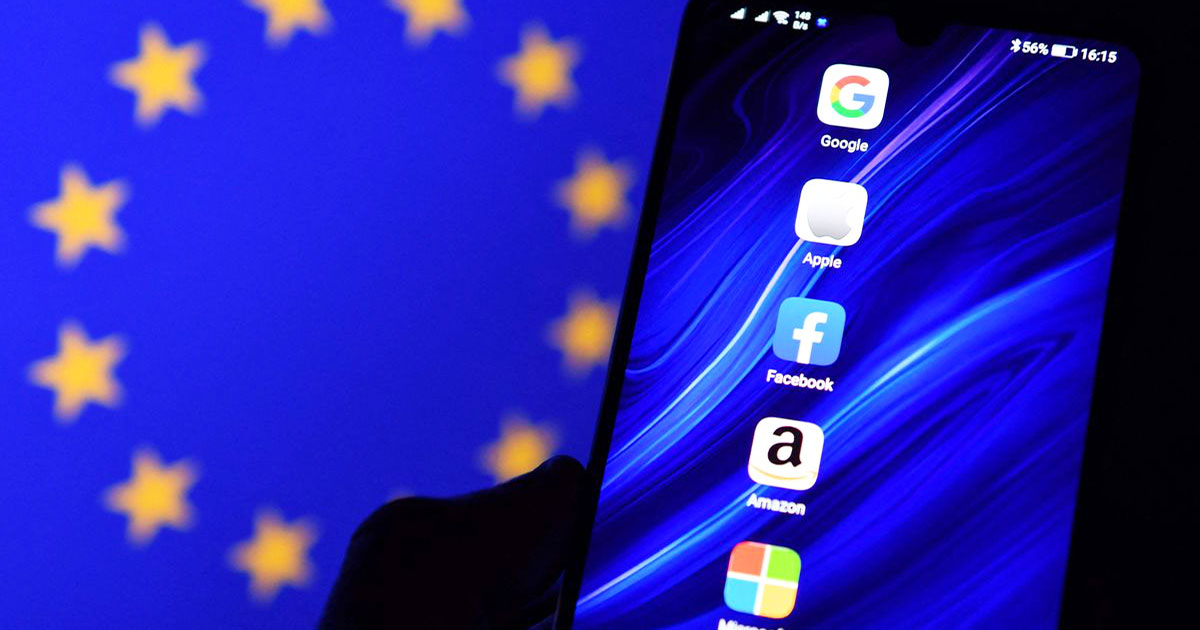

Big technology companies under European pressure to regulate the digital market and enhance competition
The European digital market is witnessing an escalation in controversy over the influence ofmajor technology companies, in light of the expansion of its role within the system of content distribution and access to users. With the increasing prevalence of smart devices such as Internet-connected TVs and associated operating systems, these companies are beginning to gain a more influential position in determining how content reaches audiences.
In this context, European media organizations called for the necessity of subjecting these platforms and devices to more stringent regulatory rules, in an attempt to restore balance within the digital market. These demands come at a time when the European Union is working to strengthen its digital legislation to limit the dominance of major technology companies and ensure a fairer competitive environment.
Smart devices expand the influence of major technology companies
The proliferation of operating systems associated with smart TVs has strengthened the presence of technology companies within the media and entertainment sector. Systems such as Android TV, Fire OS, and Tizen have witnessed significant growth in their market share in recent years, which reflects the expansion of the role of these companies from mere technical service providers to major players in the content market.
In this context, the influence of these companies is no longer limited to applications or digital platforms, but has extended to include the infrastructure through which content is displayed, which gives them greater ability to influence the user experience and direct viewing choices. As the role of these systems grows, fears are increasing about their impact on freedom of access to content within the digital market.

Concerns of hegemony controlling access to content
With this expansion, concerns have grown within the media sector about the ability of major technology companies to control users’ access to content. These concerns indicate that a limited number of companies now have the ability to influence how content is distributed and reached the audience, by controlling operating systems and digital platforms.
There are also fears that these companies will push users to remain within their own systems, which may limit the freedom to move between different applications and affect the opportunities for competition within the market. In this context, the media sector is demanding that these systems be classified as “gatekeepers” – that is, platforms that control access to users – within European digital laws, which imposes stricter regulatory obligations on them. In essence, these demands reflect a growing awareness of the existence of gaps in the current regulatory frameworks, which opens the door to talk about a regulatory gap in dealing with modern digital technologies.
Regulatory gap in dealing with new technologies
Although the European Union has implemented laws aimed at limiting the influence ofbig technology companies, rapid developments in digital technologies have created a clear regulatory gap in some areas, especially with regard to smart devices and virtual assistants. As the role of these technologies in daily life expands, they represent new control points for access to users and content, which was not taken into account when drafting many current legislative frameworks.
Also, existing digital laws mainly focus on traditional platforms such as search engines and social networks, while some new systems, such as smart TV operating systems and voice assistants, are still outside the scope of full regulation. This means that these technologies can play an increasing role in driving content without being subject to the same level of censorship or obligations imposed on other platforms.
With the acceleration of innovation in this field, questions are increasing about the ability of current legislative frameworks to keep pace with the successive transformations in the digital market, especially in light of the entry of artificial intelligence technologies and their integration with smart devices. This reality reflects an increasing need to develop more flexible and comprehensive regulatory policies that ensure achieving a balance between supporting innovation and preventing the concentration of influence in the hands of a limited number of companies.

A growing conflict between media and technology companies
These developments reflect a growing struggle between traditional media organizations andBig Tech companies, as each side seeks to strengthen its position within a rapidly transforming market. While media organizations rely on producing content, technology companies own the tools and platforms that control its distribution, which gives them greater ability to influence how this content reaches the audience.
In light of this reality, there are increasing demands to establish regulatory rules that ensure achieving a greater balance between the two parties, allowing for the preservation of content diversity and enhancing opportunities for competition within the market. In this context, the role of digital governance is highlighted in formulating legislative frameworks capable of regulating the relationship between content producers and technical platforms, in a way that limits the concentration of influence and prevents practices that may affect market fairness.
With the development of these regulatory frameworks, a more transparent and equal opportunity digital environment can be promoted, as balanced laws allow all parties to work within clear rules that support innovation and protect competition. This trend also contributes to building a more sustainable digital market, by ensuring the diversity of content and the continuity of different business models, thus enhancing the stability of the sector in the long term.
In light of these developments, it is clear that the future of the digital market is no longer linked only to technological progress, but rather to the ability of regulatory frameworks to keep pace with this rapid change. With the increasing influence of major technology companies, there is a need for policies that ensure a careful balance between supporting innovation and preventing the concentration of power within the market.
In this context,The Earth Guards Foundation confirms that developing digital governance represents a pivotal step towards building a more just and sustainable environment, as flexible and clear laws contribute to enhancing competition and protecting content diversity.
Achieving this balance is one of the pillars of digital sustainability, which supports the growth of the digital economy in a way that takes into account the interests of all parties and enhances its stability in the long term, in line with reducing inequalities (Goal 10) and peace, justice and strong institutions (Goal 16).


