

UN warning: Climate change threatens the future of planet Earth by 2050
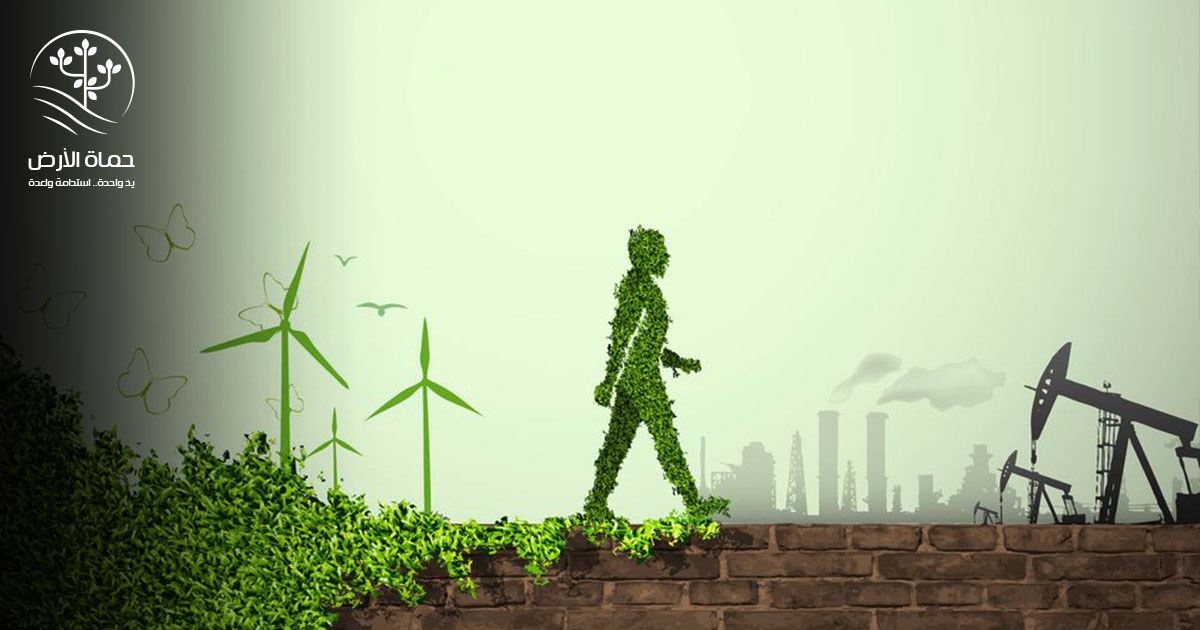

United Nations warning… Climate change threatens the future of planet Earth by 2050
Global attention is turning to the climate change crisis, which threatens the stability of natural and economic systems at the same time. As temperatures continue to rise, pollution levels increase, and biodiversity is lost; Scientific warnings are mounting that the planet may face a more turbulent environmental future if decisive action is not taken in the next few years.
This is confirmed by the seventh edition of theGlobal Environment Outlook (GEO-7) report issued by the United Nations Environment Programme, which paints a disturbing picture of what the coming decades of the Earth’s life may look like, except that it confirms that the current path is not inevitable, and that avoiding the worst scenarios is still possible if countries quickly adopt effective policies to address climate change, the degradation of ecosystems and increasing pollution.
Concerning the highlights of this report,Earth Guardsshed light on its dimensions and manifestations in the global environmental reality, and how this crisis can be addressed within the framework of the Sustainable Development Goals (SDGs), and according to its social, economic and environmental dimensions; So keep reading.
Image of planet Earth in 2050
With this international report, in which about 300 scientists participated, it relied on scientific models that anticipate the features of the world by the year 2050 in the event that three main patterns of environmental pressures continue:

- Rising pollution
- Increase in greenhouse gas emissions
- Expansion in the destruction of natural spaces.
Hence, expectations indicate that greenhouse gas emissions may reach about 75 billion tons annually by the middle of the twenty-first century, which represents an increase of approximately 50% compared to current levels. Such a rise would destabilize the global climate system and lead to an increase in the severity of heat waves that could affect nearly 9 billion people. That is, most of the world’s population.

Climate change depletes resources
The report also highlights the growing pressure on natural resources. It is expected that the volume of raw materials extracted annually will reach 165 billion tons by 2050, an increase of more than 60% compared to 2020. This includes minerals, metals, and fossil fuels. These are extraction processes that are usually associated with the destruction of large areas of natural ecosystems. Hence the loss of biodiversity.
Although expectations indicate a slight decline in air pollution levels globally, the steady urbanization will make a greater number of people exposed to air pollutants. By 2050, 4.2 billion people may be permanently exposed to dangerous concentrations of fine particulate matter, which is one of the most dangerous air pollutants linked to respiratory and heart diseases.
Potential global economic losses
In addition to the above possible repercussions at the level of environmental systems, the climate change crisis will extend to global economic indicators. Because climate change alone, according to data from the Global Environment Outlook report, may lead to a decline in global GDP by about 4% annually by 2050, with the possibility that this loss will rise to 20% by 2100 if current trends continue.
It is also estimated that pollution and nature degradation will add additional economic pressures, with the poorest groups bearing the brunt of these disruptions; This may lead to deepening the inequality gap between countries and societies.

The window of opportunity is open
Despite the bleak picture presented by the Global Environment Outlook report, scientists confirm that the planet’s environmental future is still subject to change. Because dealing with the climate crisis, biodiversity loss and air pollution; All of them require radical transformations in economic policies and patterns of production and consumption.
This includes rethinking the management of natural resources, improving energy and food systems, developing more sustainable mechanisms for dealing with materials and waste, as well as strengthening environmental protection efforts at the local and international levels.
In light of these data, it becomes clear to us that the climate change crisis has become a central challenge that affects the future of the global economy and the stability of human societies. The scenarios presented by the Global Environment Outlook report issued by the United Nations Environment Programme; It reveals that the coming years will be decisive in determining the path that planet Earth will take.
The essence of the message that the report carries is, according to the opinion ofEarth Defenders Foundation, that time has not yet run out, even if it is quickly running out; Therefore, we must truly move towards a low-carbon economy, and work to achieve integration between environmental policies, development and social policies, ensuring the protection of natural resources without slowing down the wheel of sustainable development.


