

Within the framework of digital transformation, Egypt launches an electronic system to control car fuel consumption
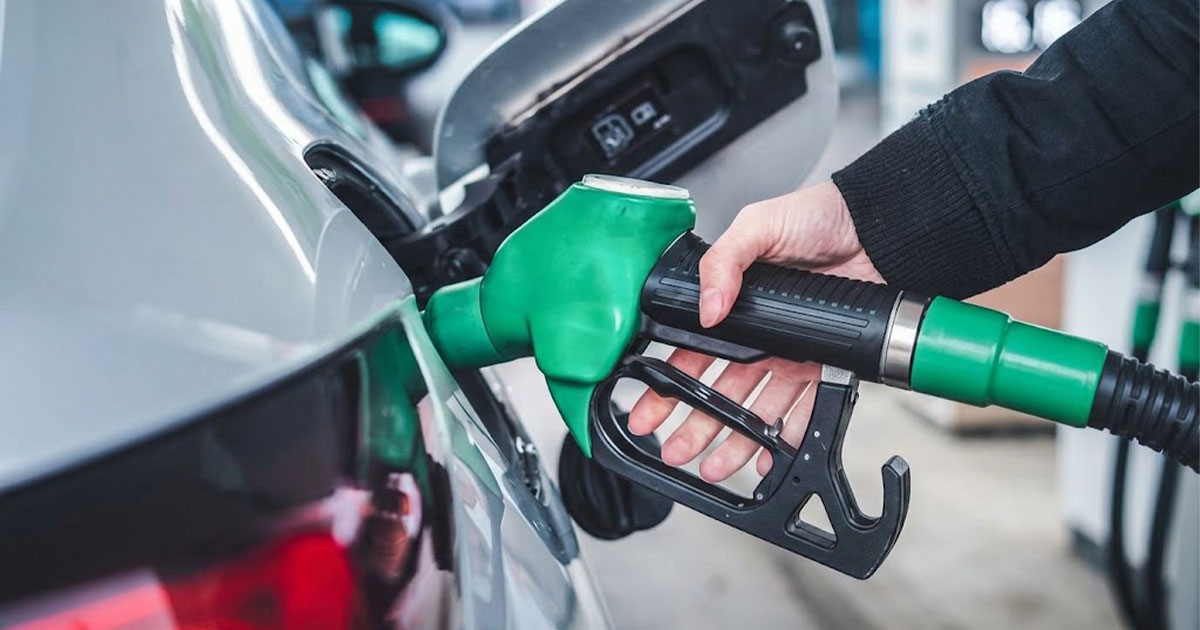

Within the framework of digital transformation, Egypt launches an electronic system to control car fuel consumption
Digital transformation in the petroleum and mineral resources sector is the use of electronic tools to track petroleum products from the trading stage until these products reach the consumer; From this standpoint, Egypt begins its experiment with a system based on an electronic sticker for cars, through a trial run in Port Said Governorate, starting from November 1, 2026.
Before starting to list the details of this news, we should answer the question: What is digital transformation? It is the use of modern technologies in redesigning processes and services. To become more accurate, faster and more transparent. It is a transformation linked to sustainable development goals based on efficiency, justice and protection Resources, which are goals that are best achieved when reliable data are available; Here the automotive fuel system meets the United Nations 2030 Agenda.
News details
The Ministry of Petroleum and Mineral Resources states that the system does not seek to reset gasoline prices, nor to determine the quantities spent; In doing so, it serves the Sustainable Development Goals related to strong institutions (Goal 16), and before it Goal 12, related to responsible consumption and production.
New car fuel system?
In detail, the Ministry of Petroleum and Mineral Resources – in coordination with the Ministries of Interior, Communications and Information Technology – announced a vision for an electronic system that would control the distribution of petroleum products. Preventing leakage and smuggling, and tightening control over any illegal practices.
How does the system work?
The new system collects vehicle fuel supply data through an electronic sticker issued by traffic units. Thus, the supply chain is followed through the various stages of circulation until it reaches the final consumer.
In simpler terms, every catering process has a visible digital trace that can be accurately analyzed and tracked. This is instead of the traditional system relying on paper-based oversight or field oversight alone. All of this comes in implementation of the goals and seventeen goals of sustainable development, which call for supporting digital transformation, specifically the eleventh goal, concerned with building sustainable cities and local communities.

When does the system start?
| Item | Details |
| Start date | Sunday, November 1, 2026 |
| Experiment location | Port Said Governorate |
| Duration of trial run | One month |
| Trial duration goal | Enabling car owners to adjust their situations, and completing coverage of all car fueling stations |
What does the car owner do?
The trial period of the new electronic system allows the reconciliation of the situation of the car owner who does not yet have the electronic sticker. Accordingly, the initiative recommends installing the electronic sticker during the trial month, in order for the car owner to avoid any subsequent confusion.
The electronic poster for the automobile fuel system is supposed to be issued by the traffic units affiliated with the Ministry of Interior, as part of the shift of all sectors and ministries towards comprehensive digital transformation, in accordance with “Egypt Vision 2030.”
Does the system change gasoline prices?
The Ministry of Petroleum confirms that the system is not linked to what is happening around gasoline prices; The purpose of this digital transformation is primarily regulatory. To help the system monitor abnormal consumption patterns and support oversight and inspection work.
Based on the above details, the system for controlling automobile fuel consumption reveals a deeper meaning of digital transformation. The true value of technology is measured by its ability to address imbalances in resource management and transform dispersed information into more accurate and fair decisions.
From the perspective of sustainable development goals, this Egyptian experience opens a way to read the relationship between digitization and sustainability from a perspective that goes beyond just modernizing services, through rationalizing resource management and promoting responsible consumption patterns.
From the point of view of The Earth Guards Foundation, the most important test for this system lies in the success of its operation during its trial month, and in its ability to prove that digital control can reduce the waste of resources, close outlets for manipulation, and improve the efficiency of fuel distribution without placing unjustified burdens on citizens.
This is because sustainable development requires institutions that know how to manage their resources before looking for additional resources, and technology that makes facts clearer and accountability more effective. That is, data turns into a tool for protecting public money, and distribution efficiency becomes a criterion for institutional performance. Here, digitization acquires its developmental meaning. The goal is to build a more disciplined model of resource management, and one that is more capable of preserving the rights of future generations.


