


International praise for the development of health care.. Egypt is free of malaria for the second year in a row
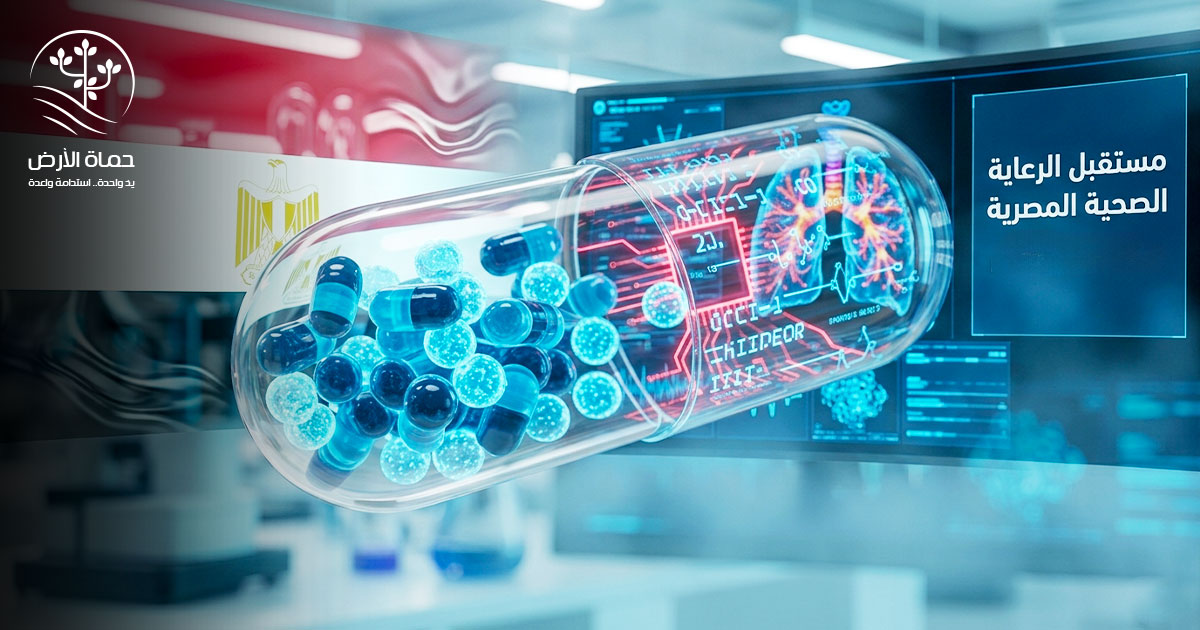

International praise for the development of health care.. Egypt is free of malaria for the second year in a row
As part of its tireless endeavor to strengthen the health care system, Egypt has continued over the past years to implement an integrated strategy aimed at improving the quality of medical services and enhancing the capabilities of disease prevention and control, which reflects a clear commitment to building a health system capable of facing various challenges. These efforts have relied on scientific planning and expansion of public health programs, in addition to developing surveillance and early response mechanisms.
These endeavors have culminated in achieving a prominent international achievement that reflects the success of the Egyptian experience in this vital sector, and confirms its ability to achieve tangible progress in public health indicators and combating global epidemics. This supports the path of health care development and enhances Egypt’s position as a role model in adopting effective and sustainable health policies.
The success of the preventive system amid international praise
In this context, the Ministry of Health and Population announced the results of its preventive system during the first quarter of 2026, coinciding with Egypt obtaining international certification that it is free ofMalaria for the second year in a row, becoming the tenth country in the world to receive this recognition, in a practical embodiment of the objectives of the World Health Organization’s Global Technical Strategy for Malaria. 2016-2030, and in line with the Sustainable Development Goals (SDGs) related to achieving good health and well-being.
In turn, Dr. Hossam Abdel Ghaffar, the Ministry’s official spokesman, confirmed that Egypt has provided an inspiring model to the whole world that proves that political will, when combined with scientific planning, is capable of defeating the most severe epidemics,” stressing that “the health of Egyptians was and will remain a red line, and that victory over malaria is a milestone in the process of building a society that enjoys prosperity and comprehensive health security, which indicates the development of health care in Egypt.

Epidemiological surveillance and field results
While Dr. Amr Kandil, Deputy Minister of Health and Population, explained that this achievement documents Egypt’s firm commitment to the World Health Organization plan that aims to reduce infection and death rates by no less than 90%, and also highlights its diligence in achieving the Sustainable Development Goals (SDGs) and enhancing health care, stressing that the ministry is working according to an integrated plan to strengthen the epidemiological and insect surveillance system in the face of the escalating challenges of climate change and its impact on the spread of disease vectors, in a way that also supports the achievement of the Sustainable Development Goals (SDGs), in particular Linked to good health and climate action.
With regard to field indicators, officials at the Ministry of Health revealed that more than 58,000 samples were analyzed within the framework of the epidemiological vigilance system, all of which were negative, in addition to conducting epidemiological investigation of 244 imported cases and examining more than 6,500 contacts to verify that the country is free of any active epidemiological hotspots. In addition to examining about 19,000 nightly blood samples to detect filariasis or elephantiasis, no infection was recorded, while providing rehabilitation services for 137 cases and implementing 330 home visits for unable cases.
In the same context, the Ministry of Health and Population revealed that the initiative to eliminate schistosomiasis and intestinal parasites included examining more than two million samples and treating positive cases as soon as they were discovered, adding that the preventive programs extended to include administering doses to more than 90,000 fishermen and members of their families in 14 governorates with a record coverage rate of 95.9%, while the early surveillance system for trachoma (an infectious disease that affects the cornea of the eye) monitored more than 814 thousand cases, about 433 of which underwent immediate treatment.

In conclusion, in light of Egypt’s international achievement in declaring it free of malaria for the second year in a row, the features of significant development are evident in the health care sector, which is based on moving from the traditional response to diseases to an integrated preventive approach based on early surveillance and long-term scientific planning.
This path reflects the state’s ability to build a more efficient health system, in which institutional efforts are integrated with international standards, thus enhancing its ability to confront changing epidemiological challenges, especially in light of the effects of climate change on the patterns of disease spread.
The Earth Guards Foundation appreciates this achievement, and confirms that it represents a practical translation of the integration of health policies with the Sustainable Development Goals (SDGs), especially the third goal related to good health and well-being, as improving health indicators has become part of a broader vision aimed at building a safer and more stable society, and this model consolidates Egypt’s position as a regional actor capable of providing a health experience. Inspiring, combining scientific competence and long-term development commitment.


