


Egypt participates in a high-level round table organized by UNICEF to discuss ways to develop education
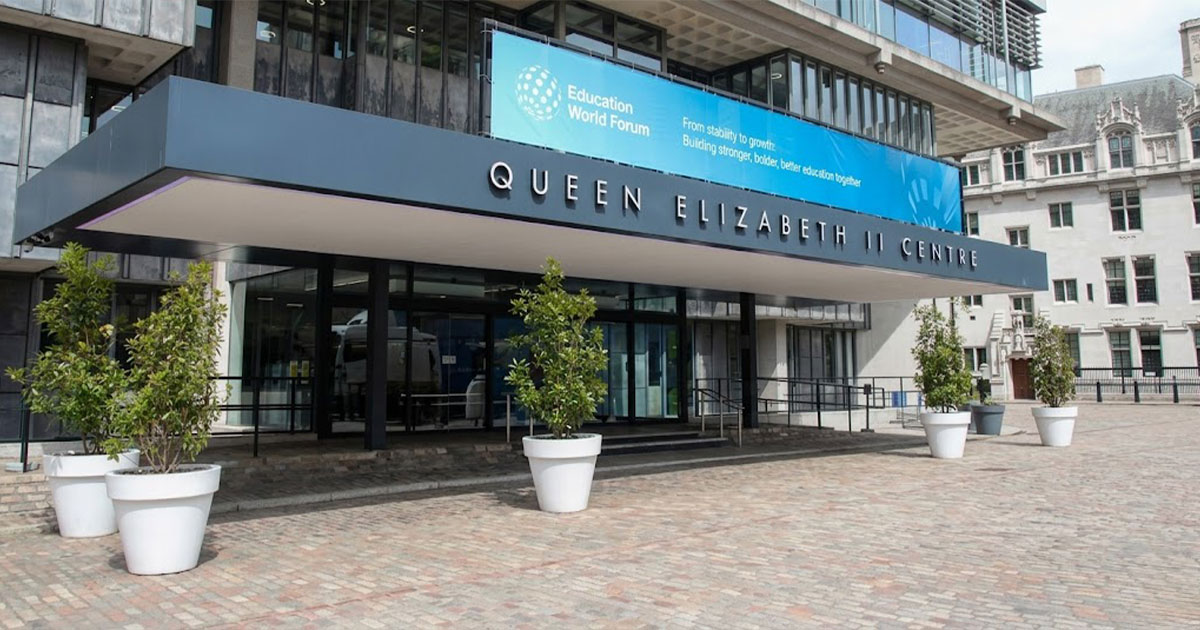

Egypt participates in a high-level UNICEF round table to discuss ways to develop education
Developing education is one of the basic pillars for achieving progress and prosperity for peoples, as it is the main driver for building human capabilities and enhancing sustainable development opportunities, in addition to its role in supporting social and economic stability and keeping pace with the rapid transformations that the world is witnessing.
In light of the successive technological and cognitive developments, developing the educational system and investing in human capital have become strategic priorities through which countries seek to build generations more capable of innovation and adapting to the requirements of the future.
The development of education is also closely linked to achieving the Sustainable Development Goals (SDGs), especially the fourth goal on quality education, in addition to the associated goals related to eradicating poverty, promotingeconomic growth, achieving social justice and building more sustainable societies.
In this context, Egypt continues its efforts to develop education by implementing comprehensive reform programs and enhancing cooperation with international development partners, most notably the United Nations Children’s Fund (UNICEF), whose partnership with Egypt extends for many years in supporting the development of the educational process, enhancing the quality of education, and expanding learning opportunities, which contributes to building a more efficient and sustainable educational system.
Global Education Forum in London
In this context, Mr. Mohamed Abdel Latif, Minister of Education and Technical Education, participated, on the sidelines of the World Education Forum held in the British capital, London, in high-level ministerial roundtable activities organized by the United Nations Children’s Fund (UNICEF) on the future of education and ways to enhance basic learning skills, in the presence of a number of education ministers and educational policy makers from various countries.
On the sidelines of the meeting, the Minister appreciated the strong and fruitful cooperation with UNICEF, stressing the Egyptian state’s keenness to continue cooperation with the organization in a way that contributes to achieving the goals of developing education, especially after a series of measures that the sector witnessed during the past two years, which included developing curricula and increasing reliance on digital education tools.
Developing the education system requires building strong partnerships based on exchanging experiences and benefiting from successful international experiences, and Egypt continues its efforts to implement a comprehensive reform plan aimed at restoring the true role of the school as an effective educational environment capable of achieving real and sustainable learning outcomes.

Investing in the human element and supporting institutional capabilities
The Minister explained that the success of education reform depends on continued investment in the human element, supporting the capabilities of educational institutions, and relying on data and evidence in formulating educational policies, keeping pace with rapid changes at the social, technological and economic levels.
During the discussions, Egypt affirmed its firm commitment to enhancing international cooperation and exchanging knowledge and experiences with various international partners, praising the role played by UNICEF and international development partners in supporting innovation, developing the educational process, and building educational systems capable of preparing generations for the future.
Enhancing basic learning skills
The round table held fruitful discussions about the future of education, ways to enhance basic learning skills, achieve equity in educational opportunities, support teachers, and develop educational systems to enable them to respond to challenges and rapid global changes, in line with the comprehensive Sustainable Development Goals (SDGs), especially Goal (5) gender equality, and Goal (10) reducing inequalities.
The roundtable also reflected a consensus among participants that education represents one of the most important strategic investments to achieve social progress, economic development, and long-term stability.
The strategic partnership between Egypt and Japan
The Minister also touched on the strategic educational partnership between Egypt and Japan, which resulted in the development of a number of curricula and the study of programming and artificial intelligence, stressing Egypt’s keenness to transfer its expertise through this cooperation to various African countries.
He also highlighted Egypt’s recent expansion in teaching programming and artificial intelligence in technical schools starting from the next academic year, stressing that they are considered strategic areas for the future, and indicating that Egypt is fully prepared to enhance cooperation in this framework, exchange experiences, and support capacity building efforts with African partners.

It is worth noting that the Global Education Forum is a high-level platform for the largest annual international gathering of education and skills ministers, senior government officials, international organizations, academic leaders, and private sector partners from around the world, to exchange experiences on the future of education and the development of educational systems, including digital transformation, artificial intelligence in education, developing technical and technical education, curriculum reform, enhancing future skills, and innovation, in addition to supporting the principles of justice and inclusion in the educational process.
In conclusion, Egyptian participation in this high-level ministerial table reflects a growing awareness that developing education has become part of a broader vision aimed at building a society more able to adapt to rapid global transformations, and more prepared to deal with the requirements of the digital economy and the future labor market. Education has become one of the most important tools for building soft power and enhancing competitiveness, in addition to its pivotal role in supporting social stability and achieving sustainable development.
Egyptian efforts in developing curricula, expanding digital education, and integrating the fields of programming and artificial intelligence also reveal a trend aimed at reformulating the philosophy of education itself, by building thinking, analysis, and innovation skills. This path enhances the importance of international partnerships, especially with UN institutions and development partners, as one of the factors supporting the exchange of expertise, the transfer of successful experiences, and the development of institutional and human capabilities.
In turn,The Earth Guards Foundation appreciates the importance of the existing cooperation between Egypt and UNICEF and considers it a model for development partnerships that go beyond technical support to contribute to building more efficient, flexible and sustainable educational systems, capable of keeping pace with global changes and achieving real learning outcomes, in line with Sustainable Development Goals (SDGs), especially the goal (4) Good education.


