

Florida floods paralyze roads and close schools…and the most vulnerable groups face a test of survival

Florida floods paralyze roads and close schools…and the most vulnerable groups face a test of survival
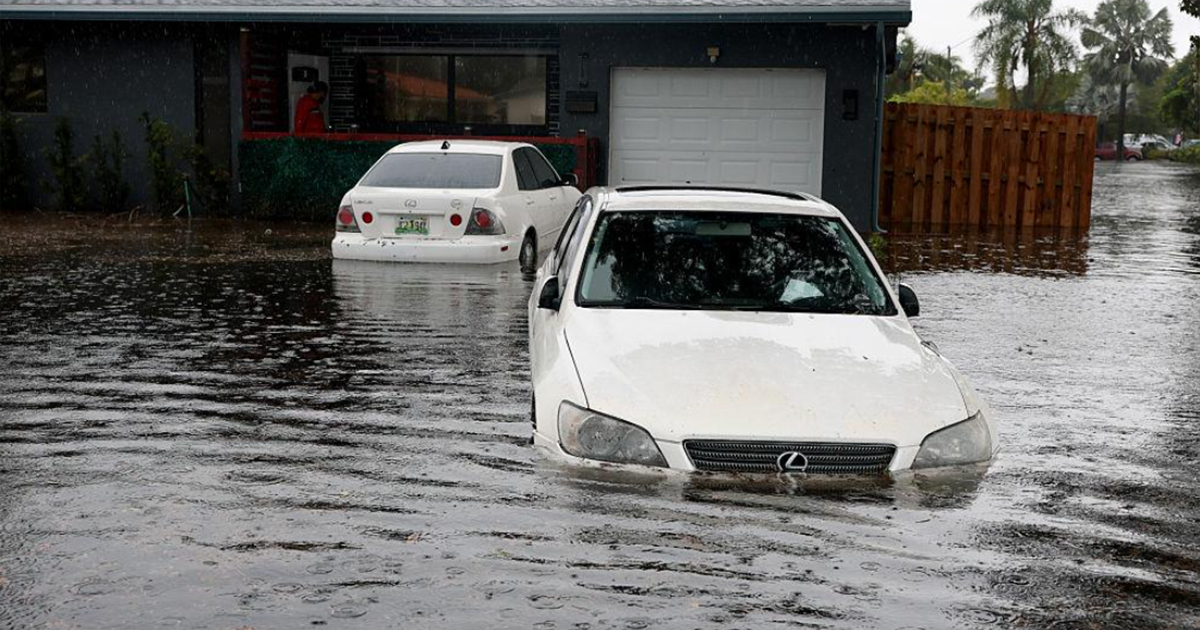
Swept Florida floods Large areas of the Atlantic coast of the southern United States, after parts of Broward County recorded rainfall amounting to 39 centimeters in 24 hoursUntil last Wednesday, November 18, 2026, which led to the flooding of streets and homes, the closure of highways, and the damage to service facilities, amid the declaration of local states of emergency.
The damage extended to the collapse of the roof of a synagogue and damage to parts of a hospital, while decisions were announced to close schools in Broward and Miami-Dade counties on Thursday, with warnings of continued rain and the possibility of additional amounts of up to 30 centimeters falling until Friday.
These developments come after severe rain waves that the region witnessed during the past weeks, raising questions about the recurrence of floods and the extent of cities’ preparedness to confront them, especially since these disasters have a different impact on the population.
Florida floods reveal the extent of the damage
Is the ability of cities to cope with disasters measured by the amount of rain they can receive? Of course not, but rather the amount of human and material losses that you can avoid. This confirms its importance Target 11.5 of Goal 11 of the Sustainable Development Goals on creating sustainable cities and communities, which calls for reducing the number of people affected and losses resulting from disasters, while paying attention to the most vulnerable groups.
In Florida, recent rains revealed the amount of pressure that facilities and roads can be exposed to within a few hours. Parts of the Florida Turnpike and Interstate 95 highways in the city of Hollywood were flooded, prompting authorities to close some parts of the roads due to rising water and vehicle breakdown.

The rain also caused the roof of Temple Sinai in Hollywood to collapse, damaged the roof of a hospital and flooded its corridors, but no injuries were reported resulting from these incidents.
In the city of Fort Lauderdale, meteorology was recorded 14.5 A centimeter of rain during a period that ended Wednesday morning, exceeding the previous daily record of about 4.5 centimeters, registered in 1959.
Emergencies disrupt schools and movement
Broward County and the cities of Fort Lauderdale and Hollywood have declared states of local emergency, while Hollywood Mayor Josh Levy called on residents to avoid unnecessary driving and transportation as water levels continue to rise.
Hollywood city authorities announced receiving more than… 300 Report and request for assistance during the night hours, amid complaints of water entering homes, and the problem worsening in some streets as a result of vehicle movement amid floodwaters, precautionary measures were extended to the education sector, with the announcement of the closure of schools in Broward and Miami-Dade on Thursday, November 19.
Why do floods occur frequently in Florida?
The recent rains come as part of a series of waves of rain. Parts of the region experienced heavy rainfall less than three weeks ago, leaving some lands waterlogged and making it difficult to absorb new amounts of rain.
These scenes bring to mind the floods of April 2023, when Fort Lauderdale recorded more than… 63.5 centimeters of rain in 24 hoursIn one of the heaviest precipitation events the region has ever witnessed.
The recurrence of these phenomena is linked to multiple weather and climatic factors. Meteorologist Alejandra Garcia, from… US National Weather Service (NWS), that phenomenon El Niño (El Niño) It contributed to directing low pressure systems towards the southeastern United States, enhancing the chances of heavy rain during what is usually a drier season.
On the other hand, researcher Smitha Rao explains, in a published analysis, that rising atmospheric temperatures increase its ability to retain water vapor, which may lead to heavier rains.
Who is most at risk from floods?
Not all residents face it Florida floods equally dangerous; In addition to the location of the house and its height above the level of the surrounding areas, economic, health, and social conditions affect the ability of individuals to protect themselves and recover from damage.
Smitha Rao, an associate professor of social work at Ohio State University, points out that residents of low-income areas, low-wage workers, and the elderly are among the groups that may face greater risks.

Low-income families may lack the resources to protect homes or afford repairs, while older people may face difficulties in rapid evacuation, especially when there are health needs or limited mobility.
The risks increase when people live alone or lack support networks to help them receive warnings and reach safe places.
The housing crisis weakens disaster preparedness
Residential conditions add another dimension to flood risk; Tenants, especially those with limited incomes, may not have the authority to modify properties or improve protections, while families behind in rent or housing and utility payments face financial pressures that reduce their ability to prepare for emergencies.
In an American study published in 2023 entitled: Social and structural vulnerabilities and their relationship to disaster preparedness, based on data 29,070 Residential unit, 57% of the population studied reported They are not prepared for disasters in terms of providing food, water, emergency funds, and means of transportation.

The study showed that families facing residential instability were less prepared than others, even when compared to families with similar levels of income and education. These are results at the US level, not a census specific to those affected by the current Florida floods.
These results are inseparable from Target 1.5 of the first Sustainable Development Goal to eradicate poverty; It calls for strengthening the ability of the poor and the most vulnerable groups to withstand extreme climate events and economic, social and environmental disasters.
Thus, flood protection also becomes linked to providing safe housing and living stability, and not only to improving the ability of drainage networks to absorb water.
How do cities protect their residents from future floods?
Confronting recurring floods requires measures that go beyond post-disaster response, including developing rainwater drainage networks, improving protection against inundation, strengthening electricity networks, and providing safe and affordable housing.
Protecting the areas most at risk also requires reviewing urban planning, identifying locations where floods occur frequently, while providing early warning systems and evacuation plans that take into account the needs of the elderly and families with limited resources.

Researcher Smitha Rao stresses the importance of involving residents themselves in preparing emergency plans, ensuring that the procedures reflect their actual conditions and their ability to move and obtain assistance.
Effective preparation begins before the rain warning is issued, by identifying groups that may be unable to respond to it, and providing the necessary resources and support to protect them.
This is the essence Target 13.1 of SDG 13 on climate action, which calls for strengthening resilience and adaptation to climate-related hazards and natural disasters; The success of cities is not measured by preventing all floods, but rather by their ability to reduce their damage and protect residents.
From this standpoint, she confirms: The Earth Guards Foundation The importance of combining investment in infrastructure, enhancing social protection, and involving local communities in planning to confront climate risks.
And she explains Florida floods Record rains reveal intertwined challenges related to housing, services, and disparate resources, which makes protecting the most vulnerable groups and enhancing their ability to confront disasters a key priority in preparedness and adaptation plans.


