

Does investing in gold achieve the Sustainable Development Goals (SDGs)?
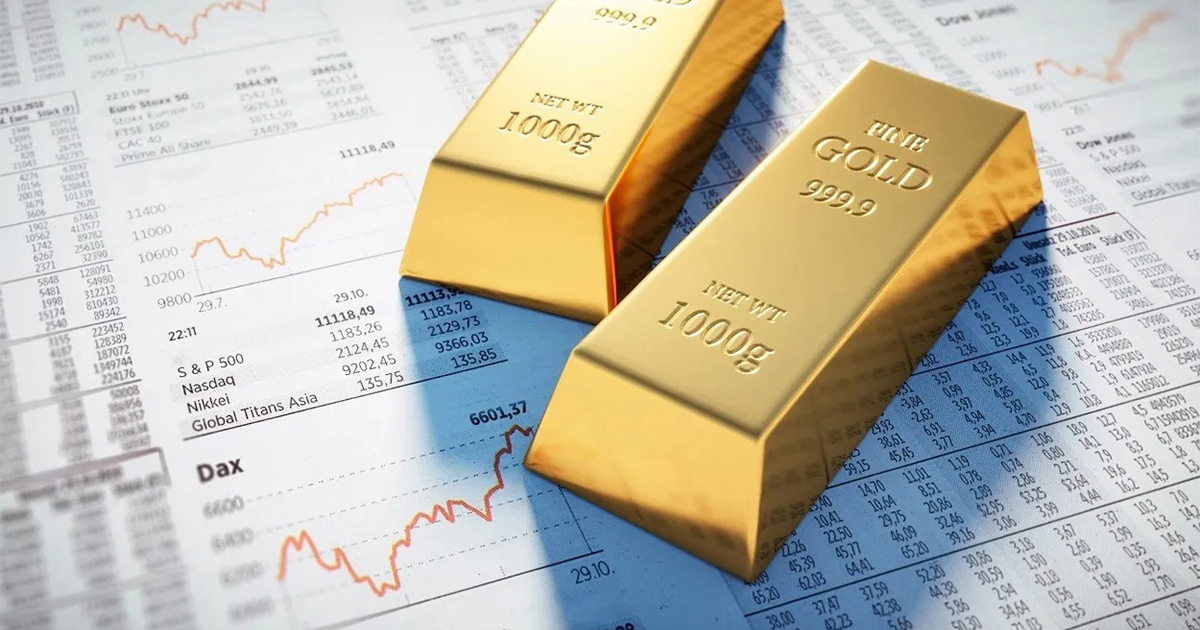

Does investing in gold achieve the Sustainable Development Goals (SDGs)?
Investing in gold is gaining increasing importance with the intensification of turmoil in the global economic scene and the growing hotspots of geopolitical tension in the Middle East region, which prompts investors around the world to search for financial instruments capable of protecting their wealth from sharp market fluctuations.
Therefore, investing in gold is seen as one of the most important market assets that individuals and institutions resort to in times of economic uncertainty. Because throughout its history, gold has been a store of value and a safe haven that investors go to when financial crises intensify or geopolitical turmoil rages.
This role intersects with the path of achieving the Sustainable Development Goals (SDGs) that seek to enhance economic stability and build financial systems capable of withstanding crises, especially the eighth goal related to economic growth and decent work, and the sixteenth goal related to building strong institutions.
With the continuing political tensions and conflicts in the Middle East, global markets are moving towards safe assets, which strengthens the position of gold as an important economic tool in protecting wealth and achieving a degree of financial stability in the long term. This is what we highlight in the following lines. So keep reading.
Why invest in gold?
Recent decades have witnessed a clear increase in global demand for gold, especially in times of economic crises. Economic history shows that gold tends to rise when financial markets are exposed to severe turmoil.
The most prominent example of this isThe global financial crisisin 2008, in which the price of an ounce of gold (a unit of measurement for precious metals, equivalent to more than 31 grams) rose to more than $1,023 in March of that year, before continuing its rise to reach $1,913.50 per ounce in August 2011, which is The highest historical level recorded up to that time!
Also,World Gold Council dataindicates that the total global supply of gold in 2025 reached about 5 thousand tons, an increase of 1% over the previous year – due to the rise in metal production and recycling – while the total global demand in the same year reached more than 5 thousand tons as well; This clearly reveals the size of the gold market, and the extent of the diversity of its consumers between investment, jewelry, and the needs of industry and central banks.

Forms of investing in gold
Methods of investing in gold vary between traditional forms and modern financial means, and the most common of these methods – historically – is buying physical gold, such as:
- Alloys
- Coins
- Jewellery
Alloys are available in different weights, starting from 10 grams and 100 grams, up to bullions weighing 1 kilogram or more. There are also standard bullion bars in global markets weighing up to 12 kilograms. In modern financial markets, investment tools have emerged, such as gold exchange-traded funds, which simulate the movement of gold prices in global markets without actually owning it.
Then electronic trading operations have recently spread through international brokerage companies, through which investors can buy and sell gold contracts using financial leverage. That is, if an investor has $1,000 – for example – he can trade with an amount of up to $100,000 using the margin system (the margin system is a mechanism that allows the investor to borrow an amount larger than his actual capital to trade in the financial markets); Then his profits double if the deal succeeds.

Control the gold market
On the other hand, the price of gold in global markets is determined according to a group of economic variables, the most important of which are:
Inflation
Because of inflation, investors turn to gold; In order to hedge against the erosion of the value of currencies, the higher the inflation rates, the lower the purchasing power of money; Which increases the demand for gold. An example of this is the high inflation rate that the United States witnessed – between 1973 and 1980 – between 6% and more than 13% annually. Which pushed the price of gold from about $70 per ounce to $850!
Interest rates
There are also interest rates, which push investors to buy bonds and other financial assets, while their decline causes an increase in demand for gold, as happened after the global financial crisis in 2008, as well as during the Corona pandemic in 2020.
Investing in gold and sustainable development
Investing in gold reflects an important role in supporting the seventeen Sustainable Development Goals (SDGs). Because the stability of financial markets and the protection of assets from economic risks; They promote sustainable economic growth, which is the core of Goal 8 of the Sustainable Development Goals (SDGs) related to economic growth and decent work. Because when investors choose gold as a safe haven, they contribute to reducing extreme fluctuations in capital.
In addition to the above, investing in gold provides opportunities to enhanceFinancial sustainabilityfor families and institutions; It acts as a safety net against inflation, rising interest rates, and market fluctuations, and enables individuals to manage their wealth in a way that ensures their continued economic activity without emergency financial pressures.
So, it is clear to us that investing in gold is an important tributary of achieving the goals of sustainable development on the social and economic levels. Therefore,The The Earth Guards Foundationconfirms that investing in gold is – in short – an investment in sustainable stability; In order to ensure continued economic growth and enhance institutional capacity to face future challenges with confidence and stability.


