

The rate of deforestation is increasing under pressure from meat production and agriculture. Brazil is in the lead
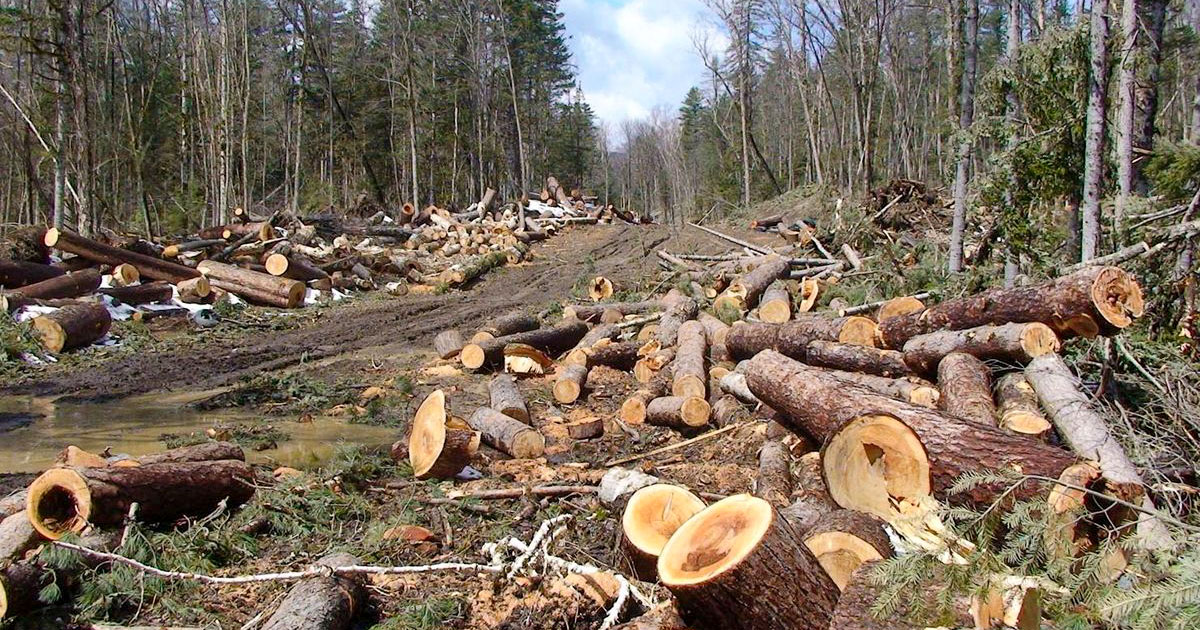

The rate of deforestation is increasing under the pressure of meat production and agriculture.. Brazil is in the lead
The pace ofdeforestation has increased globally with the expansion of agricultural activities to meet the growing demand for food, in light of mounting population and economic pressures. This transformation comes in an international context that is witnessing a change in consumption patterns, especially with the rise in demand for animal products in major markets.
In this context, recent data reveal that beef production represents the most prominent factor in this phenomenon, highlighting a complex interrelationship between food, the environment, and the economy. These data open the way for a deeper understanding of the paths of agricultural expansion and its repercussions. So that the thirteenth goal of the Sustainable Development Goals (SDGs): climate action, and the fifteenth goal: life on land can be achieved.
Deforestation and food supply chains
It is estimated that beef production is responsible for about 40% ofdeforestationassociated with agricultural activities, which reflects the magnitude of the impact that food supply chains have on natural resources. Brazil leads the global scene, contributing about 32% of the total areas converted from forests to agricultural lands over the past two decades, based on its role as a major exporter of meat and soy.
This expansion reflects a direct response to growing international demand, making consumer markets part of the equation for pressure on forests. This interconnection also reveals an economic pattern that reshapes land use according to the requirements of the global market, as forests are transformed into productive assets within an integrated commercial system. This land use shift extends to direct environmental impacts, as it goes beyond the economic dimension to pose challenges related to emissions and the balance of ecosystems.

Increasing environmental pressure and carbon emissions
The impact ofdeforestation extends beyond the loss of vegetation, to include wide-ranging environmental repercussions. Nearly 288 million acres of forest were lost between 2001 and 2022, resulting in emissions estimated at 41.2 gigatonnes of carbon dioxide equivalent. Although this percentage represents only approximately 5% of total global emissions, it reflects an influential role in accelerating the pace of climate change.
Crops such as palm oil and soy are among the list of contributing factors, as a result of the expansion of their cultivation at the expense of forests to meet global industrial and food demand, whether in the production of oils or animal feed. On the other hand, meat production – especially beef – is associated with a greater impact, due to its dependence on large areas of land for grazing, in addition to the need to intensively grow fodder crops, which doubles the pressure on forests from two parallel paths. This reality reveals the need to explore more efficient production methods to meet food demand without increasing pressure on forests.
Between food security and production efficiency
The balance between meeting food demand and reducing deforestation represents a pivotal challenge in the development process. Data indicate that staple crops such as corn and rice together contribute about 11% of agricultural deforestation, an impact that exceeds some export crops in terms of geographic spread.
This indicates that pressures are also linked to local nutritional needs. Here the role of innovation is highlighted in improving the productivity of agricultural lands without the need for horizontal expansion, through modern technologies and more efficient management of resources. These approaches make it clear that reducing pressure on forests requires thinking about distributing responsibilities among all concerned parties, which paves the way for talking about the role of producers and consumers in shaping this equation.

Shared responsibility between producers and consumers
The responsibility for deforestation is divided between producing and consuming countries, as the expansion is not limited to international trade, but also extends to domestic demand for food and agriculture within producing countries. Data from countries such as Indonesia, China and the Democratic Republic of the Congo show that local production significantly contributes to pressure on forests.
This indicates the importance of developing governance frameworks capable of regulating supply chains and enhancing transparency in land use. It also highlights the role of public policies in directing production towards more sustainable practices, ensuring that institutions are able to manage resources efficiently and confront increasing pressures on forests.
In light of these data, it is clear that the issue of deforestation has become a direct reflection of the nature of the global food system and the consumption patterns that govern it. Expanding meat and crop production is not just about meeting food demand, but reflects a broad economic model that is reshaping land use across the planet, as forests gradually transform from vital ecosystems into productive resources within global agricultural supply chains.
ThereforeThe Earth Guards Foundation highlights the promotion of land use efficiency, supporting the shift towards sustainable agricultural practices, while developing governance frameworks that ensure more balanced management of resources. It is expected that these paths will contribute to achieving integrated economic and environmental stability, keeping pace with global challenges, and laying the foundation for more sustainable growth in the next stage, in accordance with the Sustainable Development Goals (SDGs) related to food security, responsible consumption and production, climate action, and life on Earth.


