

Within the sustainable digital transformation.. Egypt’s digital platform allows general power of attorney in cases remotely

Within the sustainable digital transformation.. Egypt’s digital platform allows general power of attorney in cases remotely
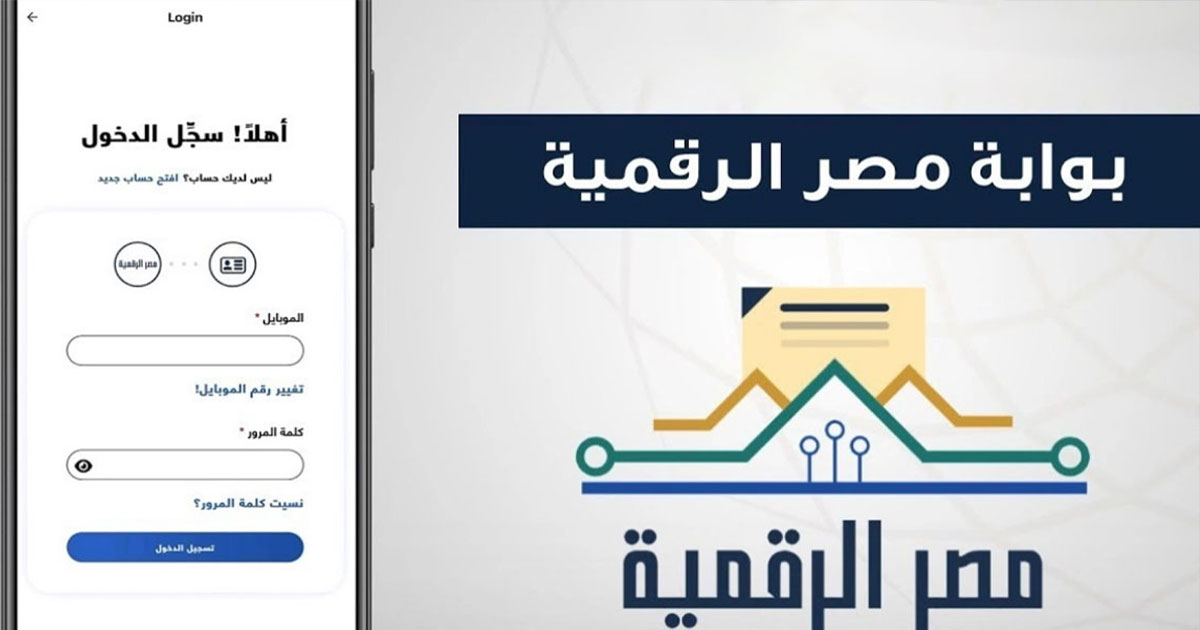
In a new step to support the path of just digital transformation called for by Goal 16: Peace, justice, strong institutions, and facilitating citizens’ access to government services; The Ministries of Justice, Communications, and Information Technology launched the service of issuing “general power of attorney in remote cases” via Egypt Digital Platform; This allows citizens to complete the procedures for issuing the power of attorney electronically without the need to go to notarization offices, provided that the document is delivered to the beneficiary via the Egyptian Post.
The new service – in order to achieve Goal 9: Industry, Innovation and Infrastructure – depends on the application of digital identity To verify the citizen’s identity, eligibility, and will, in addition to using the approved electronic signature to complete the transaction, according to a system of controls aimed at protecting the confidentiality of data and applying cybersecurity standards, ensuring that procedures are completed in a more easy and flexible manner, saving time and effort, and enhancing confidence in digital government transactions.

This step comes in response to the expansion in the field of digital transformation and its applications, most notably the official public agencies in cases, the average of which transactions are carried out about 18 thousand transactions per day in notarization offices and outlets, which reflects the importance of providing alternative digital channels capable of accommodating the needs of citizens and relieving pressure on service delivery outlets.
Steps for issuing a power of attorney
Benefiting from the service begins with the beneficiary logging in to the official website of the Egypt Digital Platform, choosing the service “Issuing a general power of attorney in cases remotely,” then entering the transaction data, and paying the prescribed fees using one of the available payment methods.

After that, the beneficiary citizen moves from the platform to the digital identity application to complete the procedures for verifying eligibility and will, using artificial intelligence techniques, where the face is matched with the biometric fingerprint registered in the Egyptian state’s databases.
When the verification is passed, the power of attorney is issued electronically, along with an instant certificate for remote electronic signature, allocated to one transaction. After completing the electronic signature, the citizen specifies the address for receiving the power of attorney and the data. delivery; So that the issued document can be sent to the mailing address chosen by the citizen, without the need to visit offices or notarization outlets at any stage of obtaining the service.

Electronic signature is a sustainable step
The use of remote electronic signature technology represents a development in the digital structure of government services. The Information Technology Industry Development Authority has established a secure electronic signature system in accordance with international standards, linking the systems of licensed parties to the system, allowing the issuance of electronic signature certificates remotely when there is a need to sign digital documents and transactions. This achieves Goal 16: Peace, Justice and Strong Institutions, which relates to establishing effective, accountable and transparent institutions at all levels.
Then this technology provides an advanced alternative to traditional means of signing, which rely on physical devices, such as smart cards and built-in encryption units. This opens the way for more electronic transactions to be completed, while maintaining identity verification and document integrity requirements.
The availability of the service through the Digital Egypt platform reflects a trend towards transferring government services from their traditional places of provision to digital channels that place the completion of the transaction in the hands of the citizen. Obtaining the power of attorney – after it was linked to moving to the notarization office itself – has become easy and accessible through electronic procedures that end with the arrival of the official document at the door of the house.
In light of this, The Earth Guards Foundation believes that this transformation represents one of the fundamental dimensions for institutional sustainability; Because it links the efficiency of government performance to rationalizing time and resources, reducing reliance on paper procedures, expanding access to services, as well as reducing operational burdens on the outlets providing them.
Therefore, the expansion of Egypt’s digital platform services could constitute – directly and indirectly – a lever for achieving the seventeen sustainable development goals, especially the ninth goal related to building an infrastructure capable of supporting innovation, and the sixteenth goal concerned with developing effective institutions and enhancing access to justice.
This is because the sustainable digital state employs technology to rebuild the relationship between the institution and the citizen on the foundations of efficiency, transparency, security, and equal opportunities. So that technological development becomes a reflection of a tangible improvement in the quality of life, and an enhancement of the ability of institutions to respond to needs Current and future society.


