

Canada’s climate plan to reduce carbon emissions faces pressure from the oil sector
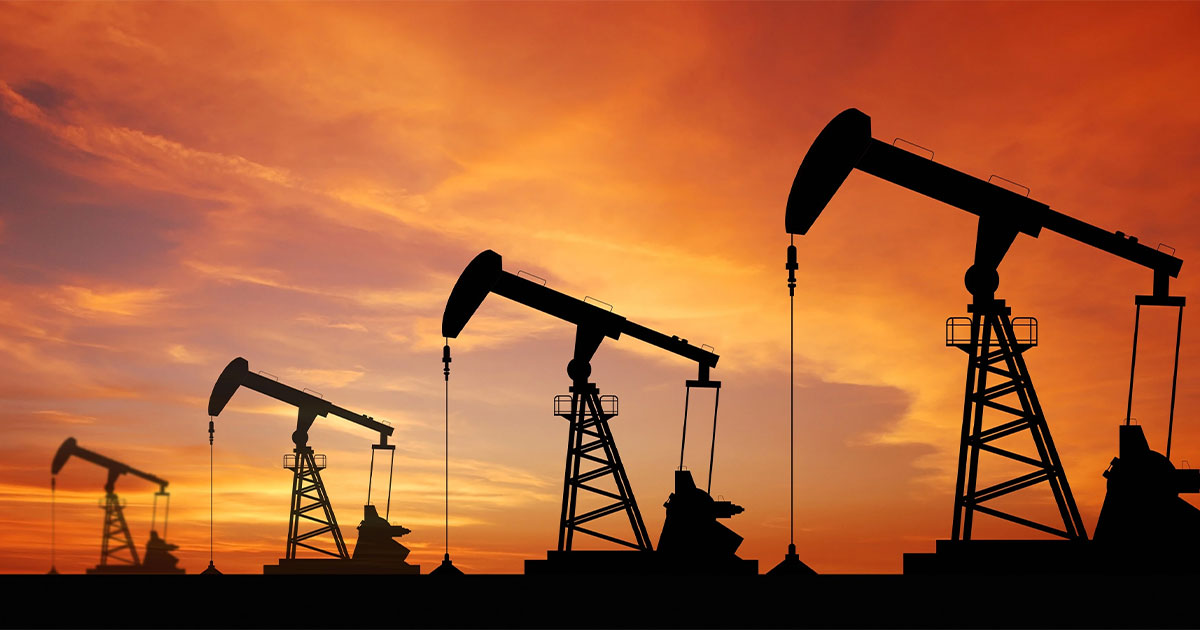

Canada’s climate plan to reduce carbon emissions faces pressure from the oil sector
Plans to reducecarbon emissionsin Canada face a new challenge with mounting economic pressures and rising global oil prices. As the Canadian government seeks to strengthen emission reduction policies through tools such as carbon pricing on heavy industry, controversy is growing over the extent to which these policies can continue in light of the transformations in global energy markets.
These discussions come in a complex economic context, as the oil and gas sector represents one of the main pillars of the Canadian economy. In light of the rise in global demand for energy, the government finds itself facing a delicate equation: achieving a balance between climate commitments and economic growth plans. In pursuit of achieving the seventh goal: clean and affordable energy.
Carbon pricing is the focus of Canada’s climate plan
The Canadian government relies on the carbon pricing system – which places a financial cost on carbon dioxide emissions produced by companies or industries – as a main tool for reducing carbon emissions resulting from industrial sectors, especially the oil and gas sector, which is one of the largest sources of emissions in the country. This system aims to motivate companies to reduce their emissions by raising the economic costs of the most polluting activities.
However, negotiations between the federal government and the province of Alberta, which includes the largest oil sands projects in the country, face major complications. Oil companies believe that increasing the cost of carbon may affect their competitiveness in global markets, especially in light of the difference in climate policies between energy-producing countries.

The oil sector is pressing to ease climate restrictions
With rising oil prices and increasing global energy demand, a number of Canadian oil sector leaders are calling for more flexible policies that allow increased production without imposing significant additional costs on carbon emissions. Companies believe that tightening carbon policies may weaken the competitiveness of Canadian industry vis-à-vis other producers who do not implement similar environmental policies.
Some estimates indicate that a limited percentage of countries around the world impose carbon pricing on heavy industries, which raises concerns within the Canadian energy sector that the high cost of carbon will lead to a decline in investments or their movement to other areas that are less stringent in environmental policies.
In this context, energy companies have begun to search for technical solutions that allow reducing emissions without reducing production, which highlights the role of carbon capture technologies as one of the options offered.
Carbon capture is a technical solution to reduce carbon emissions
In light of this controversy, Canadian oil companies are turning to investing incarbon capture and storage technologiesas one of the possible solutions to reduce carbon emissions without reducing production. This technology is one of the most prominent tools that can help the energy sector adapt to the requirements of climate policies.
Among the proposed projects is a huge carbon capture project planned by major oil sands companies, which aims to collect emissions resulting from production operations and store them underground. However, implementing such projects requires huge investments and coordination between the government and companies, which makes their future linked to the results of the ongoing negotiations on carbon policies.
Global energy markets are reshaping the climate debate
These developments coincide with major shifts in global energy markets, as geopolitical crises and rising oil prices have led to increased demand for energy supplies from producing countries. This has contributed to re-posing questions about how to reconcile the need for energy with the requirements of reducing carbon emissions.
In this context, the debate on climate policies has become more complex, as governments attempt to maintain their environmental commitments while ensuring continued economic growth and the stability of the energy sector. This delicate balance reflects the challenge facing many energy-producing countries in the transition towards a sustainable, low-carbon economy.
In conclusion, the Canadian experience reflects the challenges facing countries whose economies depend on energy production in light of global climate shifts. As demand for oil and gas continues, reducing carbon emissions becomes a goal that requires solutions that combine technological innovation and balanced economic policies.

The Earth Guards Foundation believes that achieving this balance represents an important step towards building a more sustainable energy sector, as clean technologies and developing flexible policies can help reduce emissions while maintaining economic stability and supporting the gradual transition towards low-carbon energy systems, which contributes to achieving Goal 7 on providing clean and affordable energy, and Goal 13 on work. Climate change, in addition to Goal 9, which focuses on innovation and development of sustainable industrial infrastructure.


