

Water security faces increasing challenges: Is the world approaching the stage of water bankruptcy?

Water security faces increasing challenges: Is the world approaching the stage of water bankruptcy?
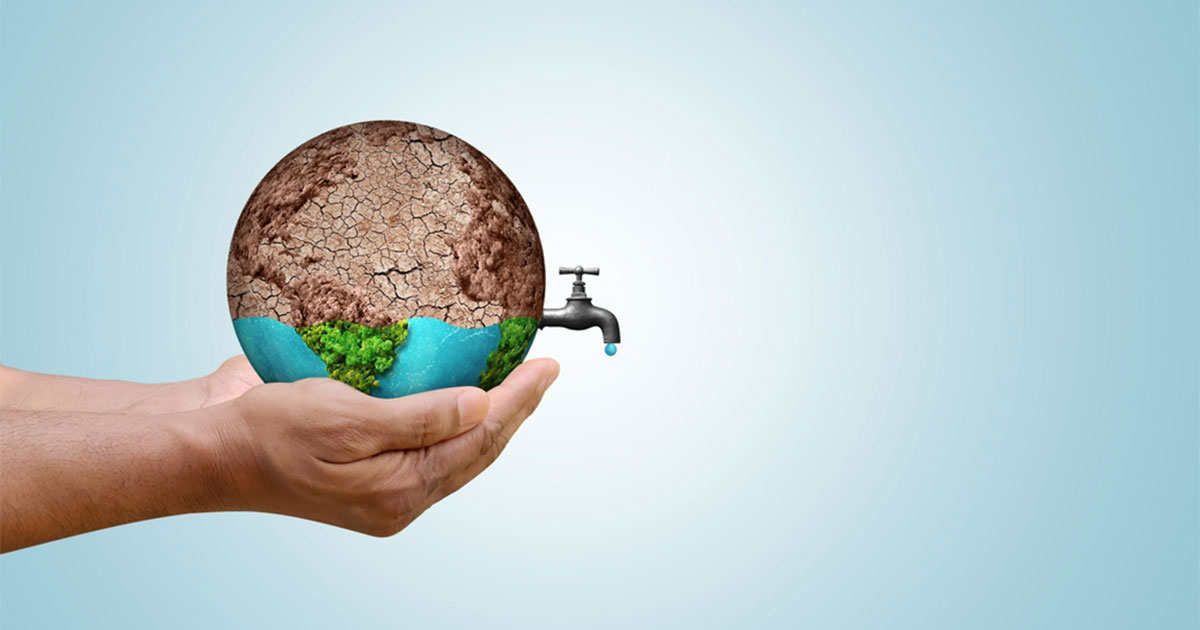
International warnings are mounting regarding the future of water security globally, in light of increasing indications that water resources are exposed to unprecedented pressures. Recent UN reports have warned of the possibility of reaching what is known as “water bankruptcy,” referring to the inability of some countries to meet their basic water needs in a sustainable manner. This comes at a time when several factors intersect, including climate change, increasing demand for water, and deteriorating ecosystems, which enhances the complexity of the crisis and places it at the forefront of global challenges.
In this context, the water issue has transformed from being merely an environmental issue, to an issue linked to food security and economic and social stability, which reflects the widening circle of influence that affects various vital sectors. This article addresses the increasing pressures on water resources, the impact of global tensions on water infrastructure, in addition to the social dimensions of the crisis, leading to the importance of developing more efficient water governance to confront these growing challenges.
Increasing pressures threaten water resources
The challenges facing water security are increasing as a result of a group of intersecting factors, most notably climate change that leads to frequent droughts and floods, in addition to pollution and mismanagement of resources. Environmental reports also indicate the deterioration of water-related ecosystems, especially wetlands, which are areas where water accumulates permanently or temporarily and which play a pivotal role in maintaining environmental balance, which negatively reflects on achieving the fifteenth goal of the Sustainable Development Goals (SDGs) on life on land, given the role of ecosystems such as wetlands in preserving Biodiversity and the sustainability of water resources.
The world has witnessed a significant decline in these systems over the past decades, which has been reflected in Biodiversity and nature’s ability to purify water and regulate its flow. As these pressures continue, water resources become more vulnerable to depletion, which increases the vulnerability of many countries in the face of crises. As these environmental challenges escalate, water becomes increasingly important as a strategic element in the context of global tensions.

Water at the heart of global tensions
In parallel, the importance of water security as a strategic factor is increasing in light of geopolitical tensions, as fears arise of targeting infrastructure related to water and energy in conflict areas. These concerns have prompted international calls to avoid targeting these facilities, given the wide humanitarian and economic repercussions that this could have.
The impact of these tensions extends to the global economy, especially with water being linked to vital sectors such as agriculture and industry. Disruption of water supplies may also lead to disruptions in production chains, which reinforces the importance of protecting these resources in times of crisis. As the scope of these economic repercussions expands, the effects of the crisis extend to the social dimensions, as its repercussions appear more clearly on the most vulnerable groups.
Unbalanced social dimensions of the water crisis
The water security crisis reflects profound social dimensions, with some groups bearing a greater burden than others, especially women and girls in many societies. With a lack of access to clean water, these groups are forced to spend hours every day searching for water sources and transporting it over long distances, which consumes a large portion of time and effort. This reduces opportunities to enroll or continue in education, especially for girls, and limits the ability to engage in income-generating economic activities.
As these daily burdens become more frequent, opportunities to improve the living situation decline, which contributes to entrenching patterns of social and economic inequality within these societies. Limited access to water is also associated with increasing health challenges, especially in areas with weak infrastructure, where hygiene and public health problems are exacerbated.
This leads to deepening social and economic gaps, which is directly linked to the fifth goal of the Sustainable Development Goals (SDGs) on gender equality, as well as the tenth goal of reducing inequalities, in light of the unequal impact of the water crisis on women, girls and the most vulnerable groups.

From challenge to management: towards more efficient water governance
In light of these challenges, international efforts are moving towards strengthening water security management through developing regulatory frameworks and initiatives aimed at improving the efficiency of resource use. These efforts include developing new standards that help companies and institutions manage water-related risks, in addition to enhancing transparency in disclosing these risks.
This trend reflects a growing realization that the water crisis is not just a lack of resources, but is closely related to how they are managed. By adopting more integrated strategies, it is possible to reduce the effects of the crisis and improve the ability of societies to adapt to rapid changes, thus enhancing the achievement of the sixth goal of theSustainable Development Goals (SDGs) through sustainable water management, in addition to supporting the twelfth goal related to responsible consumption and production, by raising the efficiency of resource use and reducing waste..
In conclusion,,These developments highlight the importance of integrating water security into sustainable development strategies, as the availability of water is an essential factor to ensure the stability of societies and the continuity of economic activities. As challenges increase, it becomes necessary to strengthen international cooperation and adopt policies that support the rational use of water resources.
The Earth Guards Foundation believes that achieving sustainability requires an integrated approach that combines the protection of natural resources and the development of effective mechanisms for their management, in a way that supports the achievement of Sustainable Development Goals (SDGs), most notably the sixth goal on clean water, and the thirteenth goal related to climate action, which contributes to building a more balanced and stable future.


