

Egypt and Japan Partner to Develop Sustainable Fourth Metro Line
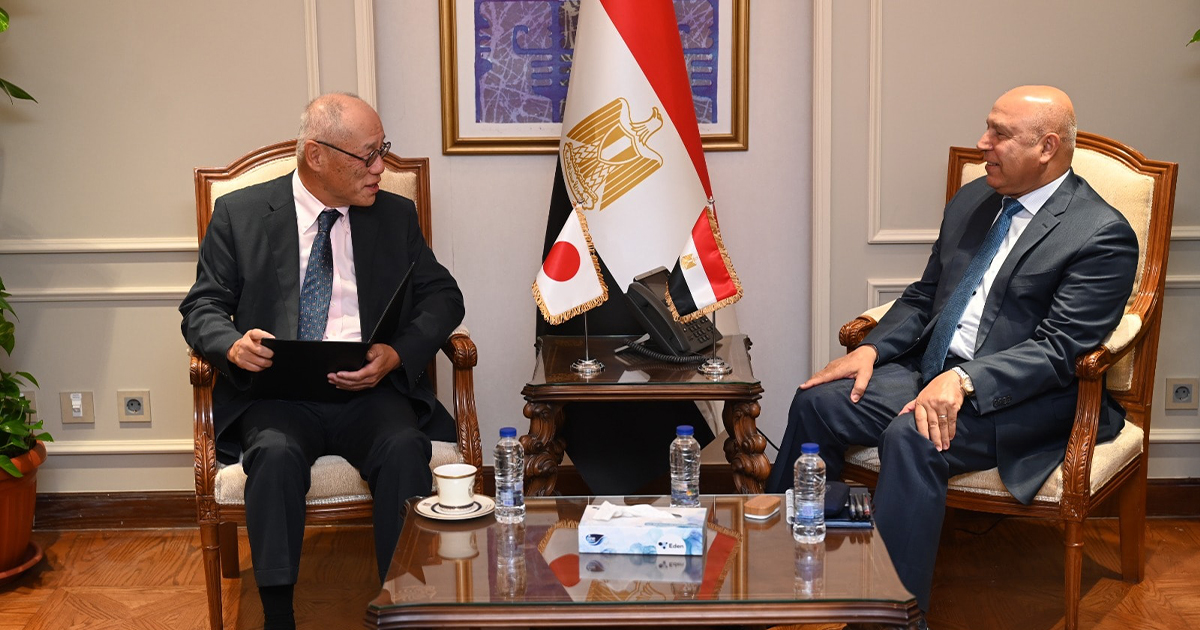
Egyptian-Japanese cooperation to develop the fourth line of the sustainable metro
Since man laid the first building blocks of urbanization, he has been concerned with survival by developing the physical environment in which he lives. Today – in a time when various global challenges are intertwined – the sustainability of infrastructure has become a moral covenant between man and his planet, and the most prominent example of this is sustainable transport projects, such as the fourth line of the subway in Egypt.
Therefore,The Earth Guards Foundationin this article highlights the importance of combining technology and means of transportation; Because this has a positive impact that improves the quality of life, supports the economy, and protects the environment, through examining the latest developments in the fourth line metro project in cooperation.between Egypt and Japan; So keep reading.
Cooperation promotes industrial development and smart transportation
To achieve this sustainable transformation, a meeting was held between Lieutenant General Kamel Al-Wazir (Deputy Prime Minister and Minister of Industry and Transport) and the Japanese Ambassador to Cairo, Fumio Iwai, where the two parties discussed extensive discussions about joint projects between the two countries in the sectors of transport and industry, with a focus on strengthening technical partnership and knowledge transfer.
Then the two parties discussed the existing cooperation in implementing the first phase of the4th metro line project, which is the phase that will extend from 6th of October City to Fustat, with a length of 19 kilometers and 17 stations. There, the Minister affirmed the strength of bilateral relations between Egypt and Japan, which went beyond the official aspect to include popular ties, praising the cooperation.The fruits that were clearly evident in the implementation of this first phase of the project.
The Japanese ambassador also expressed his optimism about the future of cooperation, pointing to the interest of Japanese companies in investing in Egypt thanks to the attractive investment environment, which supports sustainable development projects and the localization of industry, in order to achieve the goals of sustainable development.

What is the fourth line of the subway?
It is worth noting that a feasibility study is currently being prepared to implement the second phase of the fourth metro line, which is the phase that starts from Fustat, with a length of 31.8 kilometers, and includes 21 stations (6 overhead and 15 underpass).
The plan also includes studying the third phase from Hadayek Al Ashgar station to Al Hosary Square, with a length of 16.3 kilometers, then the fourth phase.From the complex transportation center to the capital’s airport, a length of 38.7 kilometers.
Thus, Egypt has taken a qualitative step on the path to sustainable urban development. This national project – and other Egyptian projects – seeks to reduce traffic congestion and improve mass transportation, with a focus on reducing carbon emissions causing air pollution, in line with Sustainable Development Goals (SDGs).
This development experience – Egypt’s experience with the fourth metro line – is a clear reflection of a national vision towards an advanced urban infrastructure that supports sustainable transportation and achieves a balance between economic development and environmental protection. The project is also part of an integrated plan and fruitful cooperation between Egypt and Japan in the fields of modern technology and infrastructure.

The role of technologyالحديثة
في مشروع الخط الرابع لمترو الأنفاق تؤدي التكنولوجيا المتقدمة دورًا محوريًّا، حيث يتم اعتماد أحدث أنظمة التحكم والمراقبة؛ In order to ensure safety and accuracy in operating operations. وتسهم هذه الأنظمة الذكية في تقليل الأعطال، وتحسين تجربة الركاب من خلال تقديم معلومات فورية عن مواعيد القطارات وكثافة الركاب؛ Which facilitates transportation and increases the satisfaction of Egyptians.
من المخطط له أيضًا، أنْ يعتمد الخط الرابع لمترو الأنفاق على حلول رقمية متكاملة تسمح بتحليل البيانات، وتخطيط الصيانة بشكل استباقي؛ This reduces operational costs and maintains high-quality service continuity.
Supporting urban development
أيضًا تتضمن خطة وزارة النقل توسيع شبكةالخط الرابع لمترو الأنفاق عبرThe third and fourth phases, which will serve important areas; Including: Al-Shajar Gardens, Al-Hosary Square, the Administrative Capital Airport, and connection to the light electric train. This is all in order to enhance integration between different means of transportation.
These expansions come within the framework of the government’s keenness to provide sustainable and rapid urban transportation solutions that meet the growing needs of residents of Greater Cairo and new cities, while reducing harmful emissions resulting from traffic congestion, and improving air quality for better health.
So, the project reflects a national vision for sustainable transport, a vision that focuses on humans as a main goal, and this vision also seeks to integrate the social, economic and environmental dimensions into a unified framework that works to achieve all Sustainable Development Goals (SDGs).

In this way, the future of transportation in Egypt is embodiedTo be a link between technological progress and social development; Which makes Egypt at the forefront of countries moving steadily towards sustainability.
Hence, this Egyptian-Japanese cooperation to develop the fourth metro line shows that the project is a strong addition to the efforts to develop transportation infrastructure in Egypt, and that it represents a strategic shift towards an integrated urban model that balances economic growth and reducing the carbon footprint.
Development efforts such as these, whichThe Earth Guards Foundationhave long called for, reflect a growing awareness of the importance of sustainability as a major axis in any future development. Therefore,The Foundation believes that the fourth metro line is an inspiring example of how to enhance development efforts through international partnerships, which support development goals.Sustainable fields in the fields of transport, environment and industry.


